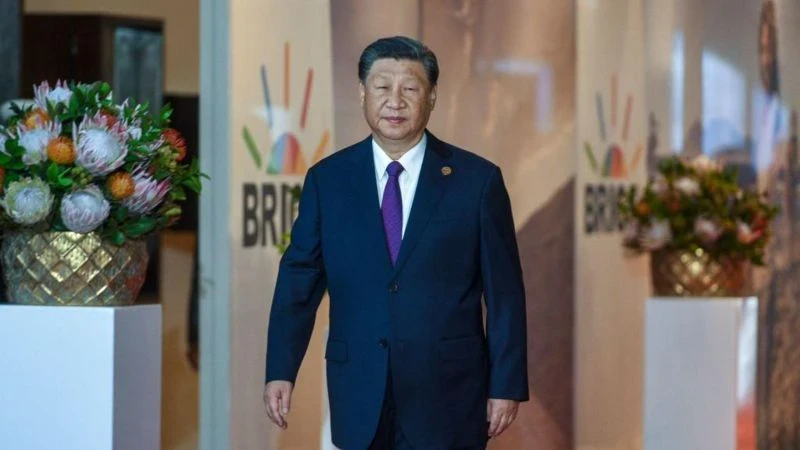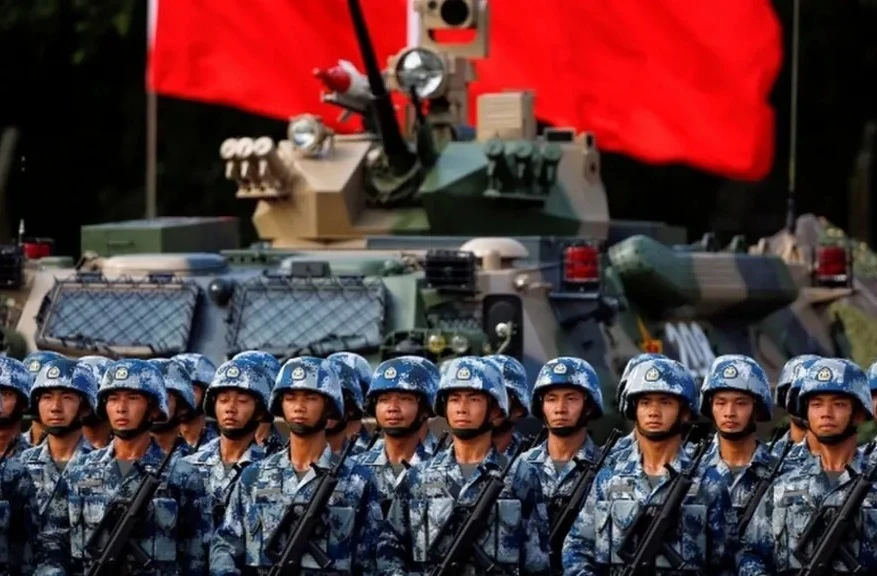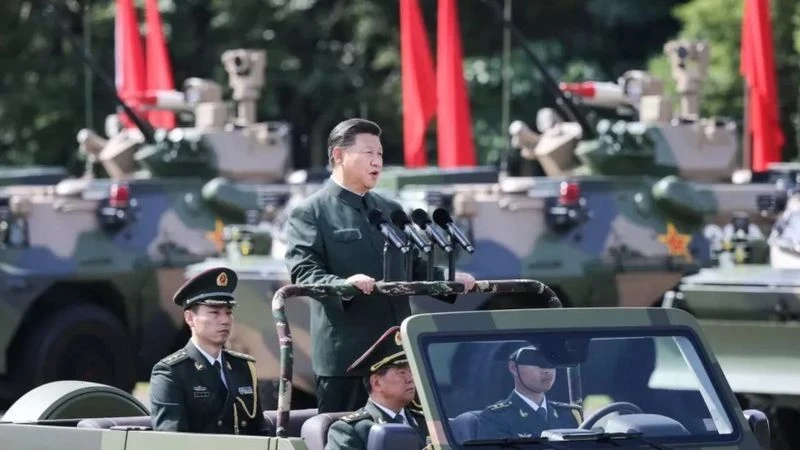
The campaign of purges in the country's armed forces, initiated by Xi Jinping, has become unprecedented. In its report, CNN notes that since 2022, 36 generals and lieutenant generals have already been dismissed, while 65 officers are missing or have been fired.
The large-scale purge is part of Xi Jinping's efforts to improve order in the Chinese army and strengthen his influence in the military sphere. However, as the authors of the report emphasize, such actions may lead to serious problems with the army's combat readiness.
The report released by the Center for Strategic and International Studies indicates that if we consider positions that have been purged more than once, this affects 52% of the 176 leadership positions in the People's Liberation Army of China (PLA).
“These figures are astonishing and speak to the scale of Xi Jinping's campaign, as well as the unprecedented turnover in PLA leadership,” noted M. Taylor Fravel, director of the Security Studies Program at the Massachusetts Institute of Technology and one of the report's authors.
Not just the top leadership
Since the beginning of his rule over ten years ago, Xi Jinping has been actively fighting corruption in the army. However, the recent purges have affected not only those close to him but also many other officers.
Official dismissal notices usually contain allegations of corruption or disciplinary violations; however, due to the secrecy of the People's Liberation Army of China, it is difficult to ascertain the true reasons for these actions.
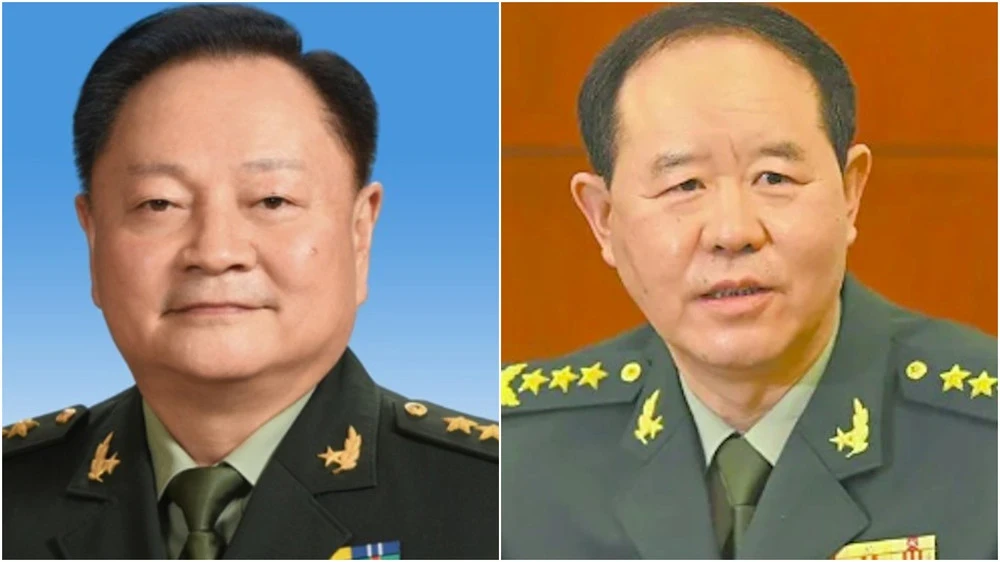
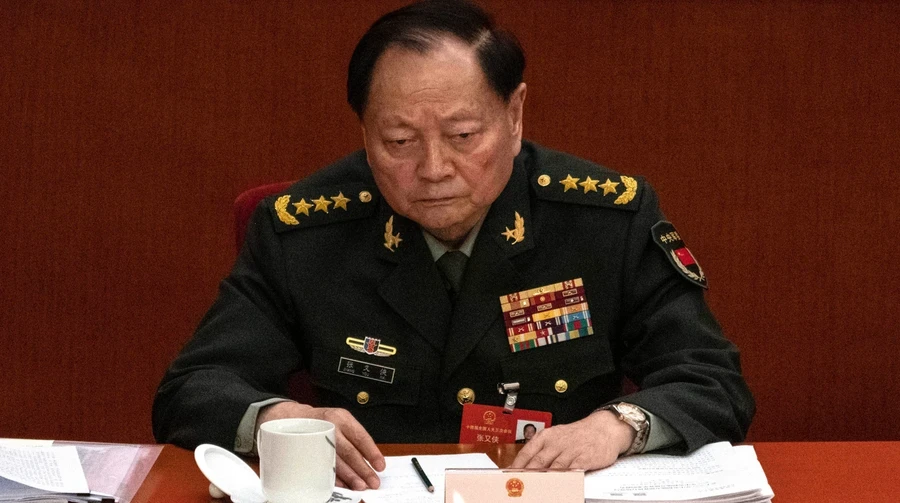
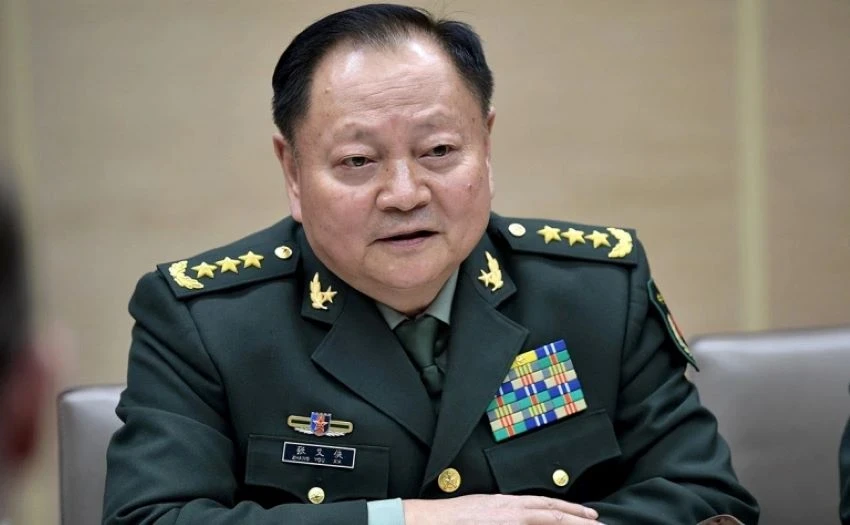
While media attention has focused on investigations into high-ranking generals such as Zhang Youxia and Liu Zhenli, the report notes that the purges also encompass lower-ranking officers, which may lead to a decrease in the command qualifications within the army.
These changes could significantly limit the PLA's capabilities in conducting military operations.
The lack of experienced officers is also evident in the appointment of theater commanders: after the dismissal of 56 deputy commanders, the number of candidates has decreased by more than a third.
Bonnie Lin, one of the report's authors, claims that the purges have already impacted the PLA's combat readiness.
According to her, PLA exercises around Taiwan in 2025 took longer than in 2024, indicating possible issues with operational readiness.
The Taiwan issue
The report raises serious questions about the PLA's ability to carry out complex operations, such as an invasion of Taiwan, in the coming years, especially considering the actions of the United States and Japan.
The Chinese Communist Party considers Taiwan its territory and does not rule out the possibility of using force to establish control over it.
“Xi Jinping's lack of trust in the army may give advantages to the U.S. and Taiwan in preventing an invasion,” stated John Calv, a senior fellow at the Brookings Institution.
Nevertheless, the authors of the study emphasize that the PLA remains a powerful force despite the purges.
Regarding Taiwan, as noted in the report, less complex operations, such as a blockade, can be carried out without significant effort.
“If Taiwan or the United States take military action, China will have many options for retaliation that do not require a high degree of coordination,” Calv noted.
“China is still capable of striking Taiwan, which could create problems for the U.S.,” added CSIS analyst Thomas Christensen.
However, Christensen warns Xi Jinping against reckless actions even in simple situations, as he may not receive honest advice from his subordinates.
Avoiding the mistakes of his predecessors, newly appointed leaders may hide problems from the top leadership, which could lead to an underestimation of the army's capabilities in crisis situations, the report states.
“This creates a risk of unrealistic confidence in the army's ability to accomplish tasks in the future,” concludes Christensen.
Nevertheless, experts believe that Xi Jinping considers the current time suitable for restoring order in the army, especially against the backdrop of disagreements between the U.S. and Taiwan.
While the purges raise many questions about the PLA's combat readiness in the short term, by the end of the decade, China's adversaries should be cautious, says author Joel Wuthnow, a senior fellow at the National Defense University.
By that time, newly appointed officers will have gained experience working with modern military equipment and will be able to interact with Xi Jinping, which may increase their confidence in successfully completing tasks, Wuthnow adds.