According to information from the BBC, India may become significantly slimmer in the near future — at least on a theoretical level.
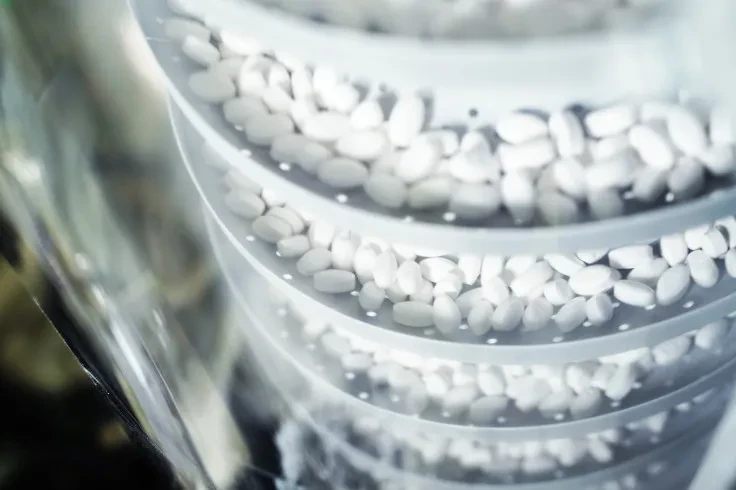
On Friday, the patent for semaglutide — a key molecule used in popular weight loss drugs Wegovy and Ozempic, produced by the Danish pharmaceutical company Novo Nordisk — expires in the country.
This opens up the possibility for local pharmaceutical companies to start producing more affordable generics, which, in turn, will increase competition in the market and could lead to price reductions of more than half. This will not only improve access to medications for the population in India but may also impact other countries.
The investment bank Jefferies characterized this event as a potential "magic pill moment" for India, predicting that the semaglutide market could reach $1 billion with the right pricing strategy and level of adoption.
Analysts expect that in the coming months, about 50 generics of semaglutide from various manufacturers will enter the market, which is typical for India's competitive pharmaceutical industry. For example, after the patent for the diabetes drug sitagliptin expired in 2022, around 30 new versions appeared on the market within a month, and by the end of the year, their number approached 100.
The Indian pharmaceutical industry is currently valued at approximately $60 billion and is expected to double by 2030. A significant portion of this sector is focused on the production of generics, creating competitive conditions for semaglutide. What was once an expensive injection available only to wealthy patients may soon become accessible to a wider audience.
Semaglutide medications, originally developed for diabetes treatment, are now viewed as revolutionary weight loss agents, providing results that surpass many previously used methods. These drugs belong to the class of GLP-1 receptor agonists, which work by mimicking a hormone that regulates appetite and blood sugar levels.
By enhancing insulin secretion and slowing down gastric emptying, such medications help patients feel full faster and stay in that state longer. Initially intended for diabetics, they have become some of the most popular weight loss medications in the world.
Some Indian pharmaceutical companies are already actively preparing to launch generics. According to Shital Sapale, vice president of the research company Pharmarack, major firms such as Cipla, Sun Pharma, Dr. Reddy’s Laboratories, Biocon, Natco, Zydus, and Mankind Pharma plan to launch their versions of the drugs, and many others are likely to join them. It is expected that the cost of the medications will significantly decrease.
Currently, the cost of a month's treatment is high: Ozempic ranges from 8,800 to 11,000 rupees (from $95 to $119), while Wegovy ranges from 10,000 to 16,000 rupees (from $108 to $173). Generics are expected to reduce these prices to 3,000–5,000 rupees (from $36 to $54) per month.
Price reductions could have a significant impact on the market.
According to Pharmarack, the Indian market for obesity medications, including injectable and oral agents, has significantly increased — from $16 million in 2021 to nearly $100 million. Demand surged after the market entry of Rybelsus in 2022, the first oral version of semaglutide.
This growth reflects broader changes in the healthcare system.
In India, over 77 million people suffer from type 2 diabetes, making it one of the largest populations in the world with excess weight. Urban life, high-carbohydrate diets, and sedentary lifestyles contribute to the prevalence of these diseases.
For doctors, more accessible GLP-1 inhibitors could become an important new tool in treating patients.
Weight loss medications impact not only endocrinology. Cardiologists use them to reduce patients' weight before procedures such as angioplasty, orthopedic surgeons use them to lessen joint strain before surgeries, and pulmonologists use them to treat conditions like obstructive sleep apnea.
Muffazal Lakdawala, a bariatric surgeon from Mumbai, emphasizes that these medications could significantly improve access to treatment for many people in India suffering from diabetes and obesity.
He notes that access to these medications has been limited: GLP-1 injectables have been expensive and hard to obtain, while the oral Rybelsus was the only available option.
“It’s wonderful that these medications will become more accessible, and more Indian patients with diabetes and obesity will be able to obtain them,” he says.
However, he warns: “The quality of the drugs produced here must be under strict control.”
This caution highlights the broader reality of the Indian pharmaceutical industry, which is a global leader in producing affordable generics.
India is the world's largest producer of generics, offering about 60,000 products in more than 60 therapeutic categories and accounting for approximately 20% of the global generic market.
Its reputation as the "pharmacy of the world" is based on its ability to turn expensive medications into accessible mass-market goods.
A vivid example of this occurred two decades ago when Indian companies significantly reduced prices for antiretroviral drugs for HIV treatment, greatly improving access to treatment in Africa and developing countries.
Currently, India supplies medicines to over 200 countries, meeting more than half of the demand for generics in Africa, about 40% of the generics used in the US, and roughly a quarter of the medicines in the UK.
“The export potential of Indian weight loss generics is enormous,” claims Namit Joshi, chairman of the Indian Pharmaceutical Export Promotion Council. “The US market alone could reach $10 billion in the coming years as the rise in obesity will drive demand.”
This would be a significant addition to India's pharmaceutical trade: currently, the export of generics from the country amounts to $30.46 billion, with the US already being the largest market.
However, caution remains among doctors.
GLP-1 inhibitors are potent but can have side effects. These include nausea, vomiting, and digestive issues; rarer consequences include gallstones and pancreatitis. Rapid weight loss without adequate protein intake and physical activity can also lead to muscle mass loss.
Doctors note that many patients misunderstand how these medications work. Some expect significant weight loss in just a few weeks, influenced by social media and celebrity endorsements.
Rahul Baxi, a diabetologist from Mumbai, emphasizes that success depends not only on the medication but also on “the right patient selection.”
Doctors consider not only the body mass index (BMI) — the ratio of weight to height — but also comorbidities such as diabetes or high cholesterol. Lifestyle also matters: if a patient continues to follow an unhealthy diet, medication alone may not be sufficient.
Patients often come asking for a quick fix. “People ask to lose 10 kg in three months,” says Baxi.
Rapid weight loss can have negative consequences. Too rapid weight loss can lead to fat loss in the face, neck, and arms, making patients look weak and emaciated.
“Gradual weight loss, slow dose escalation, and an emphasis on protein intake, physical activity, and strength training are key factors for improving health,” adds Baxi.
Another issue is that weight loss often proves temporary after stopping the medications. Appetite can spike dramatically as the body resists weight loss.
“If you stop taking the medication, the appetite returns with incredible force,” says Baxi.
There are also concerns about potential abuses due to price reductions.
Doctors report that some gym trainers, beauty salons, or unqualified dietitians prescribe high doses of medications to patients. Online pharmacies sometimes dispense medications after superficial consultations. Beauty salons are already offering weight loss packages for weddings or other events.
This behavior may become more common with increased availability of generics.
“Widespread access to cheap medications increases the risk of abuse,” believes Bhaumik Kamdar, a pulmonologist from Mumbai. “Availability requires greater responsibility and strict regulation. I am cautiously optimistic about these medications.”
These warnings resonate with Lakdawala's concerns about manufacturing standards.
“These are very useful medications,” he emphasizes. “We don’t want side effects from poor-quality drugs to tarnish the reputation of the molecule itself.”
The government is also seeking to monitor the situation. Last week, the Indian drug regulator warned pharmaceutical companies against direct advertising of prescription weight loss medications, such as GLP-1 drugs, to consumers.
Advertising that promises impressive results or downplays the need for diet and physical activity may be deemed misleading. Officials stress that such medications should only be used under medical supervision.
Thus, for regulators and medical professionals, the coming months may serve as a test of India's ability to find a balance between accessibility and control.
Baxi advises patients to improve their lifestyle and nutrition before prescribing weight loss medications.
Even then, he says, a high-protein diet developed by a dietitian is prescribed first. Existing data shows that medications may be needed for an extended period. However, many patients come asking for a “quick fix” after watching videos on Instagram, which adds additional pressure on doctors.
However, the potential benefits could be significant. A medication that once cost tens of thousands of rupees a month could become accessible to millions of people, possibly even beyond India.
“I am now prescribing to many patients: come to me after March 20, when prices will drop,” says Baxi.
The record "Cheap Indian Weight Loss Drugs Could Change the Global Fight Against Obesity" first appeared on K-News.