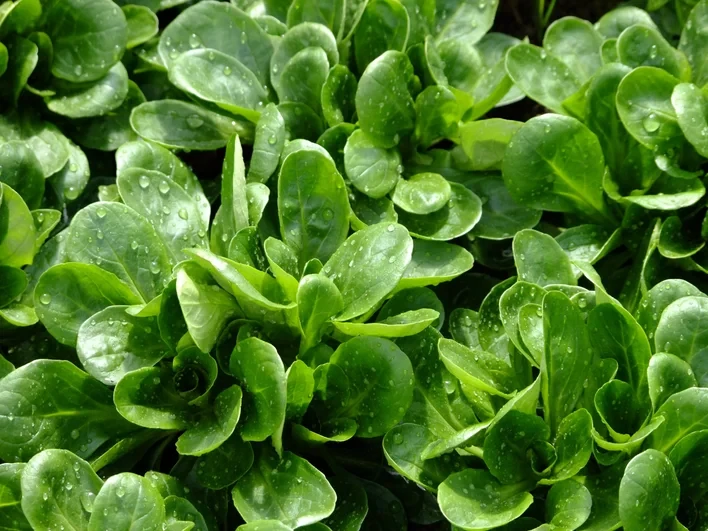
The CDC specialists shared their opinions on "superfoods," rating them on a scale from 10.47 to 100 points. The leader with a perfect score was watercress, while broccoli, popular among health enthusiasts, scored an average of 34.89 points, and tomatoes received only 20.37 points.
What makes watercress so special?
According to Scott Keatley, a registered dietitian and co-founder of Keatley Medical Nutrition Therapy, "watercress is a true source of vitamins, minerals, and antioxidants while being low in calories."
A 35 g serving of watercress provides 106% of the daily requirement for vitamin K, which is essential for bone health and blood clotting, 17% of vitamin C, which supports the immune system and skin health, and 6% of the daily requirement for vitamin A, important for vision and immune function. Additionally, this vegetable contains phytochemical compounds that may protect the body from various cancers, as well as antioxidants that support eye health.
However, other leafy greens also showed impressive results. Napa cabbage took second place with 91.99 points, while Swiss chard, a variety of beet, ranked third with 89.27 points. Keatley emphasizes that there is no need to choose just one of these vegetables: they all complement our diet with essential nutrients.
Napa cabbage is rich in vitamins C and K and provides about 8% of the daily requirement for folic acid, which is important for DNA repair and cell growth. Swiss chard also holds its own: a 35 g serving contains more than double the daily requirement for vitamin K and half of the daily requirement for vitamin A.
How can you include watercress in your diet? Dietitians recommend adding it to dishes three to four times a week. Its slightly peppery and fresh taste pairs well with apples and walnuts in salads, and it can also be used as a topping for soups and sandwiches or as a side dish with olive oil and lemon juice.
Keatley also advises alternating watercress with Swiss chard for magnesium, kale for calcium, and spinach for iron to ensure you get all the necessary nutrients. It is important to remember that due to its high vitamin K content, watercress can interact with anticoagulants like warfarin, so individuals taking such medications are advised to consume greens in stable amounts rather than in large portions occasionally.
Experts are confident: regularly consuming watercress and other green vegetables is a simple and effective way to enrich the body with vitamins without extra calories.