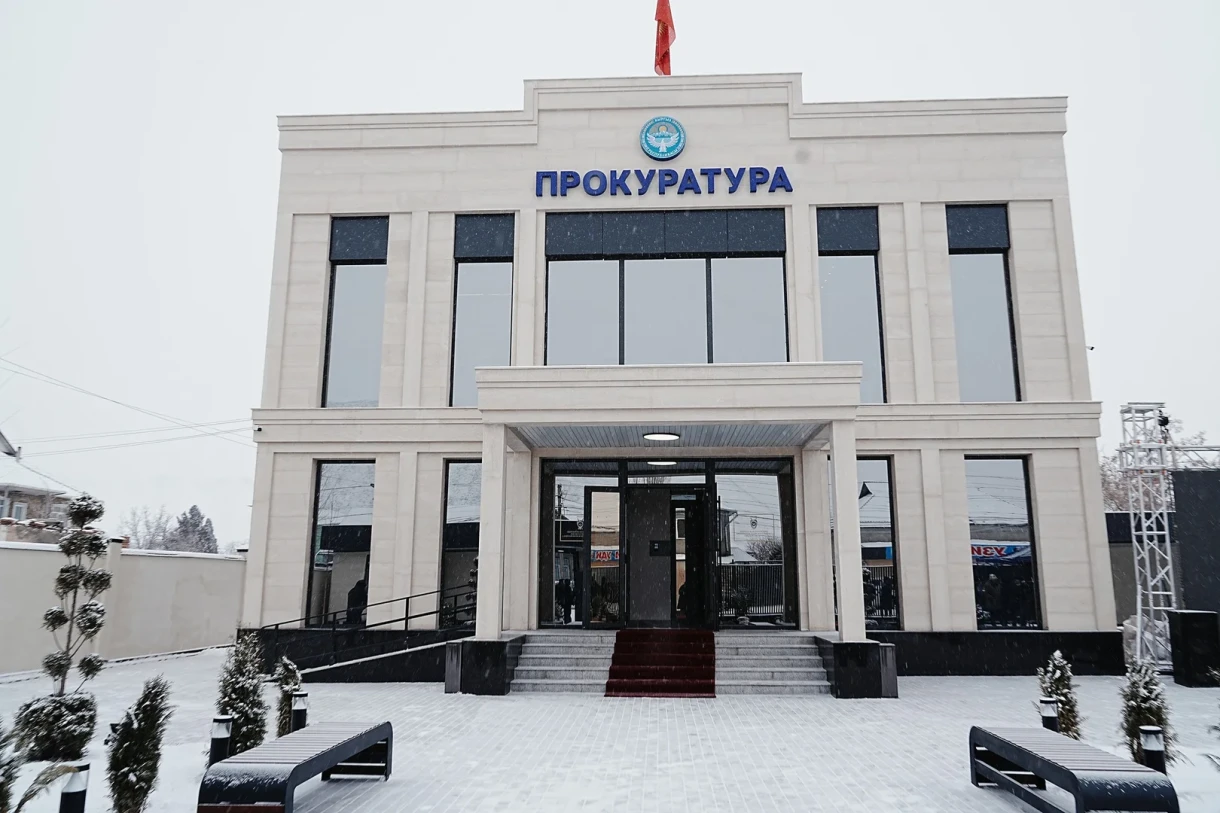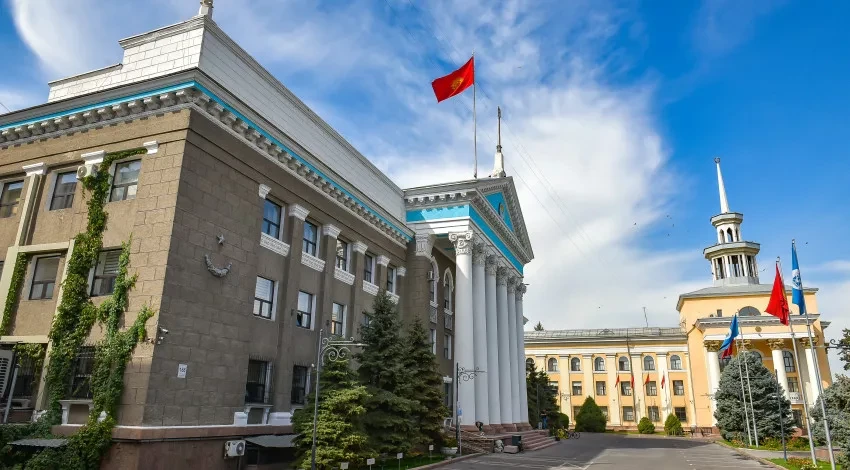
In its statement, the Bishkek City Hall denied the information provided by the deputy of the Jogorku Kenesh, pointing out its inaccuracy.
Ulukbek Karybek uulu, in his request, sought official information about the Action Plan for 2024-2025, including project documentation, capital construction projects, and details on social and engineering infrastructure, as well as funding sources and implementation timelines.
In response to the request, the Bishkek City Hall provided all the necessary information.
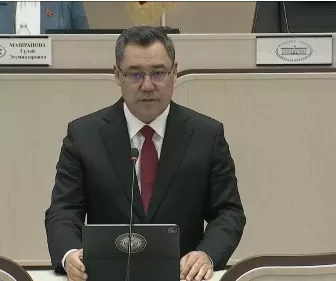
On January 26, 2026, during a parliamentary session, the deputy stated:
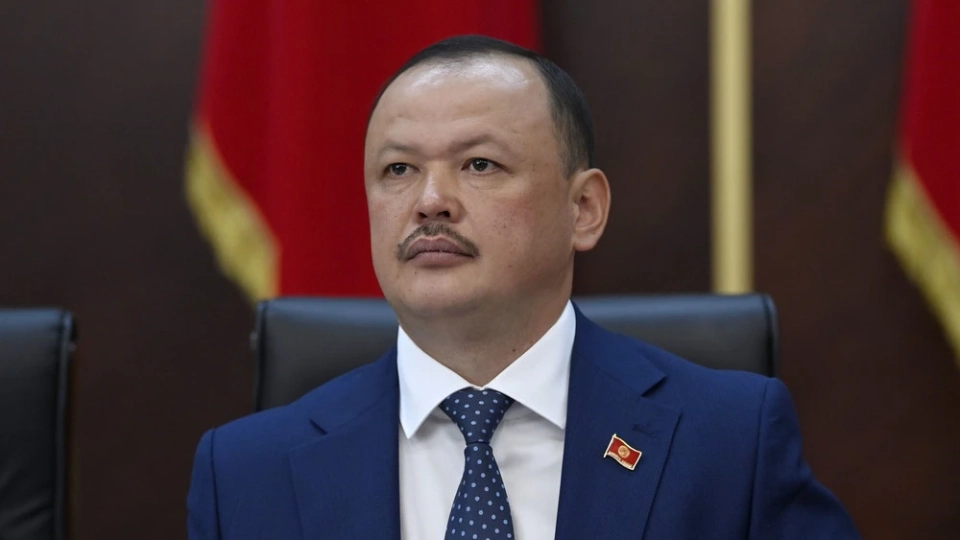
“In the new building 'Ak-Zhar', where 15,000 people live, schoolchildren from three residential areas are forced to travel to the city for education. The response from the city hall indicates that there is a school with 600 places functioning in the 'Ak-Bata' residential area, and children attend it. This statement misleads both the country's leadership and the population and deputies.”
It is important to note that the deputy did not specify how many students study at this school and in which educational institutions the children from the Ak-Zhar area are enrolled.
In Ak-Bata, there is a school with 620 places, where 1,735 students are currently enrolled, 260 of whom are in the old building. The educational process is organized in two shifts: the first shift from 8:00 AM to 1:00 PM, and the second from 1:30 PM to 6:30 PM.
It should also be mentioned that the Ak-Zhar residential area emerged as a result of land seizure, and currently, there are no available plots for the construction of new schools. The municipal authorities are working on various proposals to address this issue.
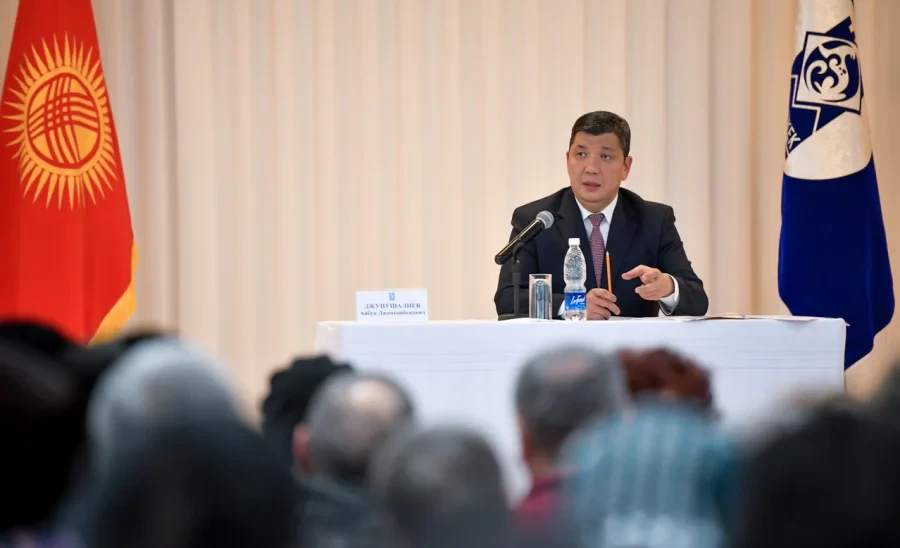
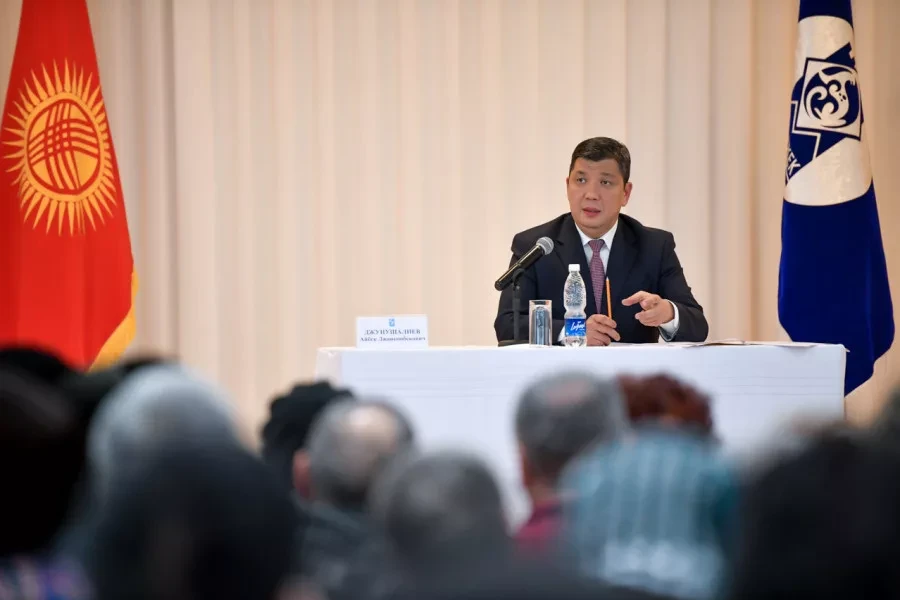
This matter was discussed on January 23, 2026, during a meeting between Bishkek Mayor Aibek Junushaliev and residents of Ak-Bata, where they proposed considering the possibility of building a school on land adjacent to the Alamudun district. However, according to current legislation, the city hall does not have the authority to construct facilities outside the city of Bishkek.
In response to the request, the Bishkek City Hall provided all the necessary information.
On January 26, 2026, during a parliamentary session, the deputy stated:
“In the new building 'Ak-Zhar', where 15,000 people live, schoolchildren from three residential areas are forced to travel to the city for education. The response from the city hall indicates that there is a school with 600 places functioning in the 'Ak-Bata' residential area, and children attend it. This statement misleads both the country's leadership and the population and deputies.”
It is important to note that the deputy did not specify how many students study at this school and in which educational institutions the children from the Ak-Zhar area are enrolled.
In Ak-Bata, there is a school with 620 places, where 1,735 students are currently enrolled, 260 of whom are in the old building. The educational process is organized in two shifts: the first shift from 8:00 AM to 1:00 PM, and the second from 1:30 PM to 6:30 PM.
It should also be mentioned that the Ak-Zhar residential area emerged as a result of land seizure, and currently, there are no available plots for the construction of new schools. The municipal authorities are working on various proposals to address this issue.
This matter was discussed on January 23, 2026, during a meeting between Bishkek Mayor Aibek Junushaliev and residents of Ak-Bata, where they proposed considering the possibility of building a school on land adjacent to the Alamudun district. However, according to current legislation, the city hall does not have the authority to construct facilities outside the city of Bishkek.