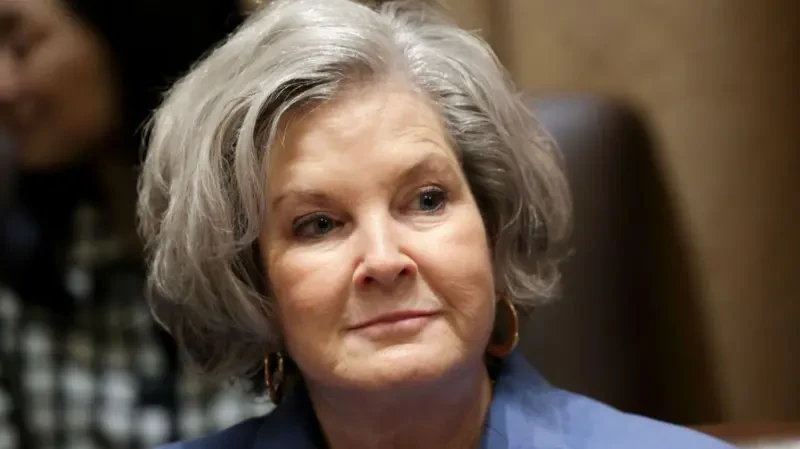
During a meeting of the committee on education, science, and youth policy, Amanova noted that in cities like Bishkek and Osh, only 50% of graduates enter universities, while the remaining 50% may become labor migrants.
She emphasized that although teachers' salaries are being increased and the state allocates significant funds for education, the results remain unsatisfactory.
“Is there any accountability for schools whose graduates do not pass the ORT? These young people, who do not enter universities, are forced to go abroad for work. Out of 200,000 who left, how many will return to Kyrgyzstan? How many of them will be able to pass the ORT to enter university next year? Probably only 2-3%. The rest remain working in the informal sector. School management and methodological centers must create conditions so that children can receive an education, master professions, and provide for themselves in the future,” the deputy stated.
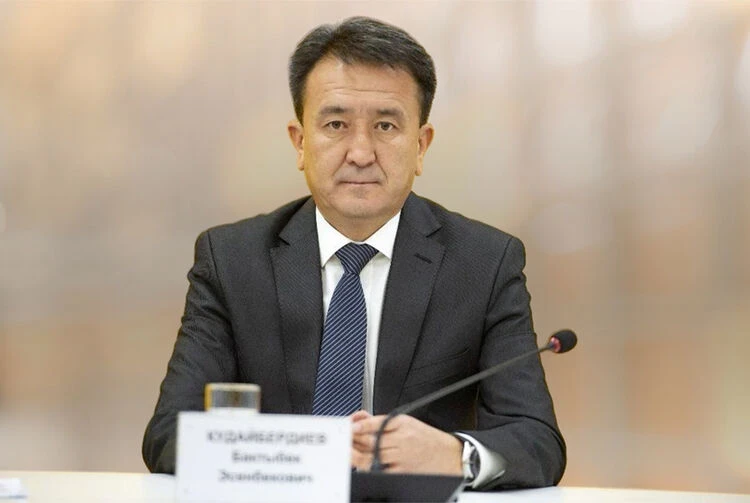
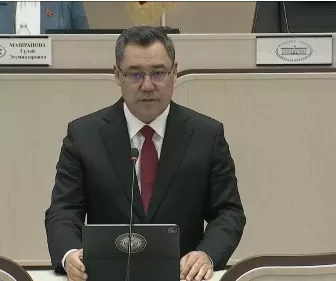
Deputy Minister of Science, Higher Education, and Innovations Kemel Sadikov noted that the organization of preparation and conduct of the ORT falls under the Ministry of Education, and emphasized the need for joint work between the two ministries.
The deputy also pointed out that school directors are appointed for five years. She expressed confusion as to why such leaders remain in their positions if the results of their graduates are unsatisfactory and conditions for the development of the teaching staff have not been created.
“In the regions, there are many educational institutions where half of the graduates do not pass the ORT. If the state allocates funds to support education, why do parents have to spend significant amounts on preparatory courses? Why can't teachers in schools provide children with the same knowledge as in these centers?” Amanova asked.
Sadikov reminded that issues concerning schools fall under the competence of the Ministry of Education, and he cannot respond to them. The deputy suggested inviting representatives of the Ministry of Education to meetings on youth policy issues, as many aspects are interconnected.