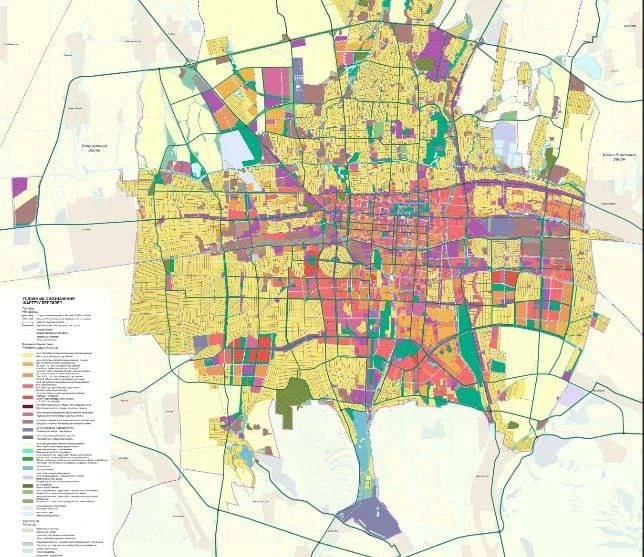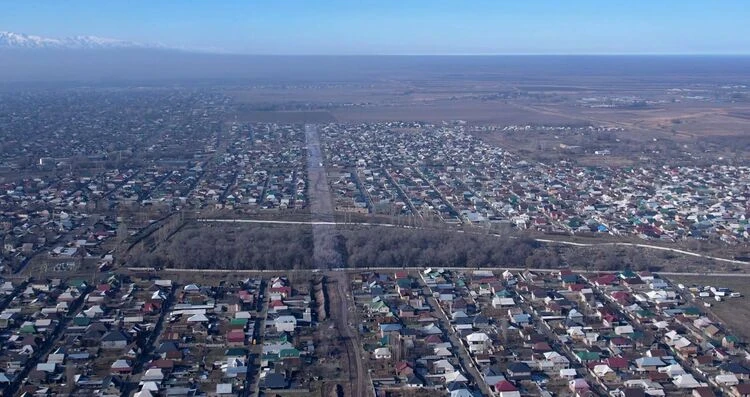
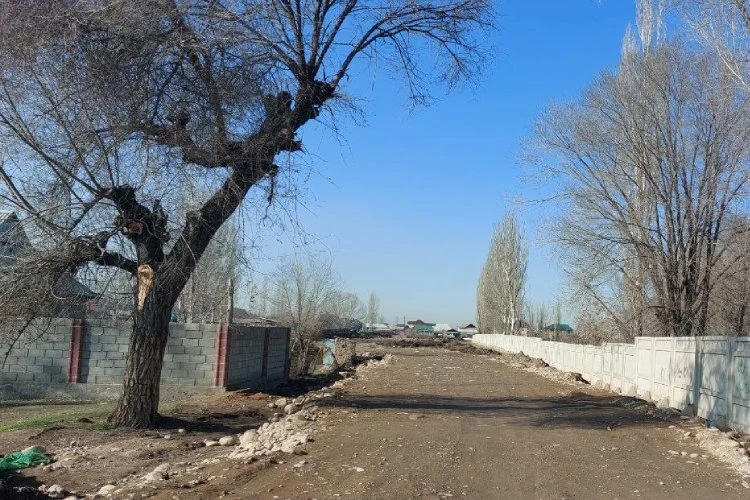
The recent expansion of Bishkek has led to the possibility that the village of Novopavlovka may lose part of its cemetery as a result of the extension of Profsoyuznaya Street. This project aims to improve the transportation situation and relieve traffic to the new Osh market, the Western bus station, and Manas Airport.
In 2017, the first phase of the extension of Profsoyuznaya Street was completed, connecting Fuchik and Kustanayskaya Streets. However, the city hall now intends to continue this street further towards MTU "Novopavlovka," where work has already begun to demolish unauthorized structures along the new route. But on this path lies a cemetery where the loved ones of villagers, who have become city dwellers, are buried.
Who owns the land: ancestors or private owners?
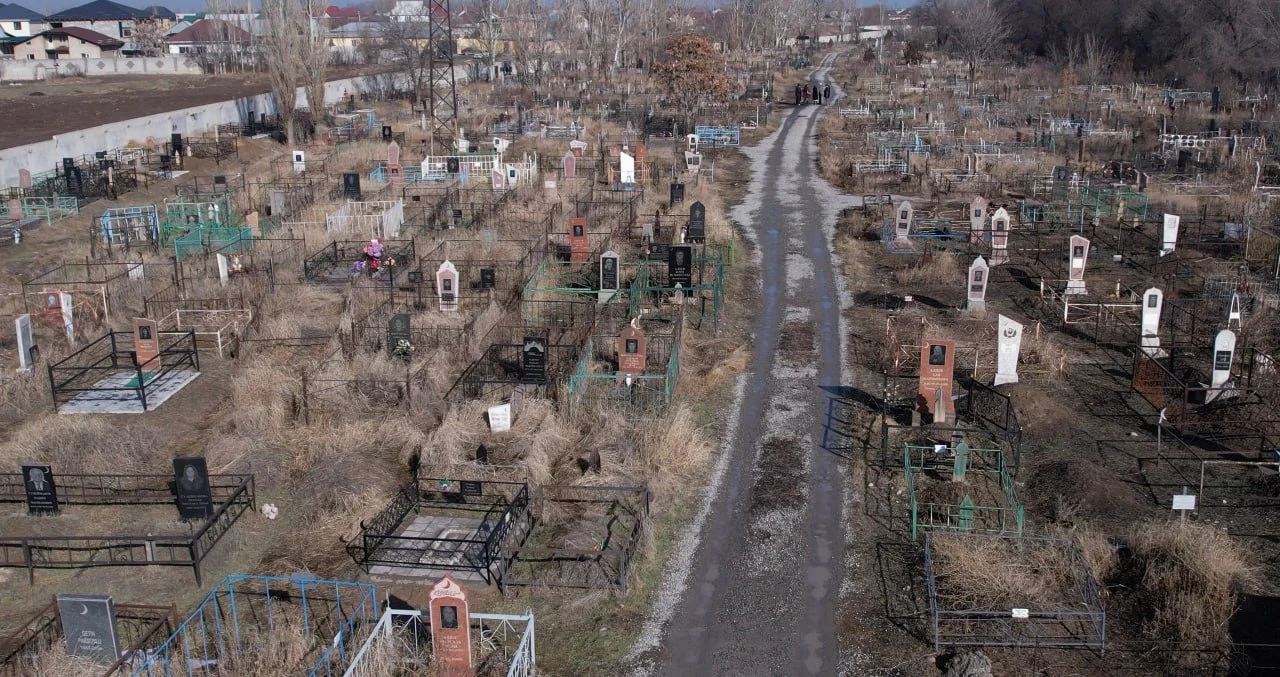
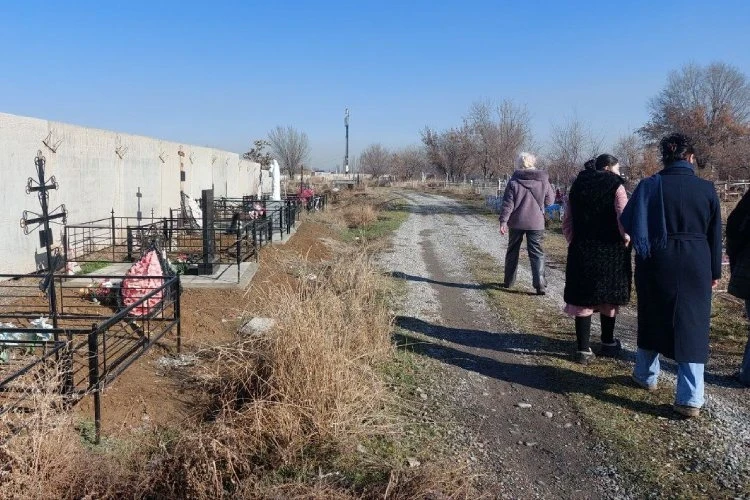
The old cemetery, located between Korsakov's Street and the ravine, has become a resting place for veterans of the Great Patriotic War and many others who contributed to the development of the village. The last burial here took place in 2024, after which the cemetery was closed.
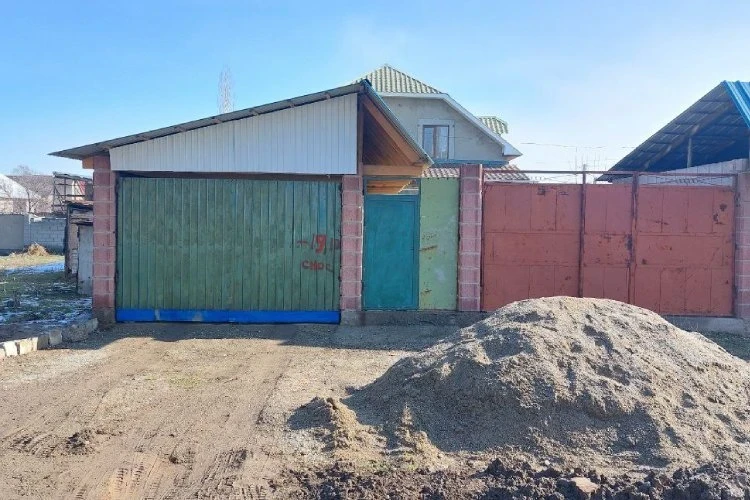
Previously, there were free lands and fields around the cemetery, but after the 2005 revolution, this area was built up with private houses, which was legalized relatively recently. Now most owners have documents proving their property rights.
According to the city hall, the road can be laid either through the cemetery or around it, but this creates a conflict of interest: the residents of Novopavlovka oppose the seizure of the cemetery, while the owners of new buildings do not want to lose their plots.
The mayor suggested "thinking about the living," but residents are concerned about the memory of the dead
Disputes and misunderstandings continue. Mayor Aibek Junushaliev's visit did not resolve the situation, but he promised to consider the opinions of all parties.
No one is to blame — neither you nor your parents. But the city must develop. Let's think about the living.
Aibek Junushaliev
The mayor proposed to organize a meeting in a more convenient setting for discussion, where everyone could express their opinion.
Aibek Junushaliev noted that the new route will become an important international transport corridor that will relieve traffic on Vasilievsky Tract and provide convenient access to the airport. He also pointed out that the project has been postponed multiple times in the past.
The capital is indeed growing, but the residents of Novopavlovka fear that the road will pass through the cemetery. They are concerned about what will happen to the remains of their loved ones.
“The cemetery director allowed burials until 2024, we have all the documents. What are we supposed to do with our relatives buried where they want to build the road? Are we going to dig them up and re-bury them at our own expense?” local residents wonder.
Local authorities are currently not providing any guarantees, leading to rumors and speculation. Residents are keeping watch at the cemetery gates to protect it.
“You can't build a road on bones; it will only bring trouble,” some locals declare.
Shocking ideas: putting remains in bags
According to locals, the width of the highway should be at least 30 meters, which implies the need to re-bury a large number of graves.
“I can't even imagine how this will happen. A few years ago, I buried my mother, and now I will have to go through a funeral again,” one woman expresses her outrage.
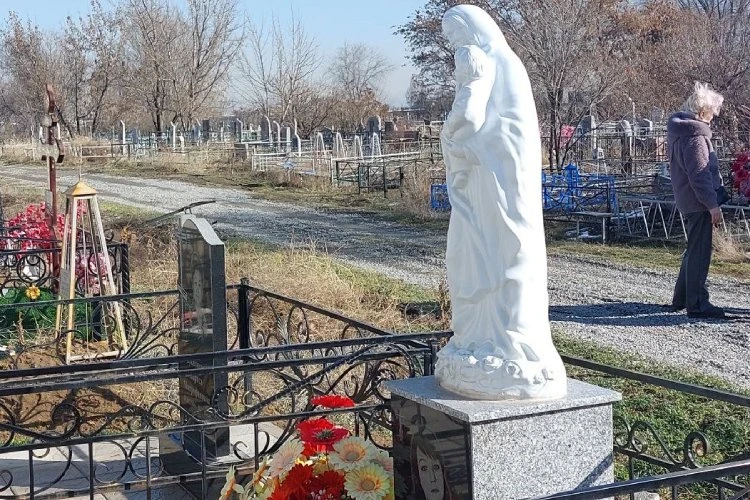
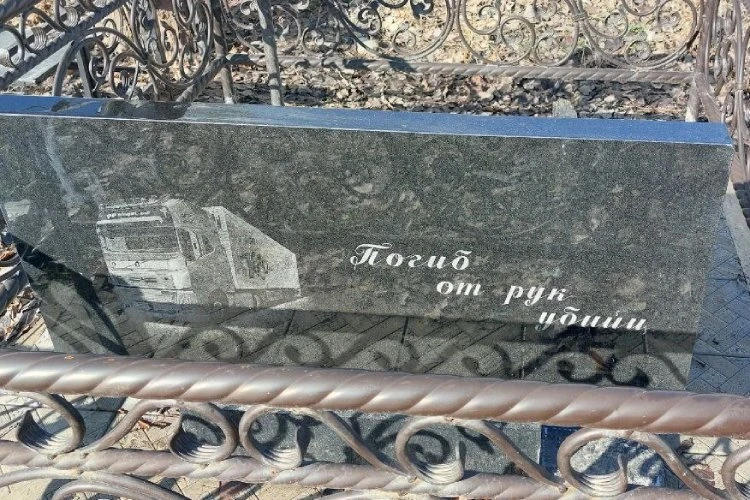
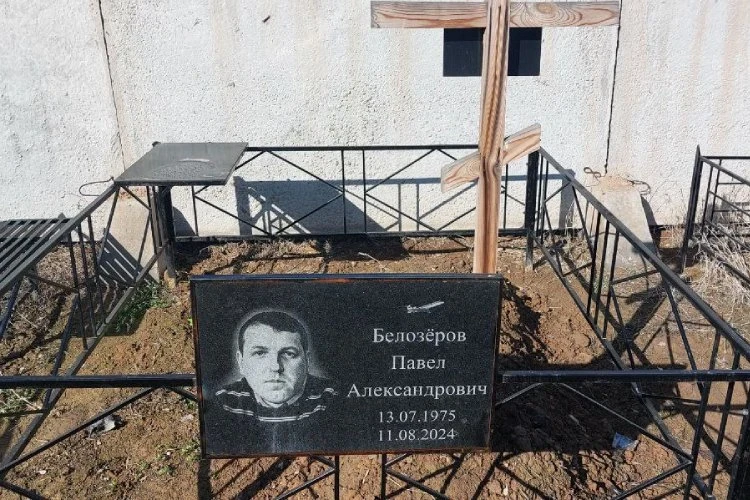
At a recent meeting, someone proposed a completely absurd solution — to hire foreign workers to dig up the remains, put them in bags, and hand them over to relatives. They believe this would be easier.
The cemetery has been functioning for over 60 years. People of different nationalities and faiths are buried here.
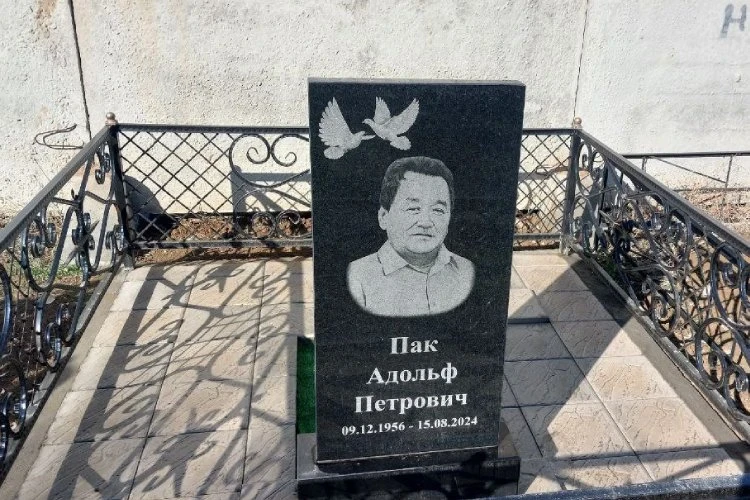
“The Muslim part of the cemetery is separated from the Orthodox part by a drainage ditch. But when we come here, we always remember both, as familiar faces of each of us rest here,” locals say.
25 years of silence: what does Sharia say?
Locals hope for a peaceful resolution to the issue, especially considering the Sharia law mentioned by President Sadyr Japarov, according to which a closed cemetery can only be used 25 years after the last burial.
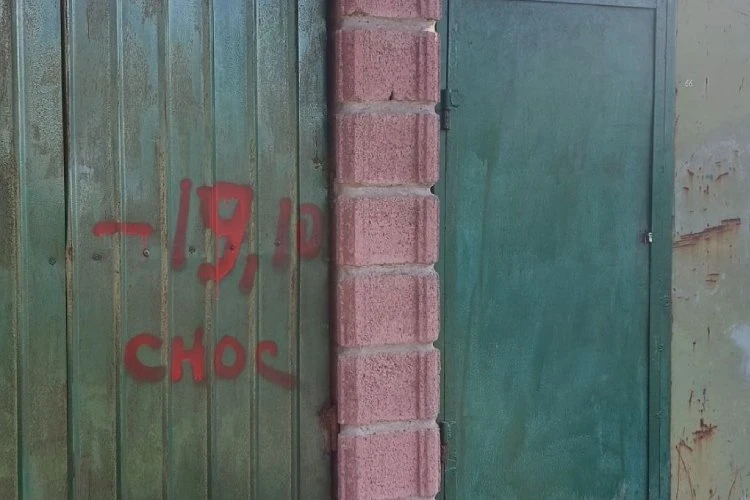
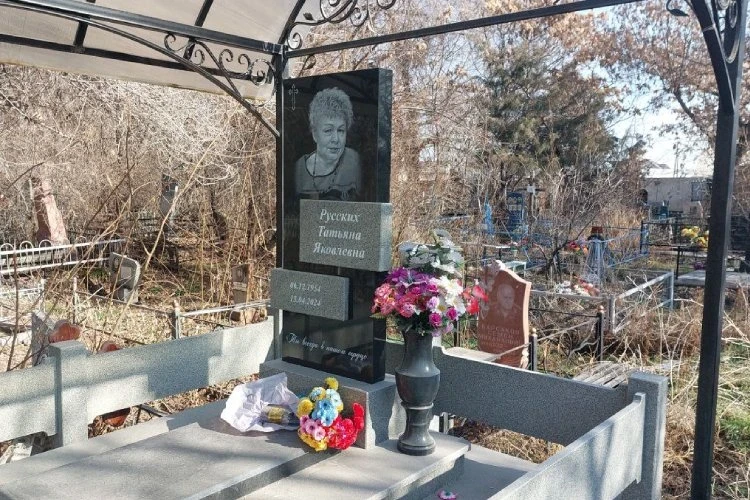
Novopavlovka faces a difficult choice that goes beyond urban planning solutions. This is not just a matter of transportation junctions and the development of Bishkek, but also the price society is willing to pay for progress. For residents, the cemetery is not just land, but a sacred place of memory and respect for those who lived before.
People expect from the authorities not abstract promises, but clear and transparent decisions that take into account laws, traditions, and human feelings.
For many, the possibility of changing the road route to avoid affecting the cemetery would be an acceptable compromise that would help maintain peace in society.
The question remains open. The resolution of this issue will affect not only the fate of the road but also the trust of local residents in the authorities.