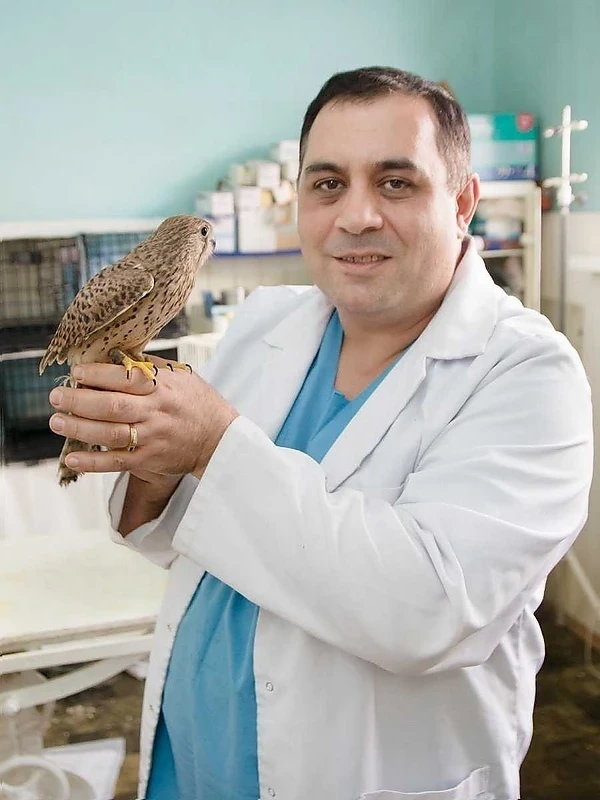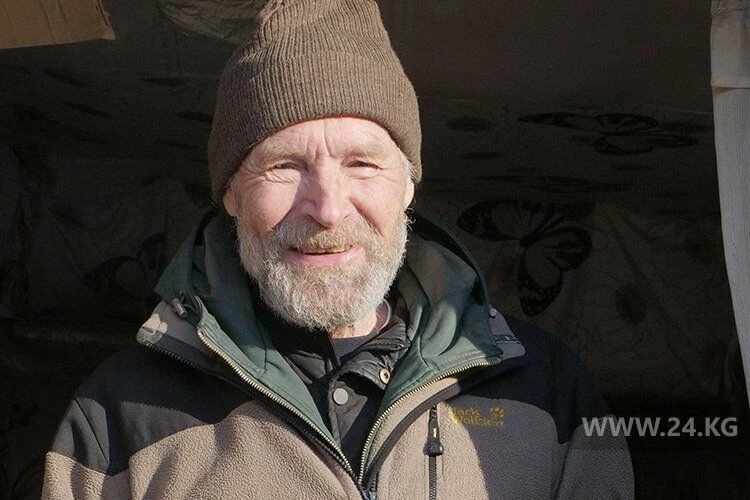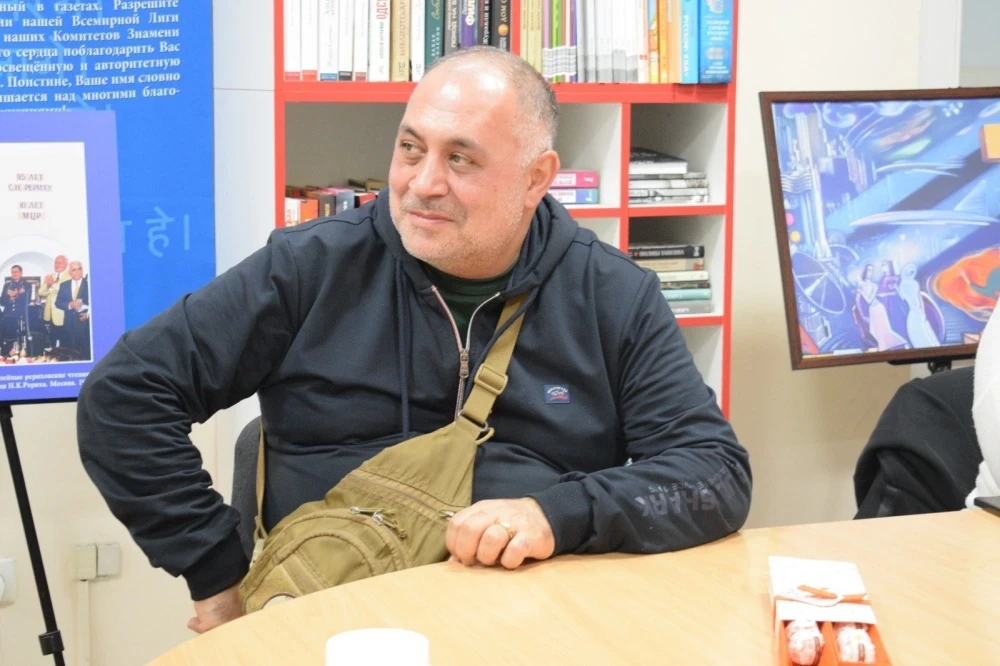
Karen Dallakyan, president of the "Save Me" foundation and a leading Russian veterinarian, has extensive experience in rescuing numerous animals, many of which suffered from serious injuries and required highly qualified medical assistance. As part of the volunteer program "Mission GOOD," he visited Bishkek, where he performed several surgeries for the residents of the rehabilitation center "Zoo Bishkek," examined animals, and exchanged experiences with local veterinarians.
One of the most complex surgeries was performed on a bird of prey, lasting over an hour and a half. It was crucial to carry out the intervention on-site, as transportation could cause severe stress to the bird and lead to fatal outcomes.
"When the surgery drags on for such a long time, anxiety increases, so we had to extend the action of the anesthetics," Dallakyan shared his impressions.
According to him, the condition of the animals at the center was a pleasant surprise.
"I was glad to see that the animals were well cared for. In my wildlife shelter, I often encounter the consequences of human cruelty: traps, unwanted animals from the circus industry. Here, I saw proper nutrition, care, and cleanliness — the foundation of health that I observed in Bishkek," the veterinarian noted.
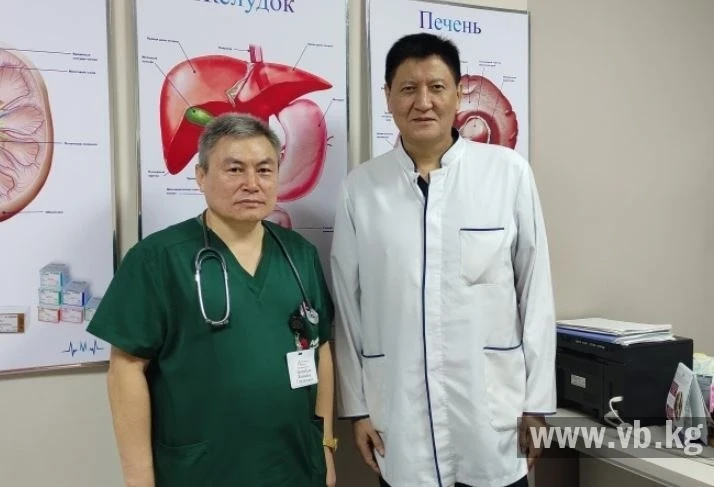
He emphasized that the successful completion of the surgery was made possible by teamwork. In Bishkek, he managed to meet his classmate.
"After 35 years, I met my classmate, who now teaches veterinary surgery. In collaboration with local specialists, we performed the surgery in field conditions. Every minute was precious, as securing the bird under anesthesia was done in an uncomfortable position, which put a significant strain on the respiratory system and heart. But in the end, we were able to save the bird," Dallakyan said.
Just three hours after the anesthesia, the bird began to recover.
"It started to drink and make sounds; these eagles have a very interesting 'bark.' These moments were joyful, and we all experienced them together with the center's staff. When I came out of the operating room, everyone was waiting for news as if they were family. Good deeds always end well. We can overcome any difficulties when we act together," the veterinarian added.
"All our charges come in with injuries. They are brought in by people; sometimes they keep the animals at home and then decide to give them up. We try to rehabilitate as many animals as possible and return them to the wild — this is our main goal," he explained.
Currently, the center houses about 300 animals and birds of more than 35 species. However, returning many of them to the wild is no longer possible.
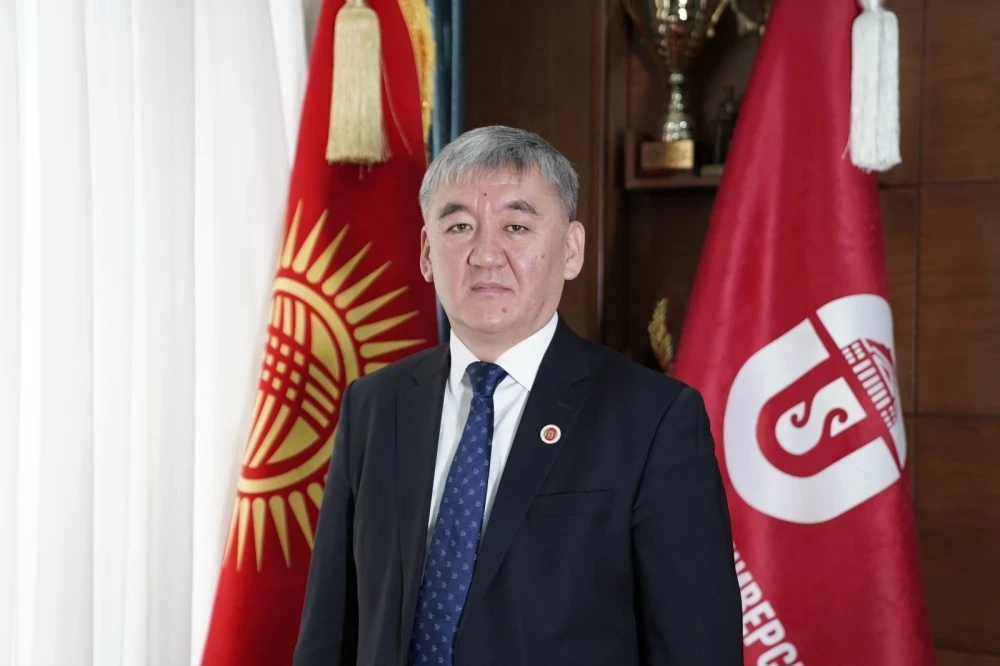
"We have many birds of prey with damaged wings, as well as foxes and wolves with gunshot wounds. Unfortunately, some of these animals will not be able to return to nature," noted Shevchenko.
He also reported that two birds were recently brought to the center.
"We received a call on New Year's and were informed about an eagle that was presumably injured in a traffic accident. It has multiple fractures, a damaged wing, and a crushed leg. The second bird was also brought in with a severe wing injury. The eagle has already been operated on, and now we will fight for its life. A long recovery path lies ahead," the director added.
According to him, the arrival of the Russian veterinarian was a significant support for the center.
"The situation developed very quickly. We contacted Rossotrudnichestvo for assistance, and they supported us. Then the Russian association 'Dobro.rf' brought a specialist with extensive experience. Such complex surgeries are taken on by very few veterinarians, especially when it comes to birds," Shevchenko reported.
The center has already signed a memorandum of cooperation and plans to establish a permanent exchange of experiences.
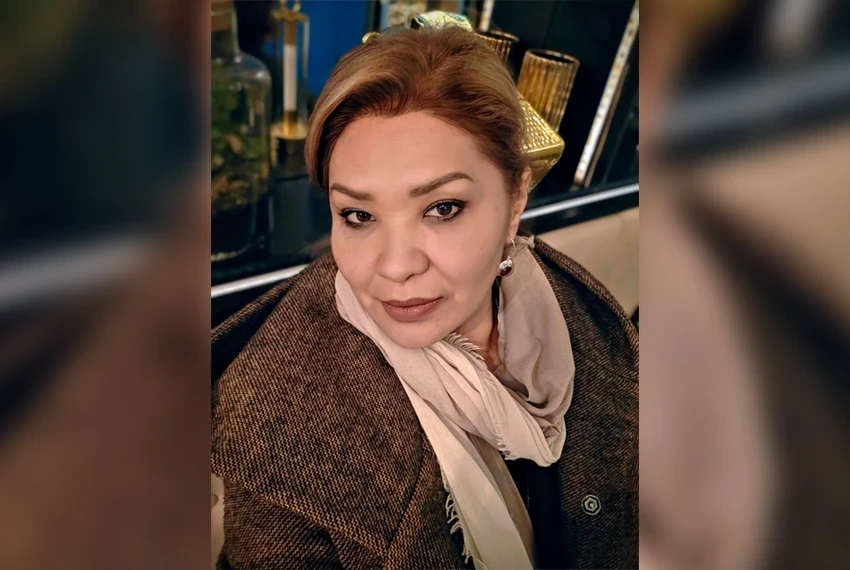
Deputy Head of the Rossotrudnichestvo Representation in Kyrgyzstan, Anastasia Brailovskaya, emphasized the importance of professional interaction.
"This exchange of experiences is very important to us. It is not only about helping rare and red-listed animals but also about recommendations for their feeding and rehabilitation. Our main task is not to leave the animal in captivity but to treat, resocialize, and, if possible, return it to the wild," she noted.
"The first day shows that the surgeries were successful: the birds are alive, drinking, and eating. But there are still many days and weeks of observation and rehabilitation ahead," Brailovskaya added.
Rossotrudnichestvo also confirmed that the "Mission GOOD" program will continue in the future.
The caption video is available on our Telegram channel. The video was created by Elizaveta Bliznyuk.