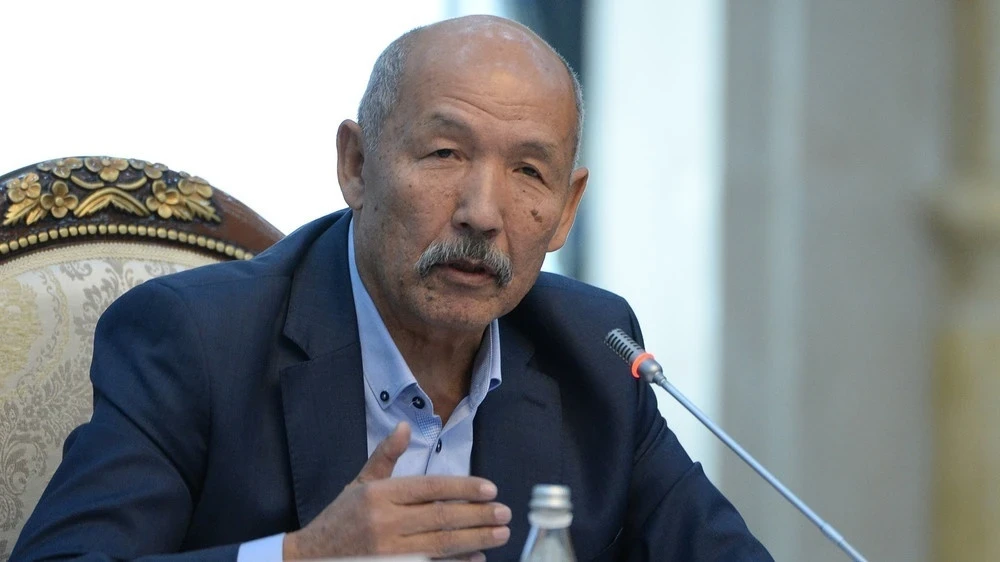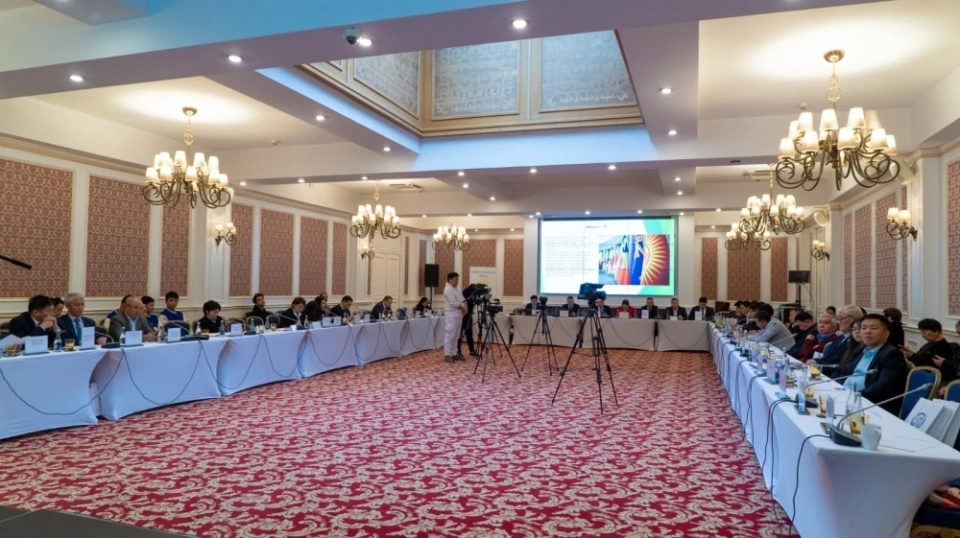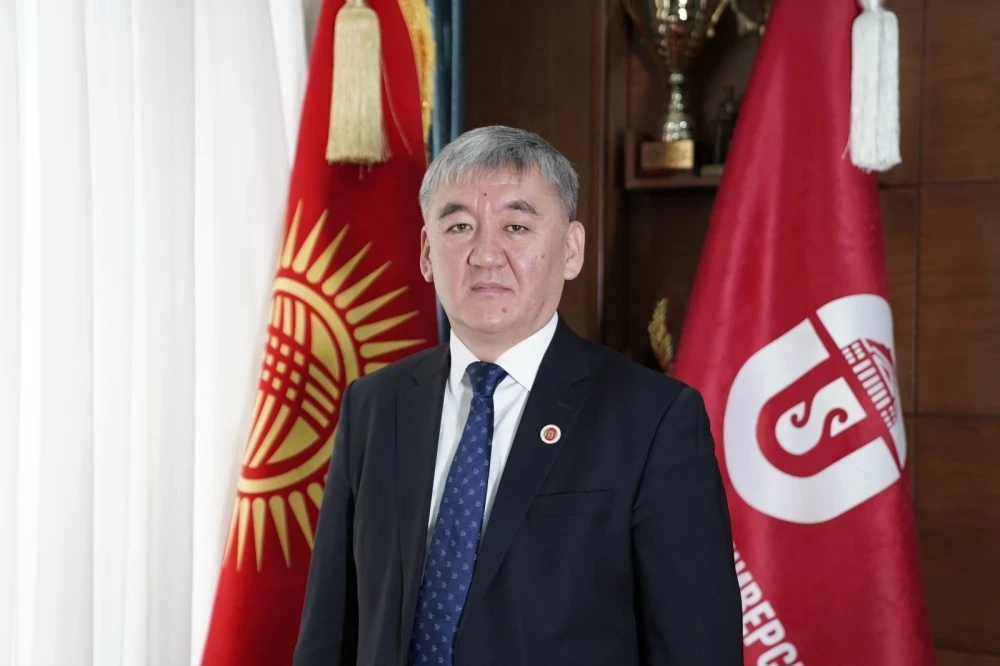
At a press briefing at Sputnik Kyrgyzstan, the First Deputy Minister of Emergency Situations Azamat Mambetov reported that 2,500 families were provided with land plots; however, they did not relocate from dangerous zones.
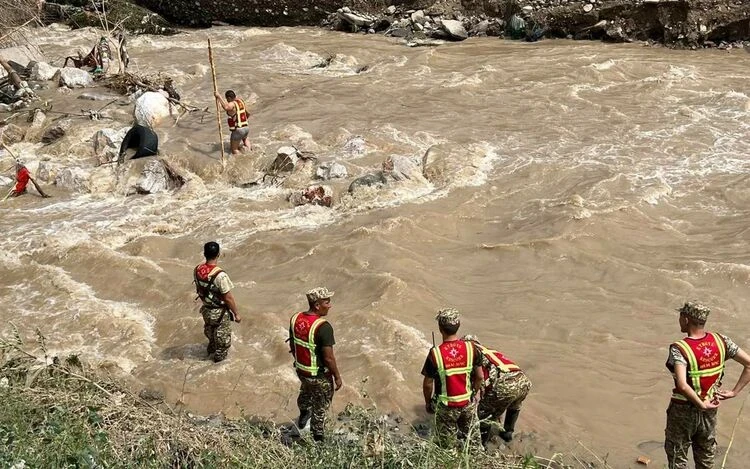
Azamat Mambetov pointed out that the active melting of snow and glaciers can trigger dangerous natural processes, such as landslides and mudflows. About 11,000 plots posing potential danger have been identified in the country, including around 4,000 areas with a high risk of landslides, where approximately 4,000 families reside.
According to the first deputy minister, 2,500 families received land plots, but they did not relocate to them.
“The children of these families live on the new plots, while the families themselves remain in risk zones. Some even sign a receipt confirming that they are prepared for the possible consequences of landslides. The Ministry of Emergency Situations does not have the authority for forced relocation. We have already contacted law enforcement agencies to work with such families,” he noted.
Mambetov also reminded that natural disasters have already claimed lives. For example, in 2024, a strong mudflow in Osh led to tragic consequences, including loss of life and destruction of the market. After that, an inventory of buildings in dangerous zones was conducted: about 3,000 objects were recognized as being in a risk zone, and approximately 2,000 of them have already been demolished.
The first deputy minister emphasized that the accuracy of forecasts from the Hydrometeorological Service has reached 97% within three to five days.
He added that currently, 135 automatic weather stations and 98 hydrological posts are operating in the republic, monitoring water levels and the risks of rivers overflowing their banks.
Forecasters expect temperatures to be 1-2 degrees above normal, indicating an early onset of spring.
In the mountains, the snow cover is 150-170% of normal, which may lead to an increase in reservoir volumes. However, in the Chui region, the snow level is below normal, creating a risk of low water levels.
Additionally, Azamat Mambetov noted that there are about 2,000 high-altitude lakes in Kyrgyzstan, of which 600 are already subject to artificial regulation due to the threat of bursting.