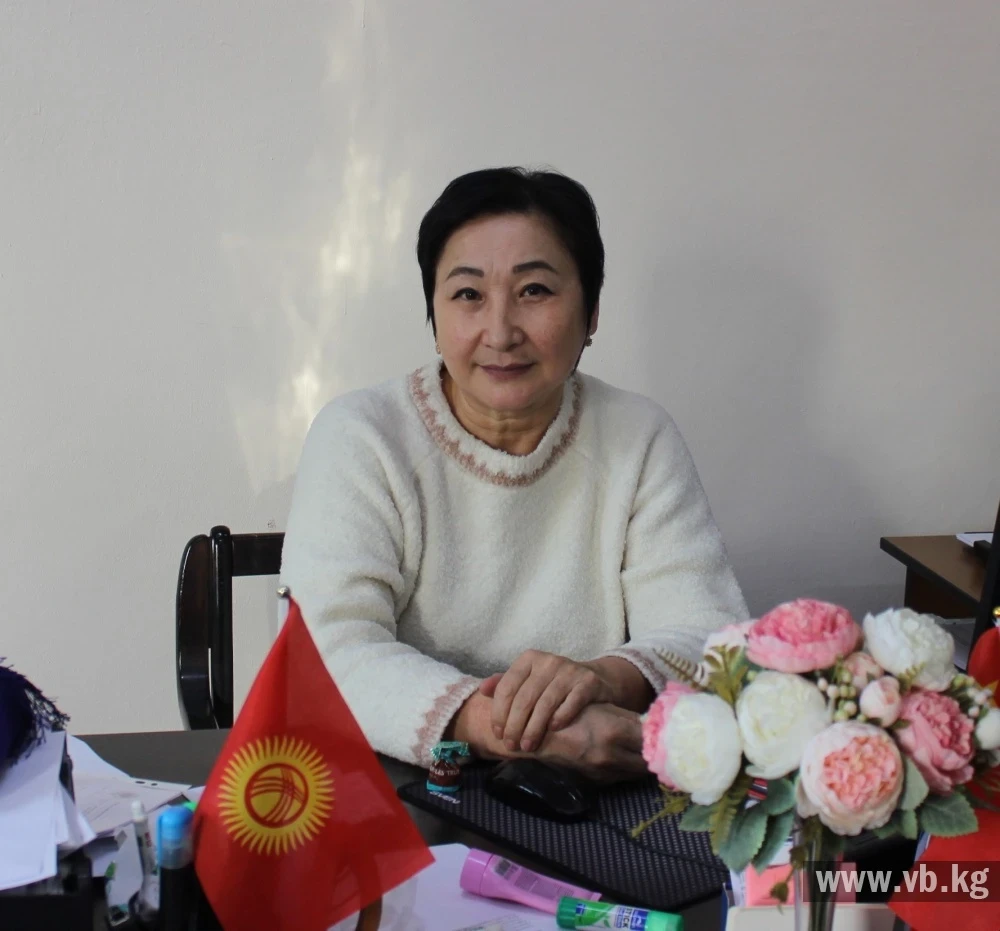
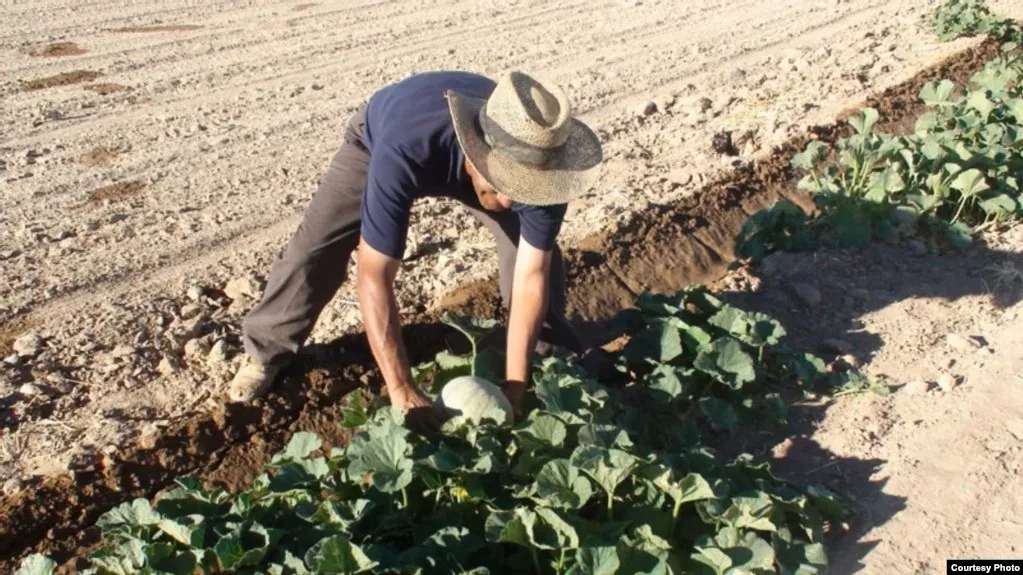
The history of Lenin is highlighted by Lira Akymbaeva, the head of library No. 23. According to her, in 1905, peasants from the southern regions of Russia began to settle in the Chui valley. In 1906, 10 households of settlers arrived from Bessarabia (modern Moldova), receiving six desyatins of land each on the right bank of the Alamudun River.
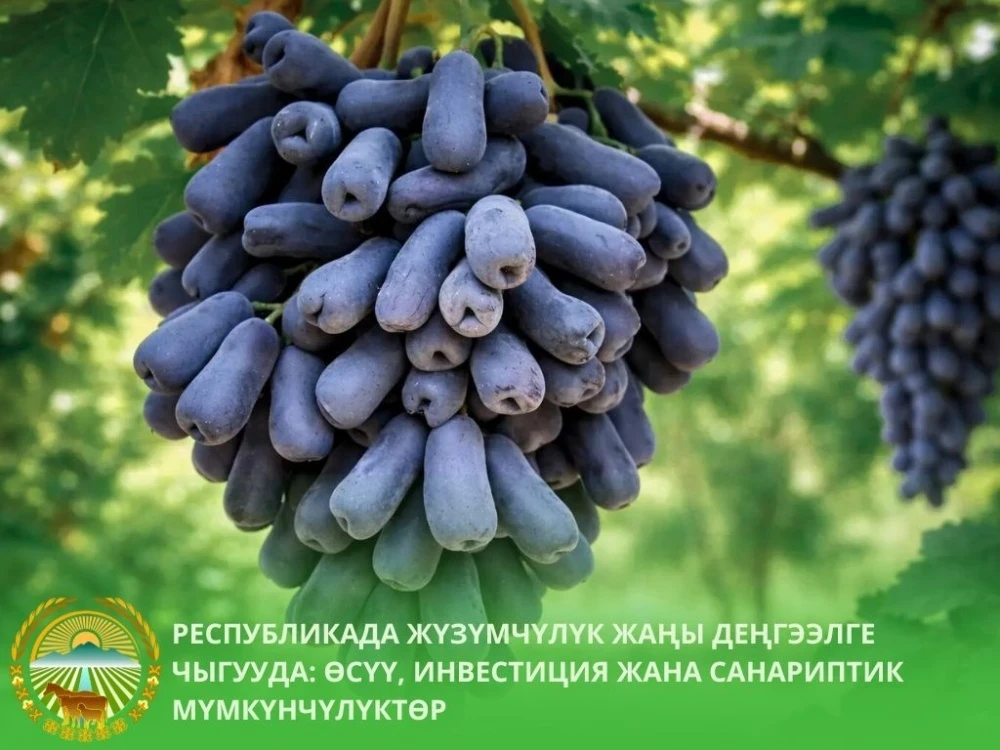
In 1907, a small settlement of 30 households named Moldavanovka emerged, and the development of horticulture, viticulture, and gardening began. After the October Revolution, collective farms were established in Kyrgyzstan. In March 1919, a gardening and winemaking union called "Vetka" was formed in Moldavanovka, uniting 32 households.
By June 1919, the village had a population of 323 people. The initial members of the union included Nikiforenko F.T., the Balbachan brothers, Pochitaev G., Belenko Z., and Onishchenko G. However, during the Civil War from 1918 to 1920, many union members were called to the front, which nearly led to its dissolution.
In the spring of 1921, the collective farm was restored, forming the agricultural artel "Vetka" from 13 families. On June 27, 1922, this artel became a commune on the right bank of the Alamudun River with an area of 28 desyatins, initiated by the chairman of the Moldavanovsky village revolutionary committee Balbachan E.I. and participants of the Civil War.
June 1922 became an important milestone for the commune, which adopted its charter. In 1924, a decision was made at a meeting to rename the commune "Vetka" to the commune named after Lenin. Women members of the commune, such as Pochitaeva P., Balbachan F., Kalashnikova A., Belenkova S., and Konnikova A., actively participated in the life of the commune.
By 1925, the commune had 7 working horses, 45 head of cattle, 210 sheep and goats, as well as 10 desyatins of wheat. In 1928, a consumer cooperative was organized under the Moldavanovsky village council, and in 1930, the commune transformed into one of the major sheep-breeding collective farms in Kyrgyzstan.
From 1931 to 1934, the collective farm was part of a multi-sector economy, engaging in various types of agriculture, such as field farming, horticulture, and animal husbandry. In March 1934, the Lenin collective farm transitioned to the status of an agricultural artel, which was beneficial for its development.
In 1938, due to the growing influence of the collective farm, the village of Moldavanovka was renamed Lenin, and in 1939, a bronze bust of Lenin was installed near the House of Culture. In 1947, milkmaid Sheveleva M.E. was elected as a deputy of the Supreme Council of the Kyrgyz SSR and received the title of master of social animal husbandry.
By 1951, the Lenin collective farm had 408 households with a total population of 1,054 people, including Russians, Ukrainians, Moldovans, and other nationalities. That same year, three collective farms merged, which contributed to improved land cultivation and the introduction of new technologies.
In 1952, the collective farmers achieved good results in the harvest of grain crops, allowing them to take a place on the district Honor Board. From 1953 to 1962, there was a rise in all sectors of the economy and an improvement in the material conditions of the collective farmers. September 1953 marked the time for developing measures to improve the economy, and in 1955, a new chairman of the collective farm's board was elected. By 1960, the collective farm grew to 6,203 people, which contributed to improved living conditions and education. The village had 10 schools, including two secondary and three eight-year schools.
By the 1960s, cultural initiatives were actively developing in the village: kindergartens, clubs, and libraries were opened, serving more than 3,000 people. At that time, representatives of 37 nationalities lived in the village, enriching its cultural life.
The history of the Lenin collective farm is not only the history of the farm itself but also of the entire village of Lenin. Since its founding in 1921, the collective farm has been a key factor in the development of the region, managing to overcome the difficulties of wartime and restore its economy in the post-war years. Formed from 32 small farms, the partnership "Vetka" transformed into a multi-sector collective farm with 2,088 households, which actively develops agriculture even today. Lira Akymbaeva emphasizes that the cooperative "Vetka" has continued its activities for over 95 years, adapting to the changes of time and remaining an important element of the local economy.