From Flourishing to Decline: The Path of the Legendary Frunze Plant
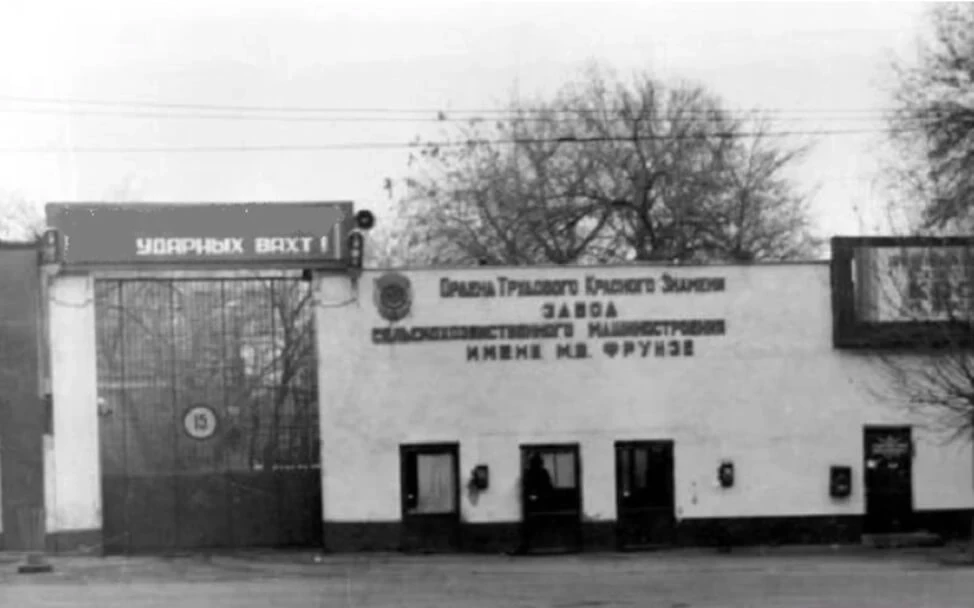
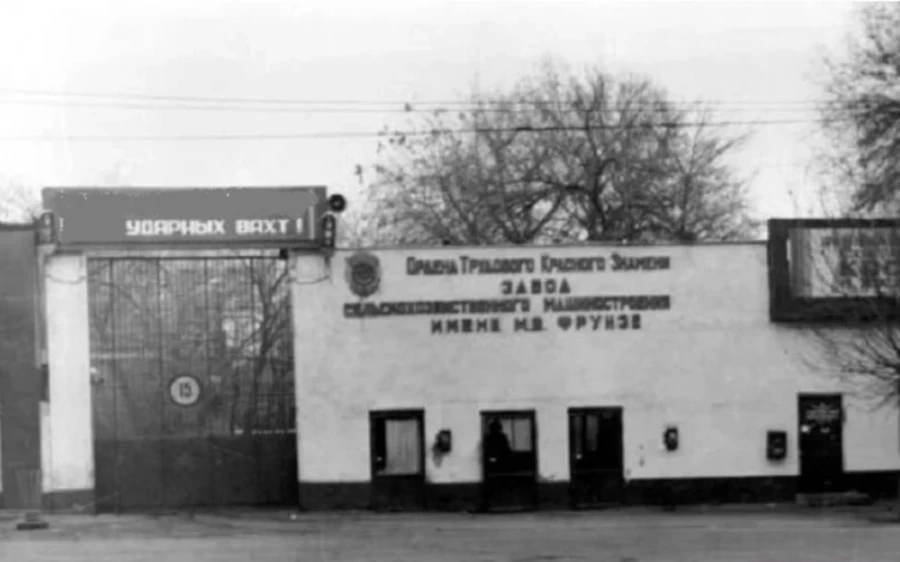
The Agricultural Engineering Plant named after M.V. Frunze, or simply “Selmash”, was once one of the largest industrial facilities in the Soviet Union, playing a key role in supplying the country’s agriculture with machinery and personnel.
The plant's products were used in collective and state farms from Central Asia to Siberia, and the plant itself became not just a workplace but also a center of urban life, creating an entire infrastructure around it: residential buildings, dormitories, and cultural institutions. For many Frunze residents, “Selmash” became a symbol of stability and work ethic.
This article tells the story of the plant, which became part of the historical context when brother republics jointly built an industrial economy.
The Birth of the Plant (1920s-1930s)
The history of “Selmash” begins in the 1920s when mechanical workshops of the cooperative “Intergelpo” operated in Pishpek, created to assist the young Soviet republic. The Czechoslovak cooperative, which arrived in 1925, brought not only technology but also the idea of mutual assistance, which became the foundation of its work.
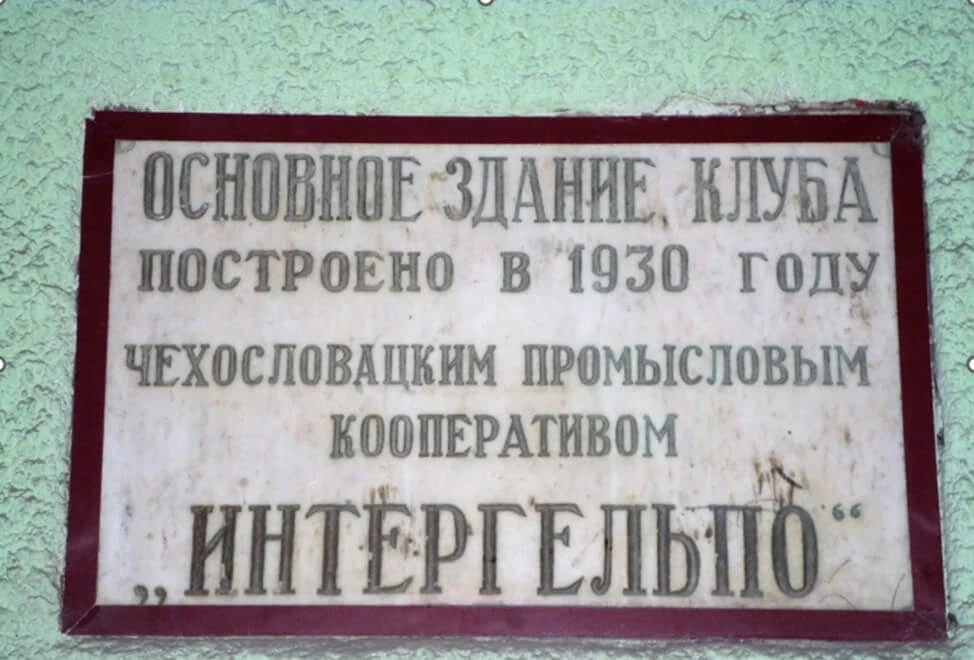
Within a few years, a full-fledged industrial and residential area emerged on the wasteland on the outskirts of the city, where workshops, factories, schools, and even parks were built. This became one of the first examples of a comprehensive approach to industrial construction.
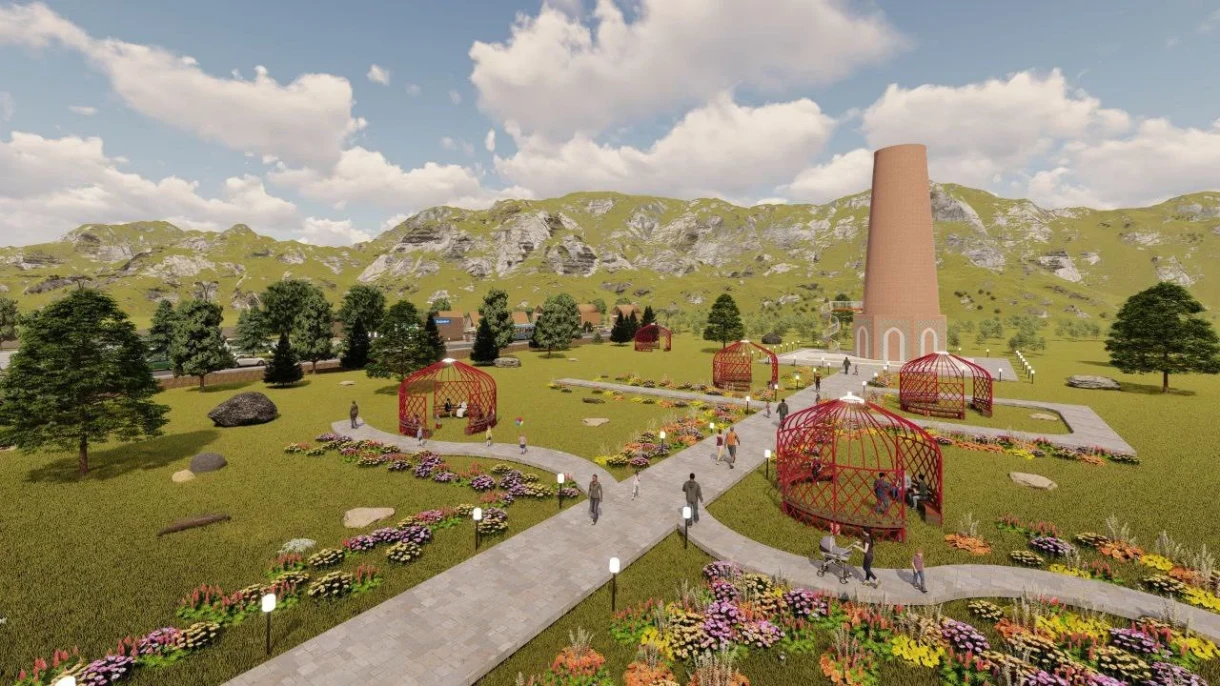
The name “Intergelpo” is also associated with Julius Fucik, a Czech journalist who highly praised the work of the communards in 1930. Later, his name became associated with the park that became a center for workers' recreation.
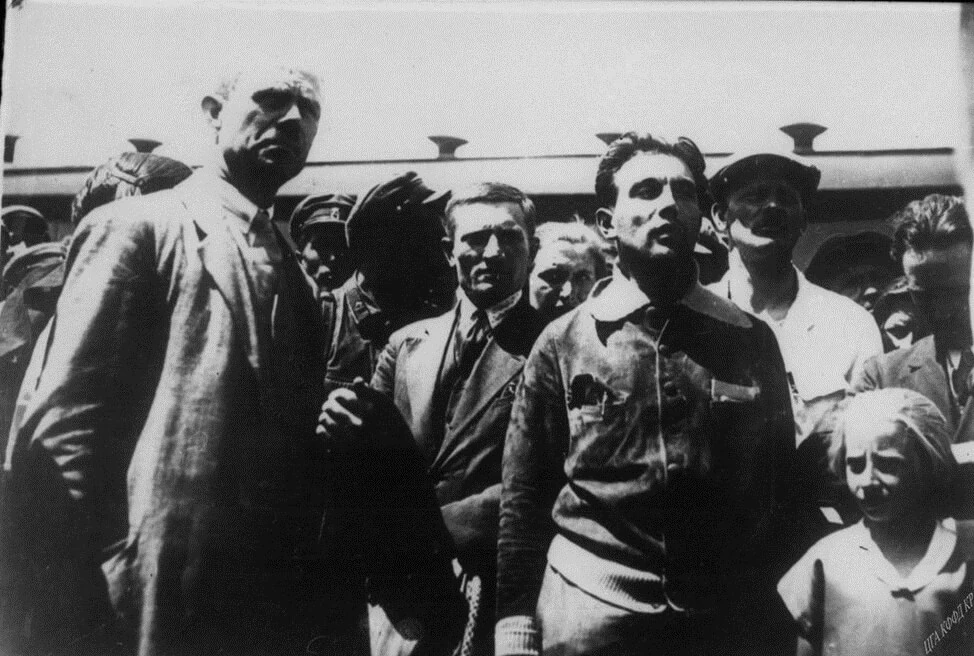
The mechanical plant “Intergelpo” became the foundation upon which the workshops of “Selmash” later grew, which subsequently supplied the entire Soviet Union with agricultural machinery.
World War II: Transformation (1940s-1950s)
World War II was a turning point for the future of “Selmash,” transforming small workshops into a plant of union significance.
With the start of the war in 1941, the Soviet government evacuated strategic enterprises, including the equipment of the First of May Agricultural Engineering Plant to the Kyrgyz SSR, which laid the foundation for the creation of the plant named after M.V. Frunze.
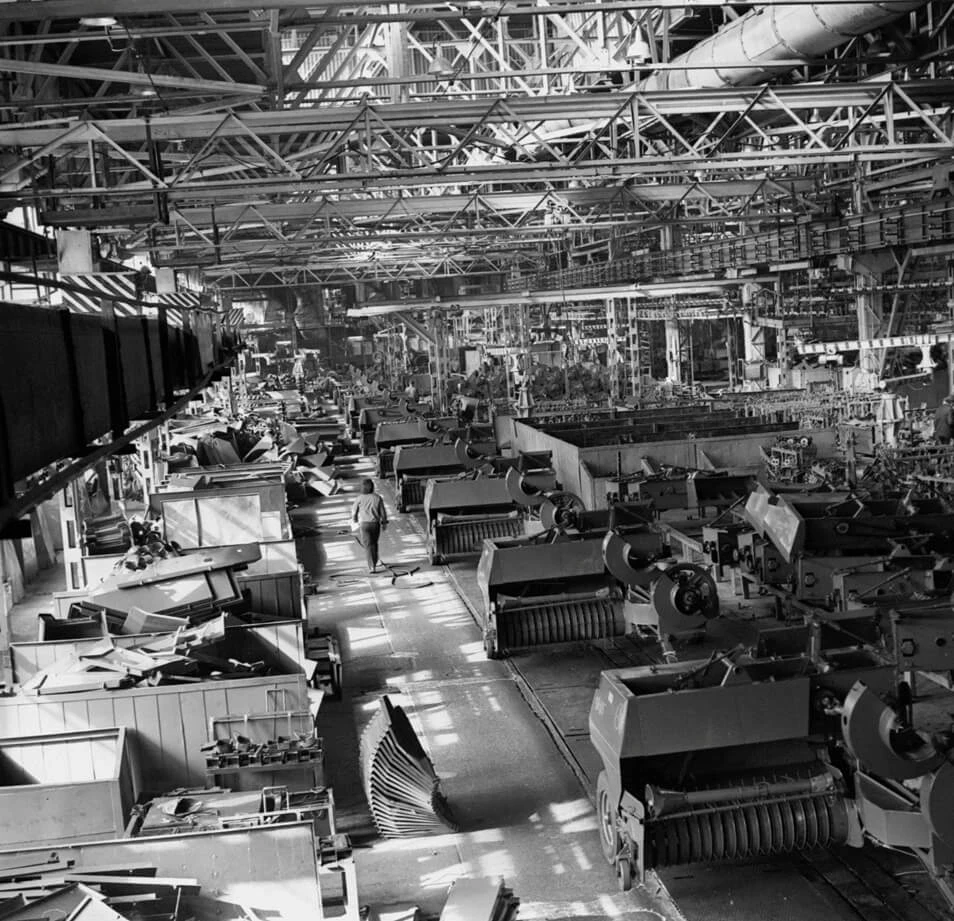
The plant was quickly launched, despite a lack of resources and personnel. In its first year of operation, “Selmash” produced not only agricultural machinery but also military products, such as parts for tanks and artillery.
This period became a time of resource mobilization, the creation of an engineering school, and the formation of a team capable of solving large-scale tasks.
After the war, the plant returned to producing civilian machinery; however, the experience gained during the war became the basis for further development and growth.
In the 1960s-1970s, “Selmash” became a leading manufacturer of agricultural machines, such as balers, which were essential for livestock farming in the USSR.
This became the “golden age” of the plant.
Decline and Recovery (1991 and Beyond)
With the collapse of the USSR in the early 1990s, the plant faced difficulties. In 1992, “Selmash” produced nearly 20,000 balers, but soon production volumes sharply declined, and the plant ceased operations.
In 1995, the liquidation of the plant began, and its assets were sold off, leading many workers to lose their jobs and leave.
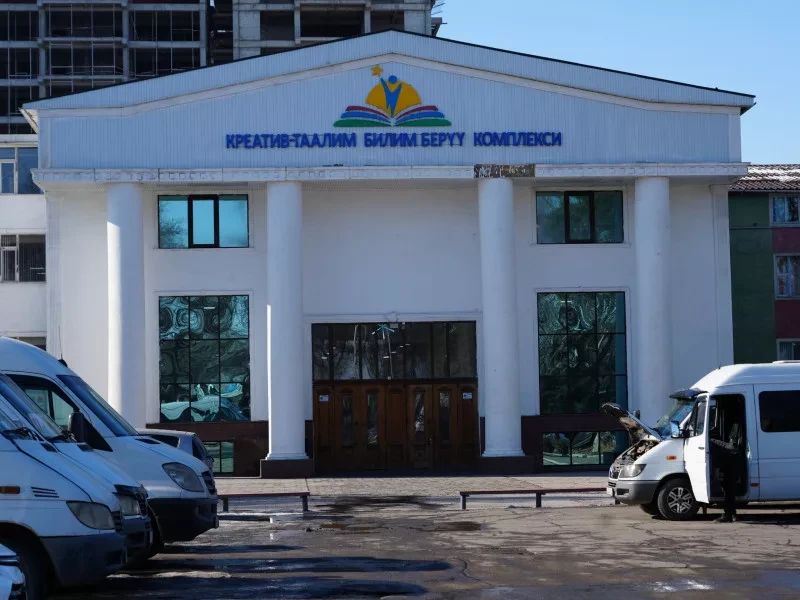
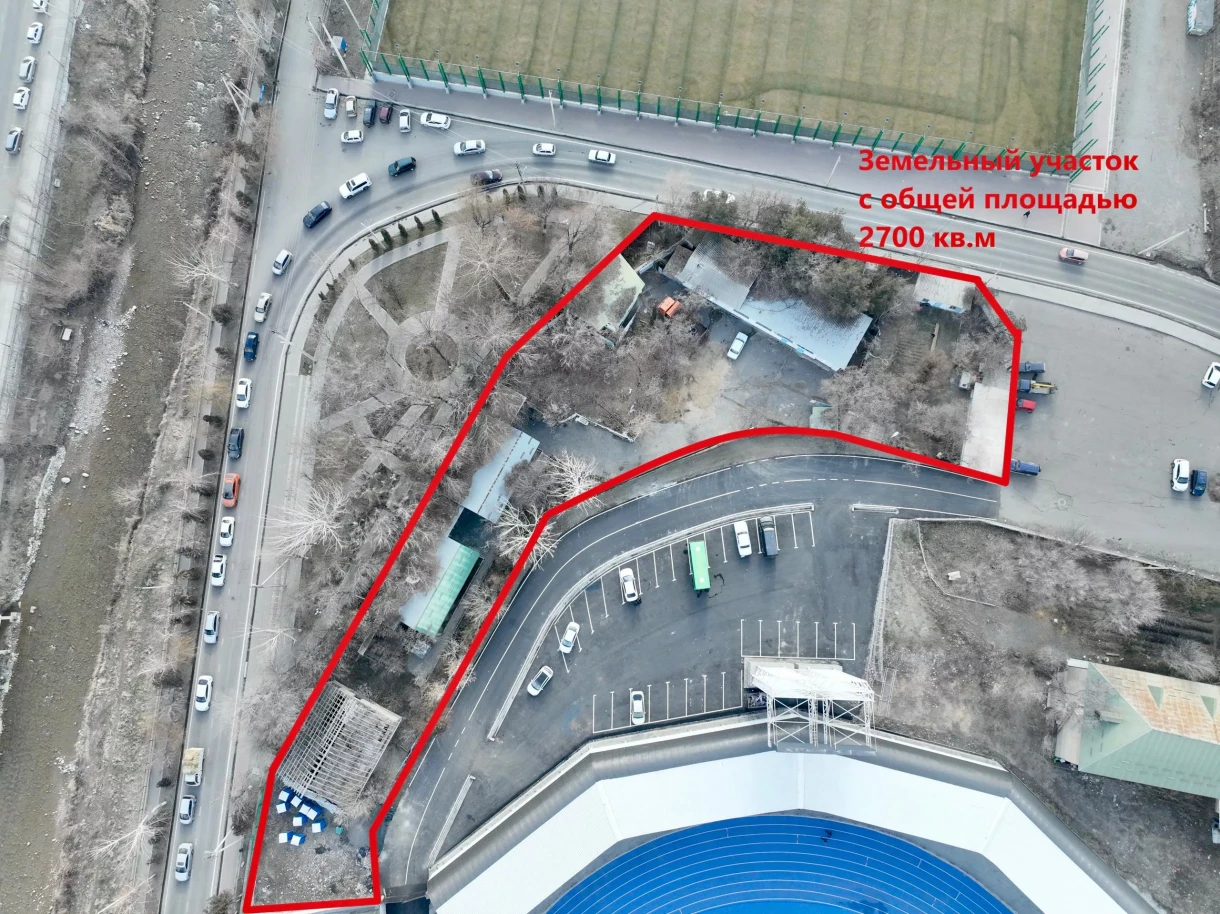
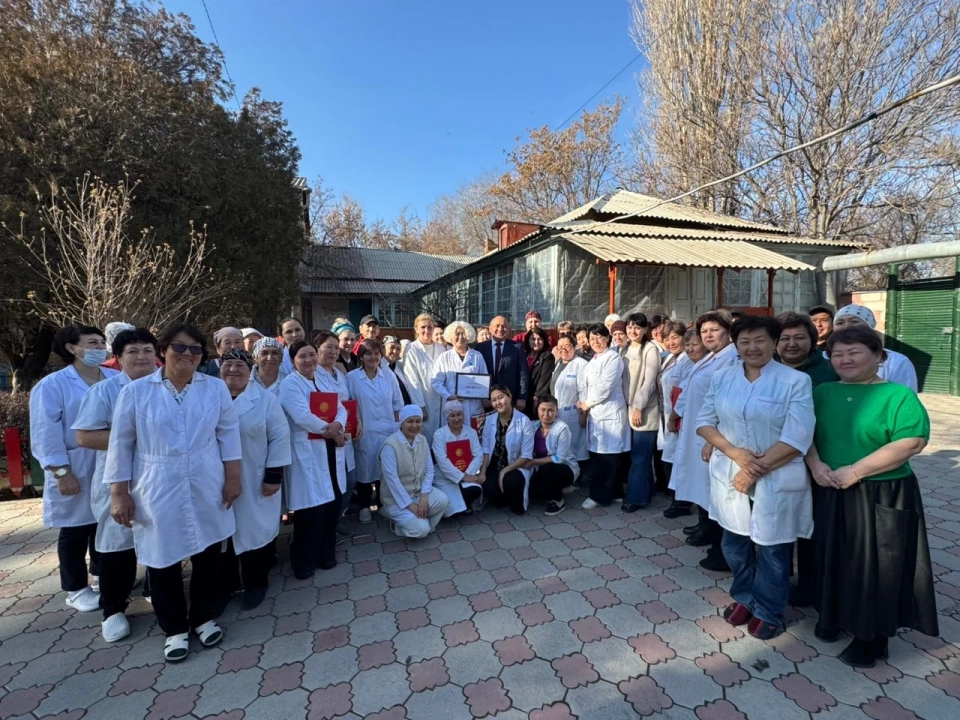
However, since 2015, the situation began to change. New enterprises started to open on the territory of the former plant, and by 2024, around 80 companies were already operating there.
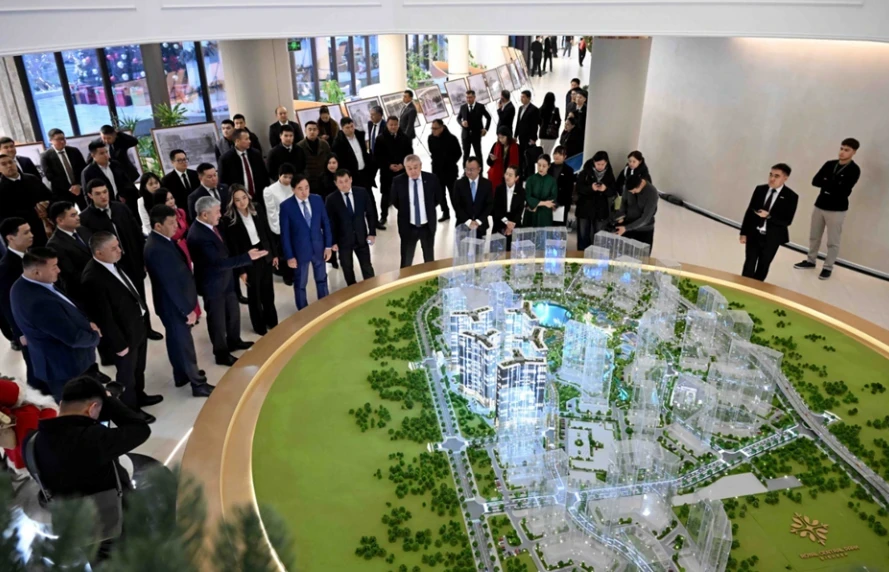
The site transformed into a modern manufacturing cluster, providing employment and creating new jobs.
The modern history of the Frunze plant reflects the entire Kyrgyz industry: from rapid growth to decline and new attempts at revival.
Thus, despite the challenging times, the traditions of production continue to live on, and revival is possible if there is desire and support.