The authors of the study, A. K. Kanymetova, A. D. Esenaliev, and A. K. Orozbekova, emphasize that such infections represent one of the pressing issues in the healthcare sector.
Global data show that up to 15% of hospitalized patients may contract such infections, while in intensive care units, this figure reaches 30%. Healthcare-associated infections worsen clinical outcomes, increase hospitalization duration and financial costs, and contribute to the spread of antibiotic-resistant strains.
The study analyzed data from 707 patients undergoing treatment in capital hospitals.
The most common forms of HAIs were:
- clinical sepsis;
- ventilator-associated pneumonia.
“Although the recorded HAI rate of 2.8% corresponds to the average figures in resource-limited countries, the extremely low frequency of microbiological diagnostics hampers accurate epidemiological assessment. Laboratory studies were conducted in only 0.8% of patients, which may indicate a significantly higher prevalence of HAIs,” the authors assert.
According to the study, factors contributing to an increased risk of infections include:
- vascular catheterization,
- presence of drains,
- surgical interventions,
- hospital stays longer than 7 days.
“These results confirm global trends, where invasive procedures are considered primary factors in nosocomial infections,” the researchers added.The structure of hospitalizations shows a significant burden on obstetric-gynecological, surgical, and pediatric departments, which are traditionally exposed to high risks of HAIs. The issue is particularly acute in neonatology and obstetrics, where infections can have serious consequences.
According to the study, 36.4% of patients underwent antibacterial therapy, which significantly exceeds the number of confirmed infection cases and indicates widespread use of antibiotics without laboratory confirmation, creating a risk of antibiotic-resistant strains.
The authors of the study propose recommendations:
- expand microbiological diagnostic capabilities;
- implement rational antibiotic use programs;
- strengthen the infection control system in medical institutions.
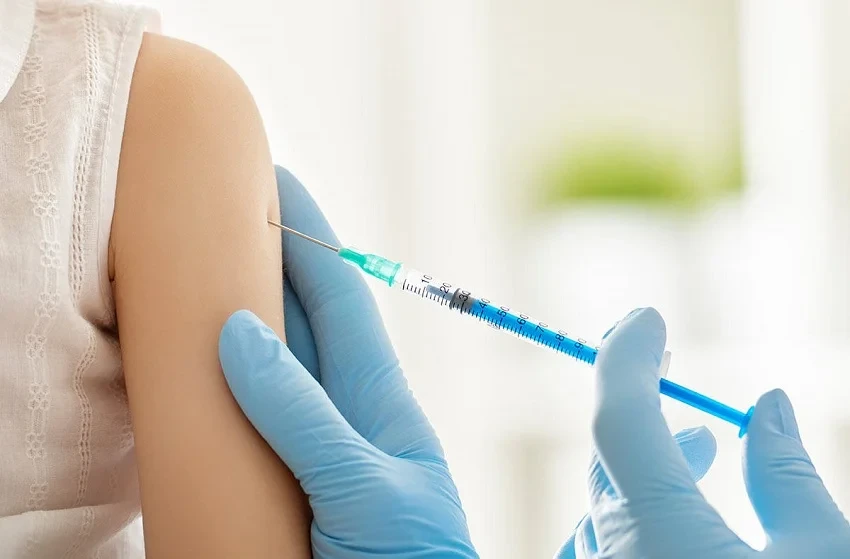
The photo on the main page is illustrative: istockphoto.com.