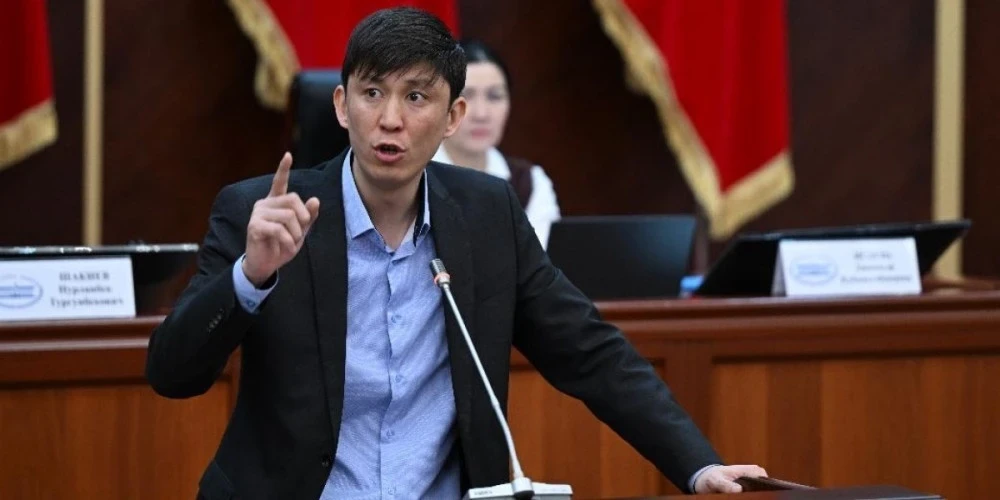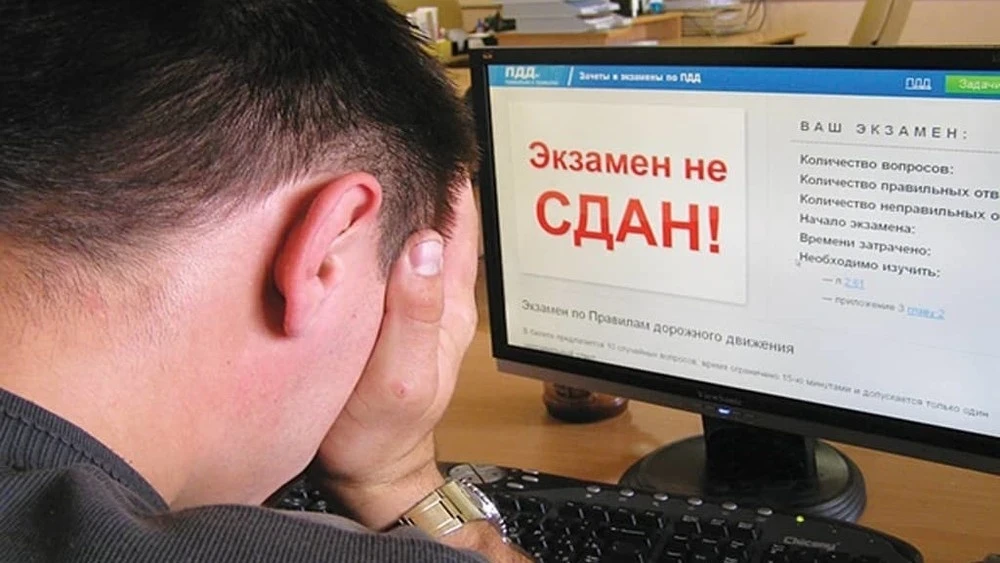
At the meeting of the Jogorku Kenesh, the draft law concerning the retesting of drivers who violated traffic rules was not considered. The majority of deputies unanimously voted to exclude it from the agenda. As noted during the discussion, the project will be returned for further consideration next week within the relevant committee, taking into account all proposals and comments.
According to the initiative, drivers who commit serious violations will be required to retake the theoretical exam on traffic rules. The authors of the project are confident that this will help improve discipline on the roads and reduce the number of traffic accidents. However, some parliamentarians expressed doubts about the implementation mechanism of this initiative, the timelines, and the organization of the retesting.
Public discussions have touched on recent cases where the deputies themselves demonstrated a lack of knowledge of traffic rules. In one of the broadcasts by NTRK, journalists asked deputies to answer a series of simple questions about traffic rules.
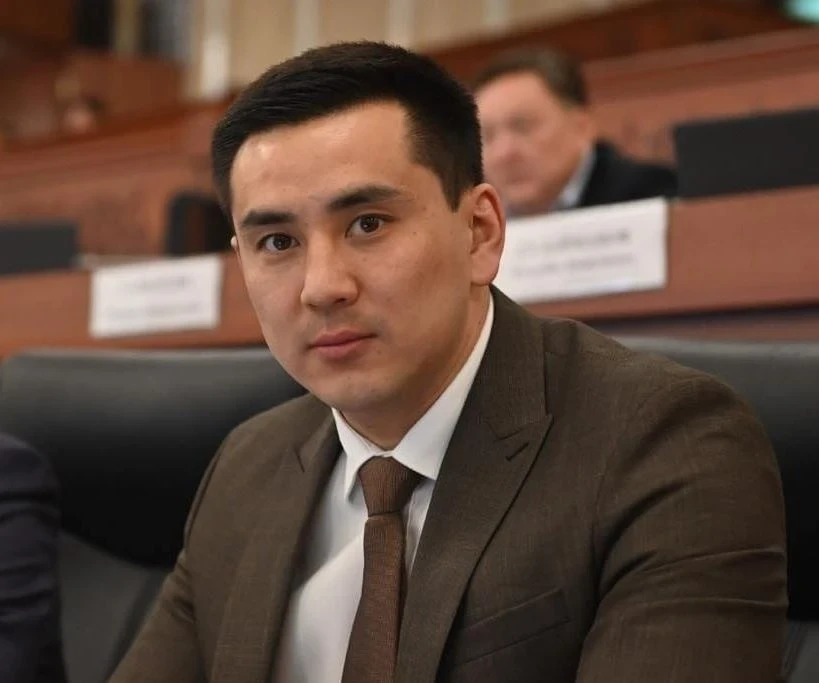
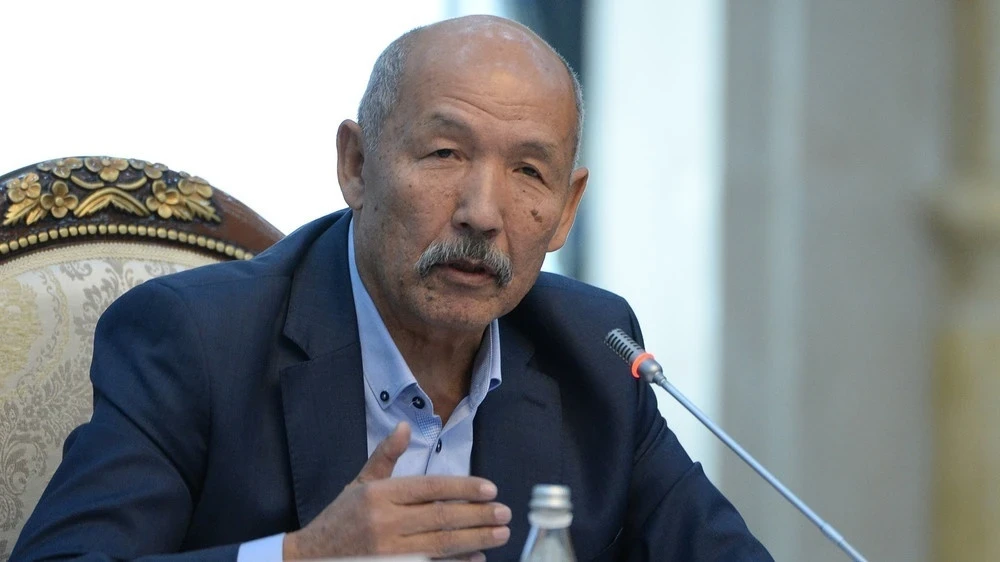
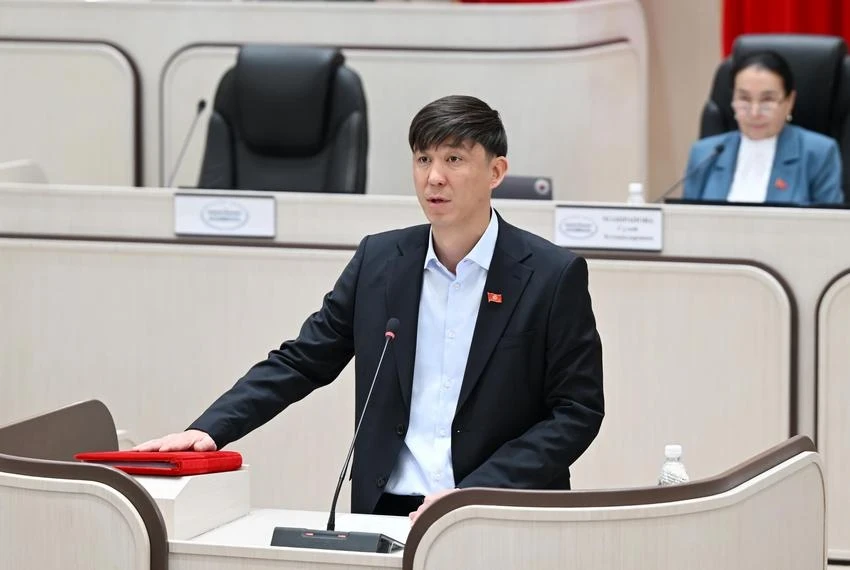
For instance, deputy Zhanibek Abirov was unable to correctly identify several basic road signs, which caused a wide resonance on social media. In the same segment, deputy Talaybek Masabirov, despite his many years of driving experience, also struggled with the answers. Other elected officials also failed to complete the task.
Additionally, the media actively discussed an incident involving deputy Eru lan Kokulov that occurred in Bishkek. While addressing a parking violation under the "No Parking" sign, the parliamentarian told the inspector that he was an "untouchable person." This video quickly went viral online, provoking public outrage, but a report was still filed.
These incidents have become a topic of discussion in Kyrgyz media, and now many users ironically note that deputies may not be in a hurry to pass the law not only due to technical issues. The topic of knowledge of traffic rules has proven to be quite relevant for society.
In the corridors of parliament, questions are being raised about the implementation of the draft law. However, public opinion increasingly indicates that if retesting is introduced for ordinary drivers, the testing requirements should be uniform for all, regardless of their position or status.
The final decision on the draft law will be made after its discussion in the committee. At the moment, the initiative remains in an uncertain state, and the discussion around it continues to gain popularity and seems likely to intensify.