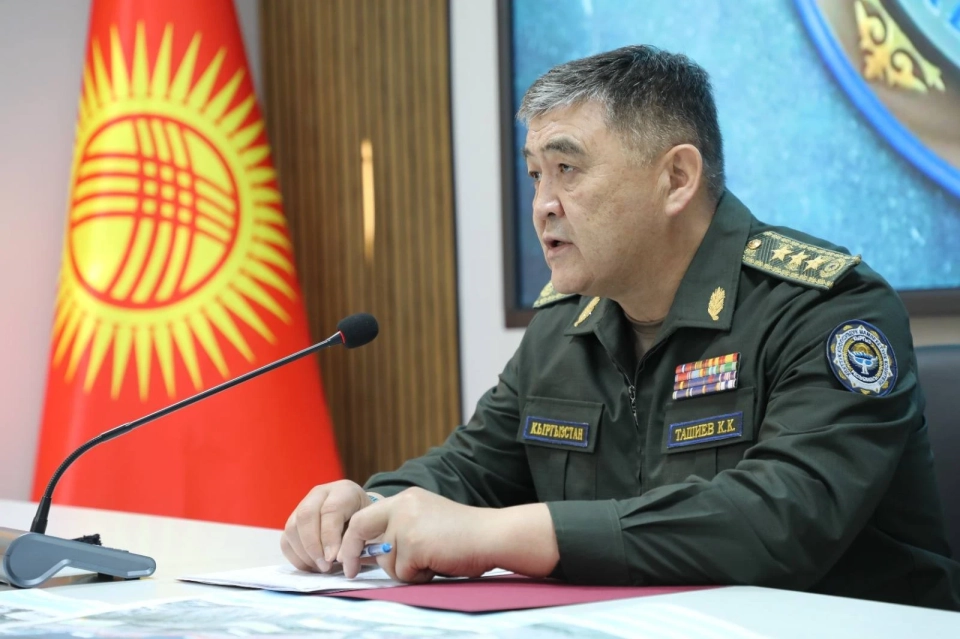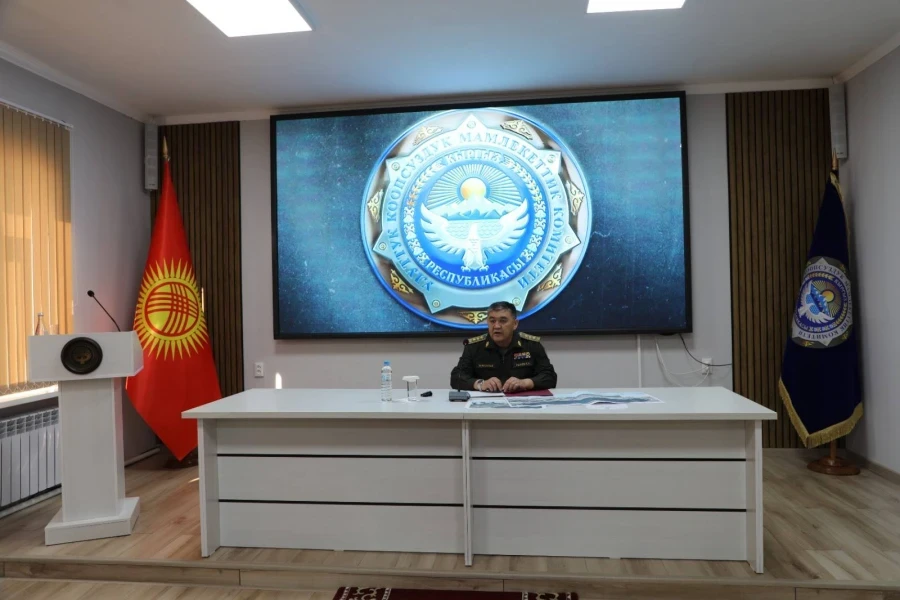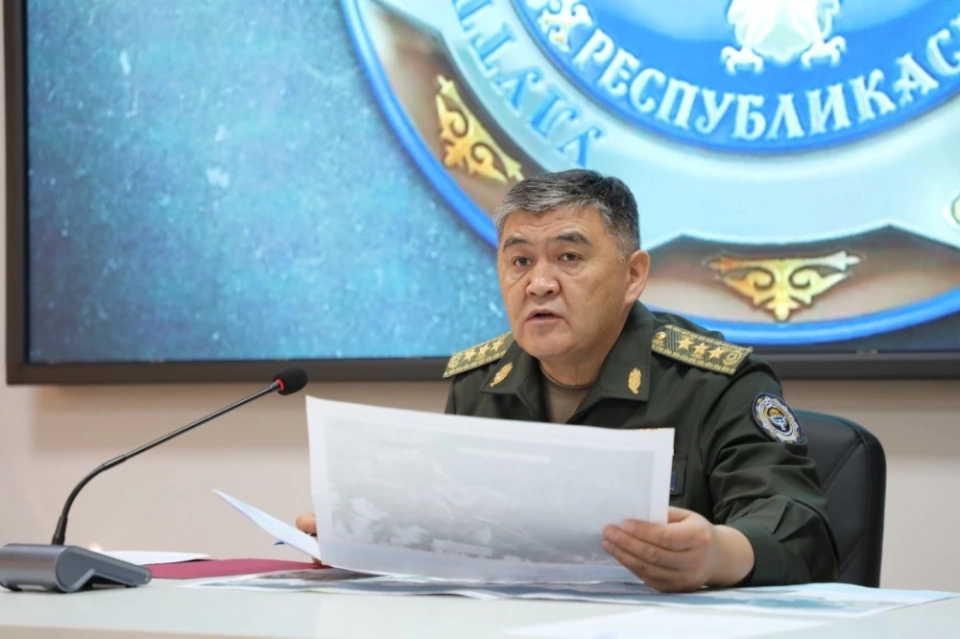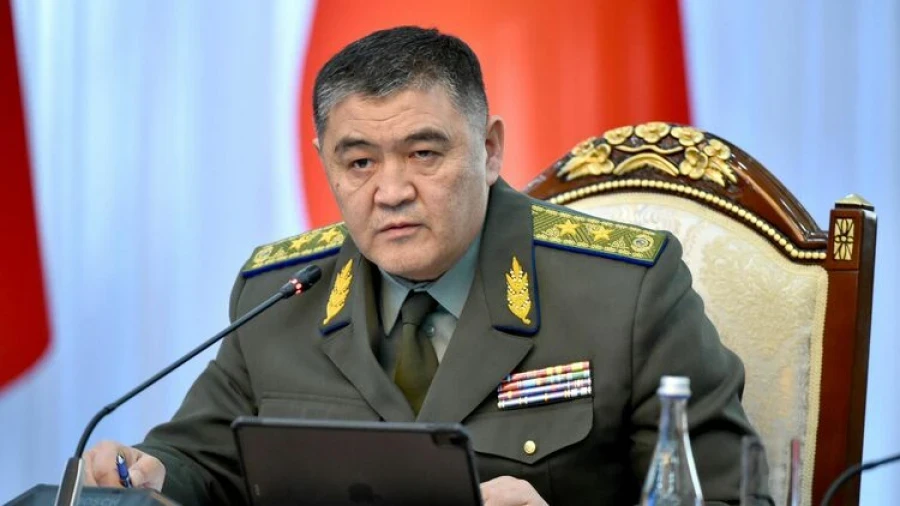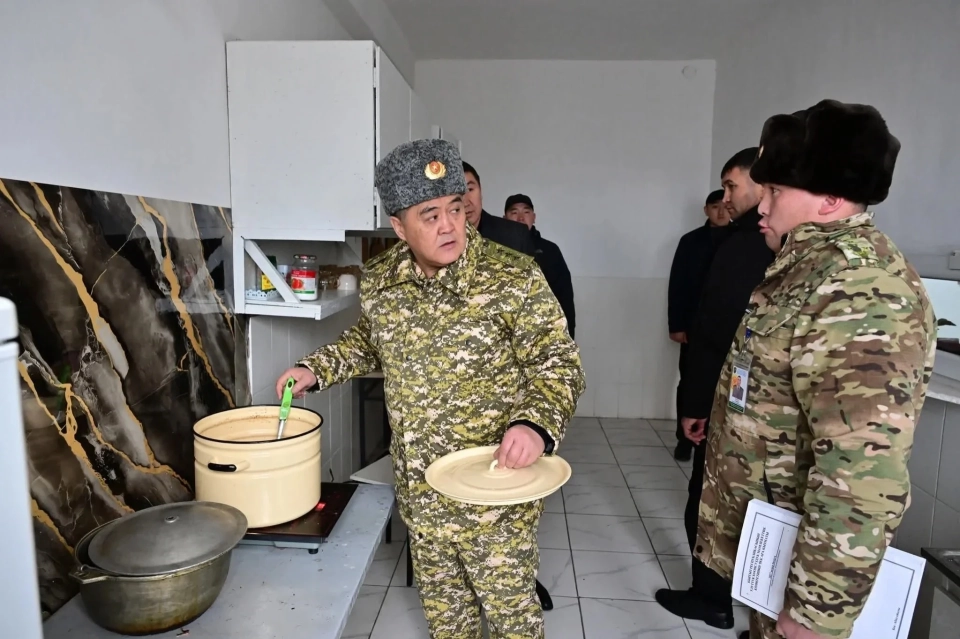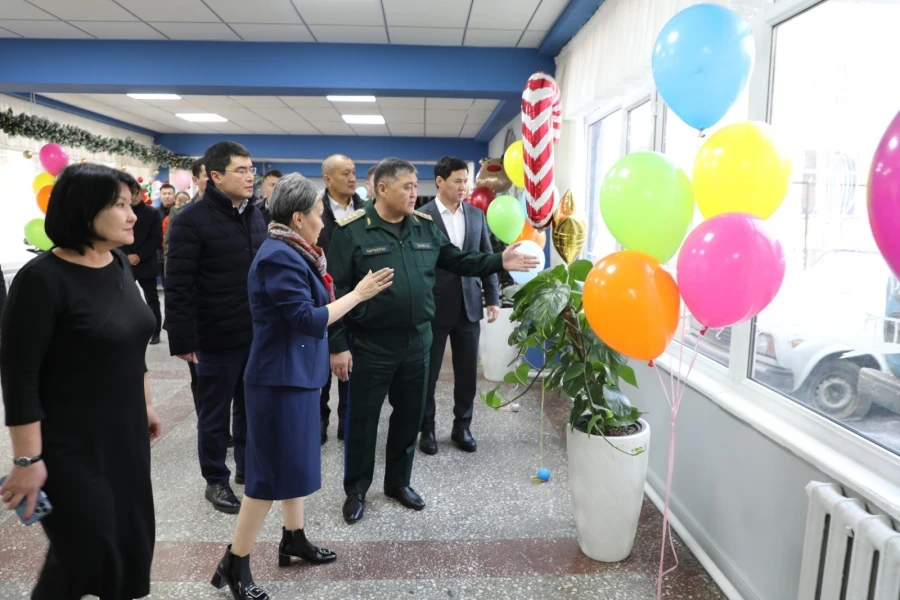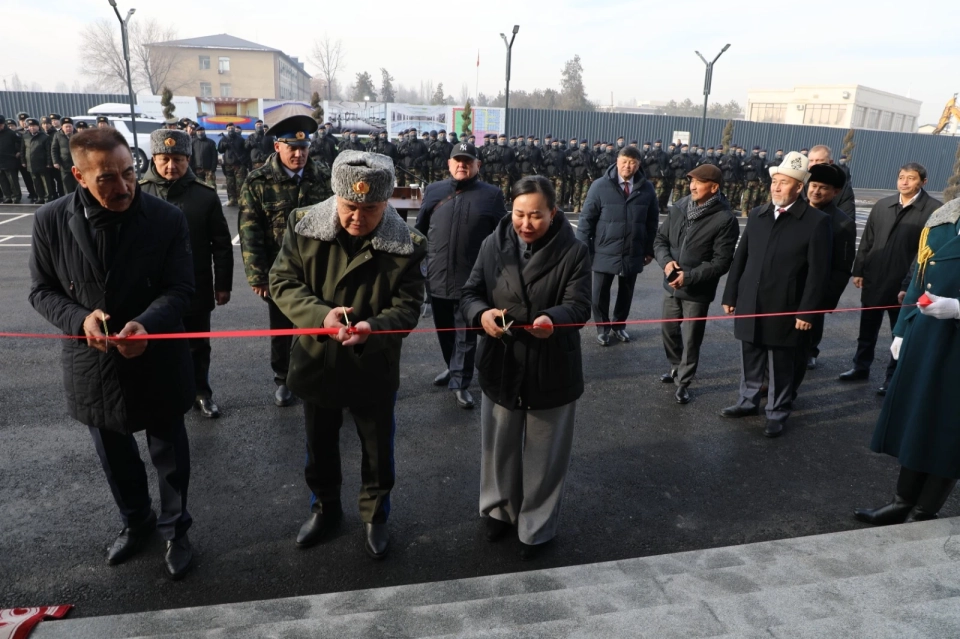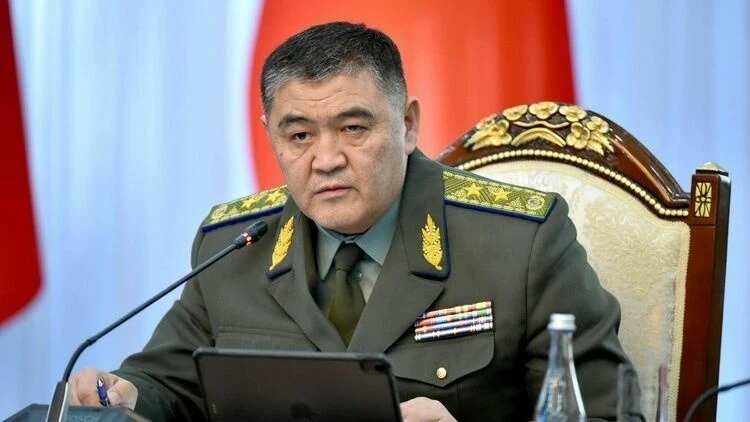
At the end of 2025, during a meeting on road construction in the Issyk-Kul region, the Chairman of the State National Security Committee, Kamchybek Tashiev, made a remark to representatives of the Chinese company China Road, which became a subject of active discussions. While discussing the Barskoon - Karakol route project, Tashiev noted that for almost 20 years of work in Kyrgyzstan, the contractor had shown no interest in learning the state language.
His words, spoken in the typical manner of the security sector, elicited a mixed reaction in society. Some interpreted them as a demand for respect for the Kyrgyz language, while others saw it as a threat to the Russian language and a hint at a tightening of language policy.
This polarization of opinions can be explained by the sensitivity of the language issue in post-Soviet countries, where language has become an important part of political identity and sovereignty.
However, it is important to consider this statement in a broader context. Constitutionally, Kyrgyzstan supports a bilingual model: the Kyrgyz language is recognized as the state language, while Russian is official. This structure has contributed to the stability of interethnic relations and the strengthening of national identity over the years.
Evidence of respect for the Russian language can be seen in both official statements and practical initiatives, such as the launch of the "Nomad TV" channel, which is aimed at the Russian-speaking audience. This underscores the state's commitment to a multilingual information space.
Moreover, the President of Kyrgyzstan, Sadyr Japarov, emphasized the importance of the Russian language for interethnic communication and education in the country during negotiations with Vladimir Putin.
Addressing the representatives of China Road, Tashiev used the Russian language, demonstrating his pragmatic approach: he chooses the language that is understandable to most foreign specialists. This indicates that the language is used as a tool for effective communication rather than as a means of pressure.
The essence of Tashiev's statement lies in business ethics. Given that China Road is actively involved in infrastructure projects and interacts with government bodies and local residents, basic proficiency in the Kyrgyz language at a business communication level can be seen not as an ultimatum, but as a sign of respect for the host party.
In many countries, knowledge of the state language is an unwritten standard for foreign companies, and Kyrgyzstan is no exception. The expectation of greater involvement from partners in the local context is becoming increasingly relevant.
Tashiev's statement reflects the state's desire to strengthen its subjectivity while maintaining international and intercultural ties. This is not a threat to the Russian language or a conflict with foreign investors, but a reminder that working in Kyrgyzstan requires respect for its linguistic and cultural institutions.
Thus, language becomes not a tool of pressure, but a marker of partnership and responsibility. It is incorrect to interpret Tashiev's words solely in an emotional context, ignoring the political and managerial backdrop. His statement is a signal that long-term presence in the country requires adaptation and understanding of local realities.
In a context of balancing national interests and openness to the world, such accents appear not radical but practical. Tashiev's personal communication style, characterized by directness and emotional intensity, does not always imply a negative subtext. The firmness of his statements is explained by the desire to convey the message as clearly as possible: for long-term work in Kyrgyzstan, understanding its language and context is essential.