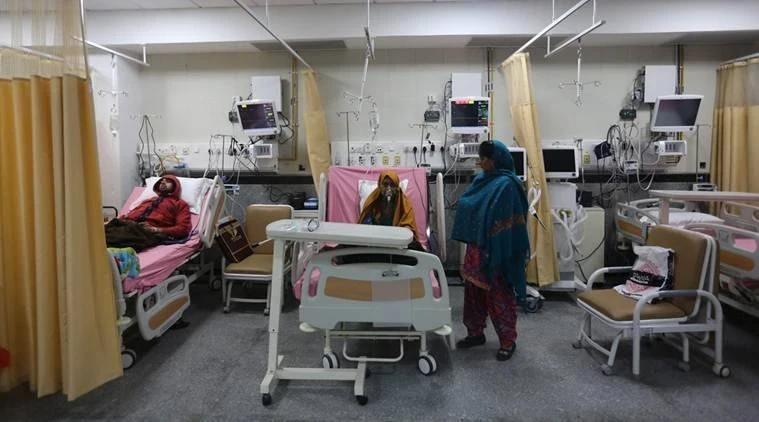
In early January, two cases of the disease were reported in the Indian state of West Bengal. Both patients are healthcare workers at a private clinic. Authorities in the country conducted monitoring and tracking of about 200 people who had contact with the infected, but no new cases were identified. Specialists found no signs of human-to-human transmission of the virus.
According to WHO, the risk of further spread of the infection at regional and global levels is assessed as low.
The organization also emphasized that based on current information, there is no need to impose restrictions on international travel and trade.
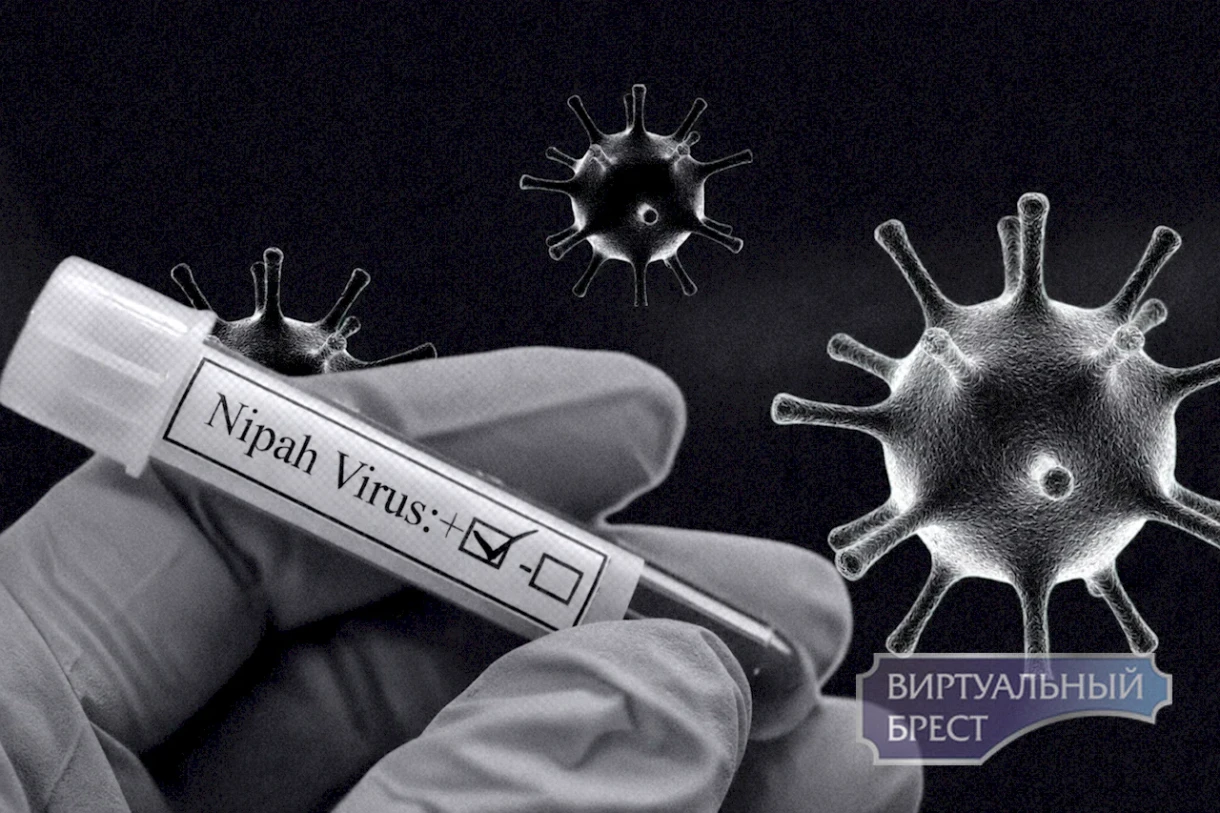
The Nipah virus is a rare but potentially dangerous infection that is transmitted from animals to humans and, in rare cases, between humans through close contact. There is currently no vaccine or specific treatment for this virus, and the mortality rate in various outbreaks has ranged from 40% to 75%.
Previously, WHO included the Nipah virus in the list of pathogens that pose a threat to global health and could cause serious international outbreaks.
In response to reports from India, Kyrgyzstan, Kazakhstan, and Uzbekistan have increased control in medical institutions at the border.