The article emphasizes that vertical transmission of the hepatitis B virus is a serious problem in perinatal medicine, as it can lead to chronic HBV infection in newborns.
The study was based on the analysis of medical data from 231 pregnant women with chronic HBV infection. The work evaluated both serological and molecular-biological parameters, as well as laboratory indicators, including APRI, which demonstrates the level of liver fibrosis.
The results showed that an increased APRI index in pregnant women is a key factor that raises the risk of giving birth to HBsAg-positive children. This highlights the need to assess the state of liver fibrosis to predict the likelihood of virus transmission.
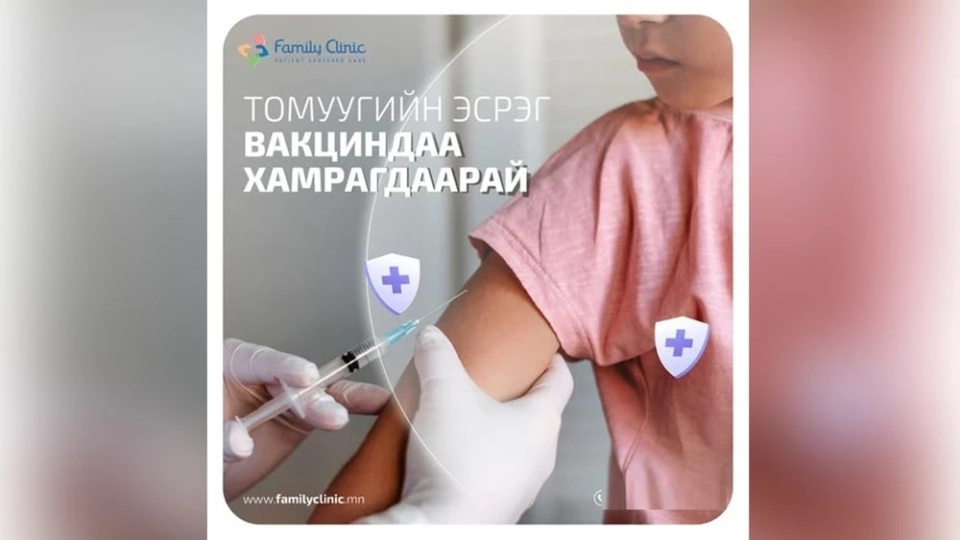
The study also confirmed the high effectiveness of combined prevention: vaccination of newborns along with the administration of specific immunoglobulin (HBIG) provided complete protection against the virus. In contrast, when only the vaccine was used, the hepatitis B virus was detected in 13.1% of children.
The article states that vertical transmission of the virus can occur at all stages of chronic HBV infection, even with low viral load. Early use of antiviral therapy with tenofovir in combination with vaccination demonstrated high effectiveness and can be considered as an alternative to regimens with HBIG.
The author of the study concluded that the best strategy for reducing the risk of hepatitis B transmission from mother to child is a combination of antiviral treatment for the mother and specific immunoprophylaxis for the newborn.