An important decision to establish the National Space Agency (NSAS) was announced by Minister of Energy and Science Tan Si Leng during the first space summit. This step is aimed at strengthening Singapore's position in the global space market, which is projected to grow to $1.8 trillion by 2035, reports Kazinform citing SCMP.
NSAS will expand the functions of the existing Office for Space Technology and Industry, which has been in operation since 2013, becoming a single center for the development of satellite programs, scientific research, and interaction with businesses. Since the beginning of 2022, Singapore has already invested over 200 million Singapore dollars in research and development in the field of space, and the establishment of this agency is expected to accelerate the commercialization of these funds.
"Singapore is the ideal launch pad for space companies in the Asia-Pacific region," emphasized Tan Si Leng, noting the country's developed financial, logistical, and technological infrastructure. He also highlighted the importance of training specialists and the authorities' intention to increase the number of local personnel to support the industry and create high-skilled jobs.
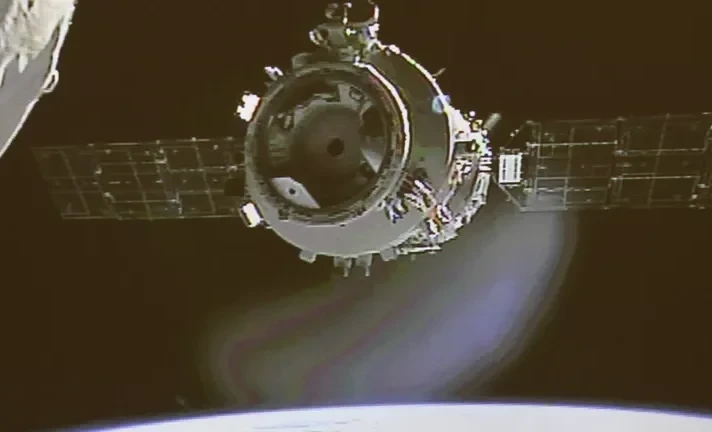
Currently, the government, in collaboration with ST Engineering, manages three Earth observation satellites, but plans to expand the orbital grouping. The authorities also plan to create an inter-agency center for analyzing satellite and geospatial data, which will be applied in port logistics, urban planning, environmental monitoring, and ensuring food security.
Singapore's equatorial location is considered a strategic advantage for the development of satellite systems capable of addressing both national and regional challenges.
"Our geographical position allows us to work more actively in the equatorial belt," noted the minister.
The initiative has been positively received by the business community and industry experts.
Cedric Ng from Space Faculty stated, "This step confirms that Singapore is ready to take a more active position in the global space ecosystem," emphasizing the importance of long-term investments in education and training young specialists. At LeoLabs, the establishment of NSAS was seen as evidence that Singapore is comparable to other countries in the region that already have their own space agencies.