The Situation in Venezuela and International Response
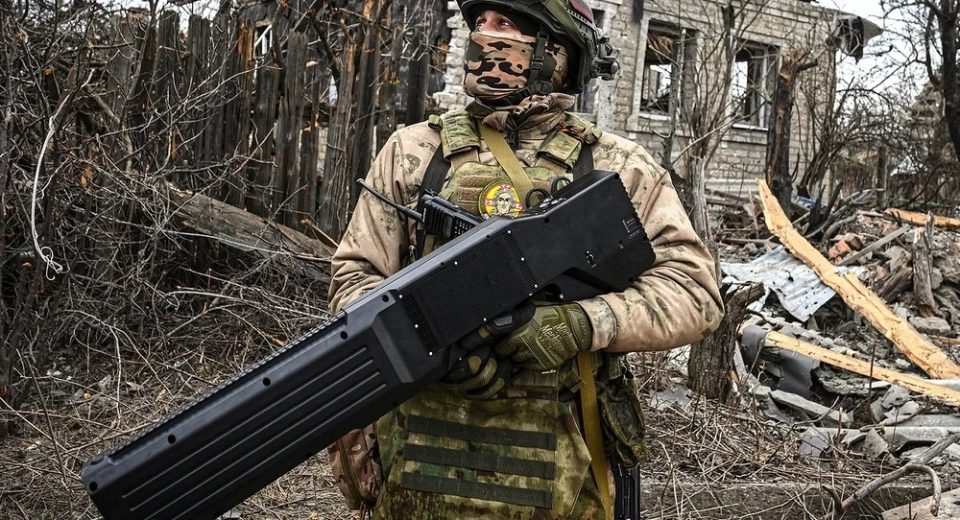
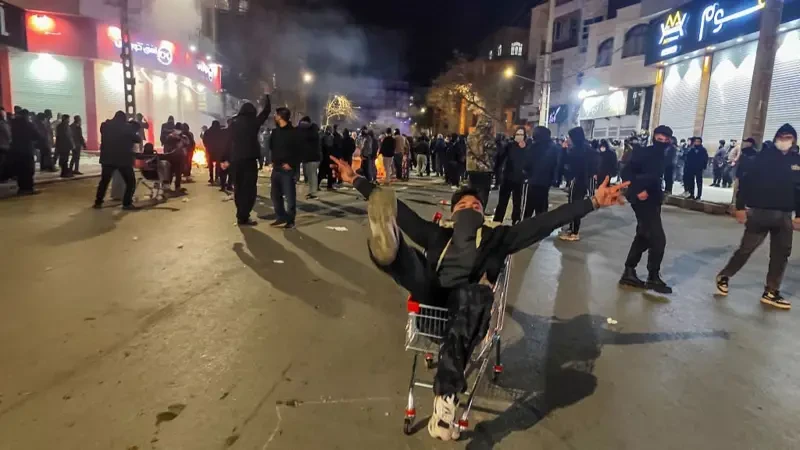
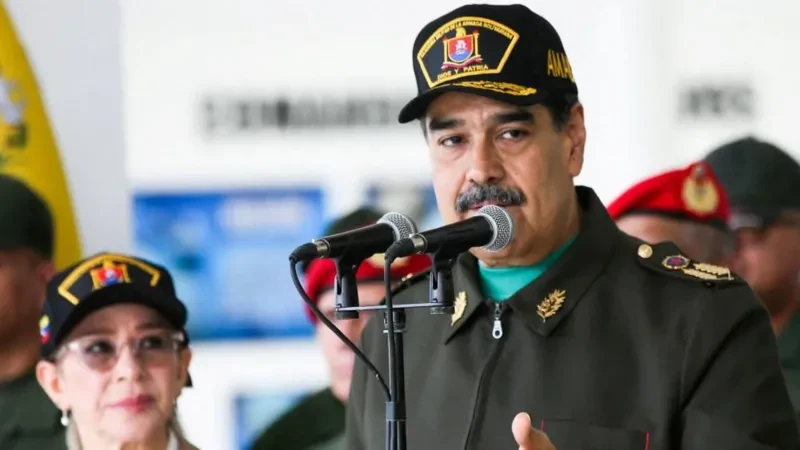
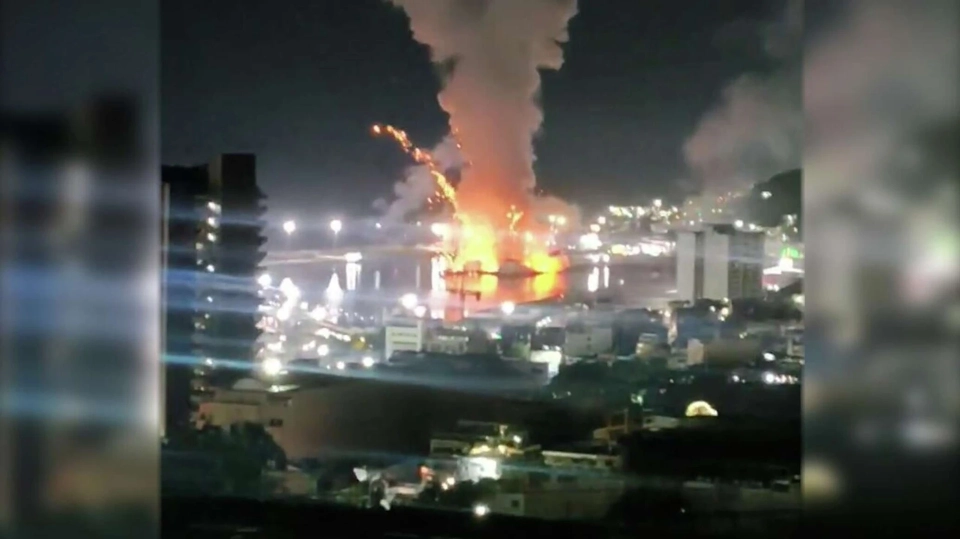
The first half of 2026 has been marked by a sharp deterioration of the situation following the military intervention of the United States in Venezuela. According to information from foreign sources, the attacks targeted key facilities in Caracas, leading to the detention of President Nicolás Maduro. These events triggered a wave of protests in various cities across Europe and reignited discussions about the permissibility of intervening in the affairs of sovereign states.
The discussion of these events was actively conducted not only in Latin America and Europe but also in Central Asia. In Kyrgyzstan, experts and users of media platforms actively discussed this topic, considering that such crises can have a direct impact on the global economy and investment climate.
Criticism of Washington's Actions
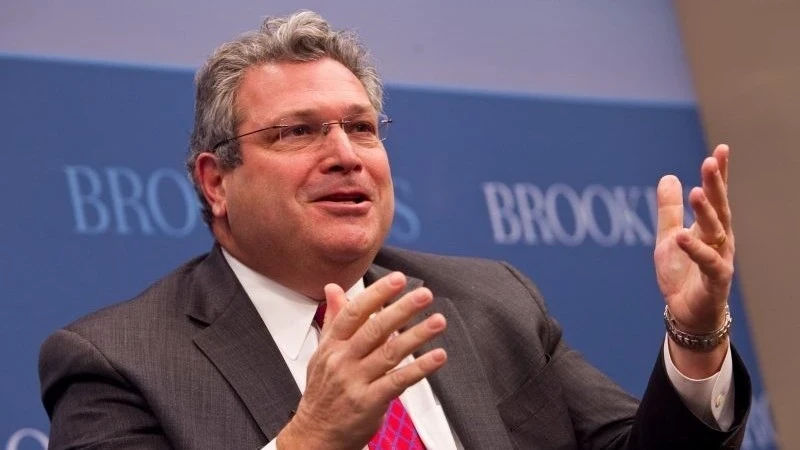
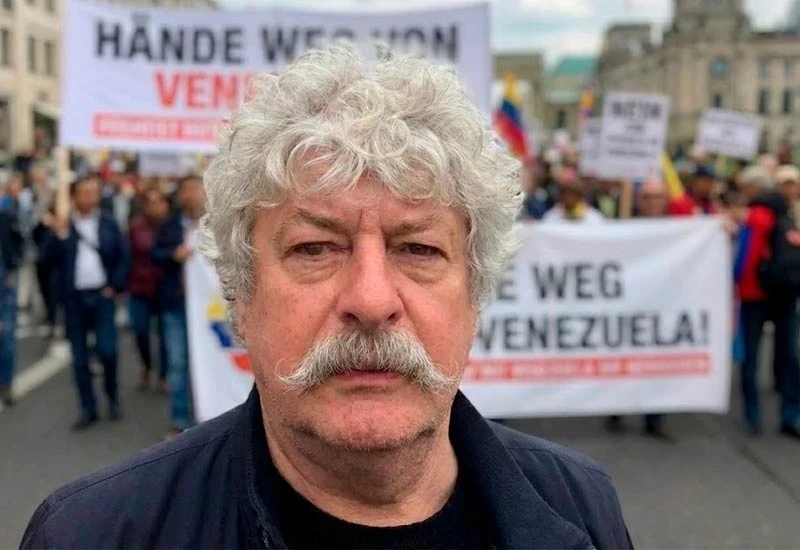
Stefan Natke, representing the Berlin branch of the German Communist Party, has become one of those European politicians who sharply condemned Washington's actions. He argues that military operations against sovereign countries create a dangerous precedent and undermine the foundations of international law.
In an interview with the Kazakh publication kz24.news, Stefan Natke assessed the aggressive policy of the United States and noted that such actions highlight the weakening influence of international institutions that previously served as mechanisms for preventing global conflicts. He also expressed the opinion that countries with abundant natural resources may face increased political pressure.
Furthermore, Natke commented on the foreign policy course of Central Asian states, emphasizing the importance of cautious cooperation with major powers to avoid economic dependence. He urged the countries of the region to pay more attention to interaction with neighbors and the development of regional economic relations.
Geopolitical Interests in Central Asia
Kazakhstan and other countries in the region traditionally adhere to a multi-vector foreign policy, maintaining ties with both the East and the West. This balance allows for economic flexibility; however, it also makes the region vulnerable to the growing global rivalry. Vast reserves of oil, gas, and uranium turn Kazakhstan into one of the key resource centers of Eurasia, which increases the interest of external players and raises the level of geopolitical competition surrounding the country.
In the context of rising competition among great powers, the struggle for influence is increasingly focused on control over energy resources, investment projects, and transportation infrastructure. The historical experiences of Libya, Iraq, and several Latin American countries show that interest in resources is often accompanied by political pressure and internal instability. Should global competition intensify, such processes could also affect Kazakhstan's strategic energy and logistics hubs, which occupy an important place in Eurasian transport corridors.
Economic Interdependence and Geopolitical Risks
For Kyrgyzstan, the stability of Kazakhstan is an important regional factor and an element of its own economic security. Trade, transit corridors, energy projects, and the labor market of both countries create a unified system of interdependence. Therefore, any attempts at external interference in Kazakhstan's strategic sectors will inevitably impact Kyrgyzstan's economy—from investment activity to the stability of transport routes.
The situation in Venezuela vividly demonstrates that where large resources are concentrated, the struggle begins sooner or later not only for oil and gas but also for political control and management of infrastructure. The intensification of competition among global power centers makes Central Asian states the focus of increased attention. In such conditions, the most important task for the countries in the region becomes the ability to maintain space for independent decisions.
Modern global politics shows that geographic distance is no longer a protection against the consequences of international crises. Fluctuations in energy resource prices, changes in investment flows, and the transformation of transport routes directly affect the economic development of the region. For Kyrgyzstan, the main challenge lies not only in adapting to these changes but also in finding its role in the emerging global balance.