The hurricane, which began its path on February 7, struck the mainland of Portugal south of Lisbon, causing significant damage with heavy rains and wind gusts exceeding 70 km/h. It is moving north, bringing new precipitation with it.
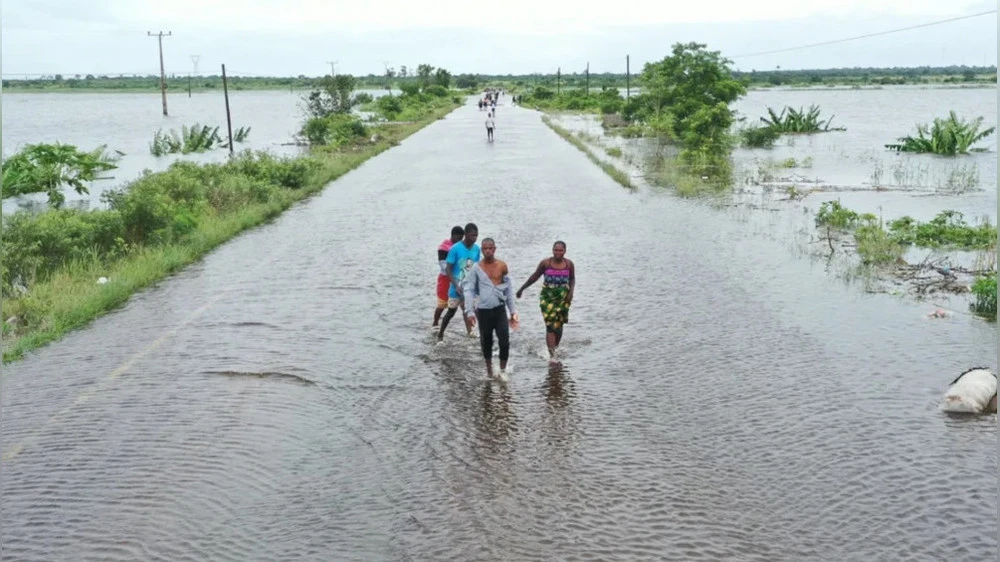
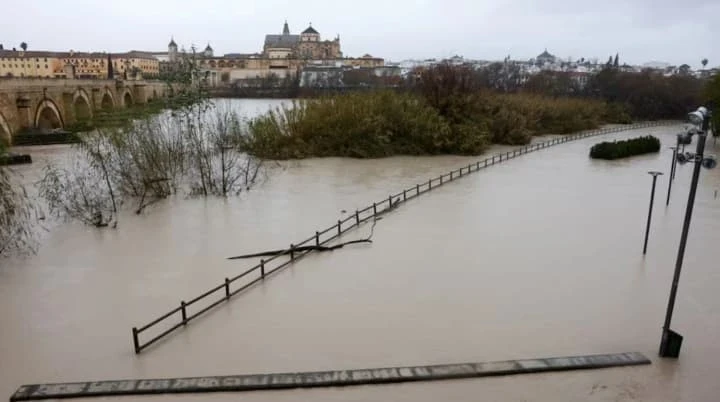
After recent floods caused by a "caravan of hurricanes" in Portugal and the Iberian Peninsula, hundreds of roads have been blocked, rail services interrupted, and thousands of people have been forced to leave their homes due to rising water levels. The bad weather also forced three municipalities to postpone the presidential elections scheduled for February 8 to the following week.
Portugal has already experienced the effects of storms "Cristina" and "Leonardo," which resulted in five deaths, numerous injuries, and tens of thousands of power outages. Hurricane "Marta" has continued this unfavorable period, and the government has extended the state of emergency until February 15.
Currently, "Marta" is moving towards Spain. The Spanish meteorological agency warns that the hurricane will bring heavy rains to the southern regions of the country, which have already suffered from abundant precipitation in recent days. In Andalusia, especially in cities like Cadiz, Seville, and Malaga, rainfall levels may exceed 80 liters per square meter in 12 hours and reach 100-150 liters in 24 hours in places like Grazalema.
Spanish authorities state that this precipitation will fall on already moisture-saturated soils, leading to rising water levels in rivers and reservoirs to critical marks, increasing the risk of flooding. Special attention is being paid to the Guadalquivir basin, where monitoring of the situation will be particularly thorough.