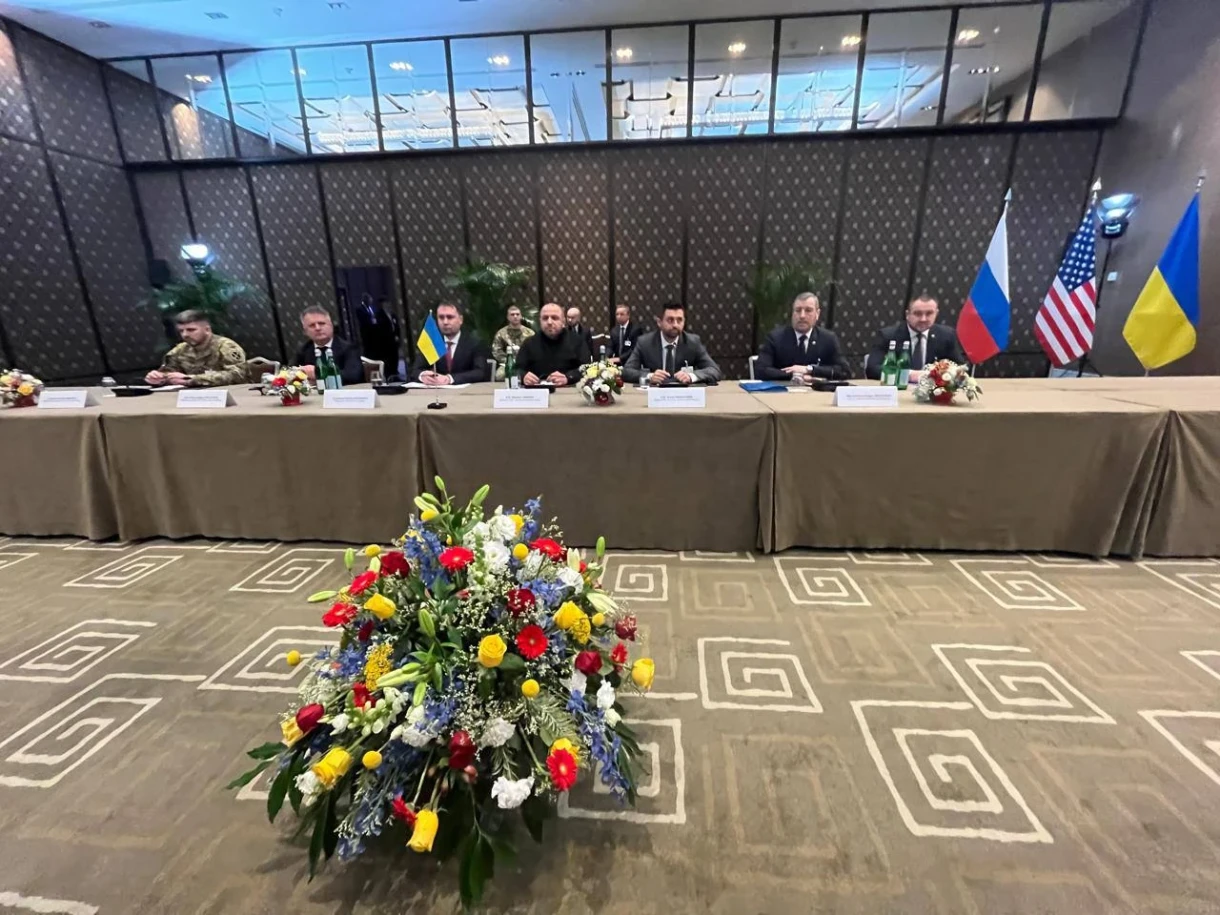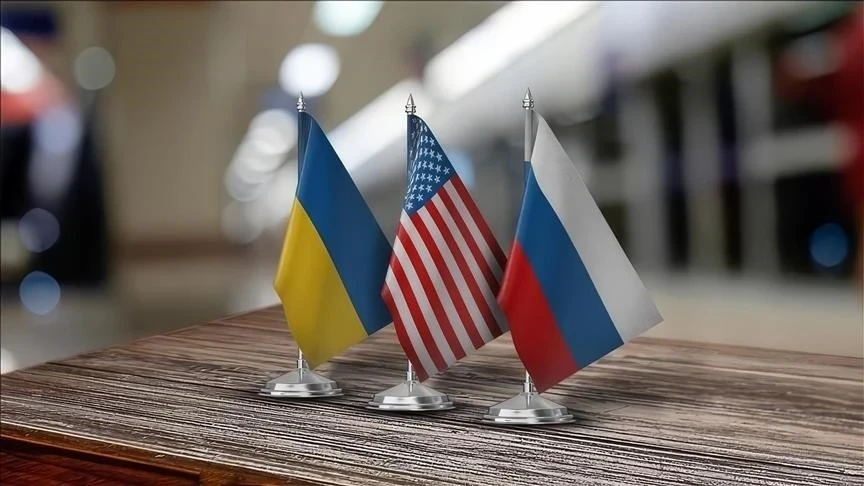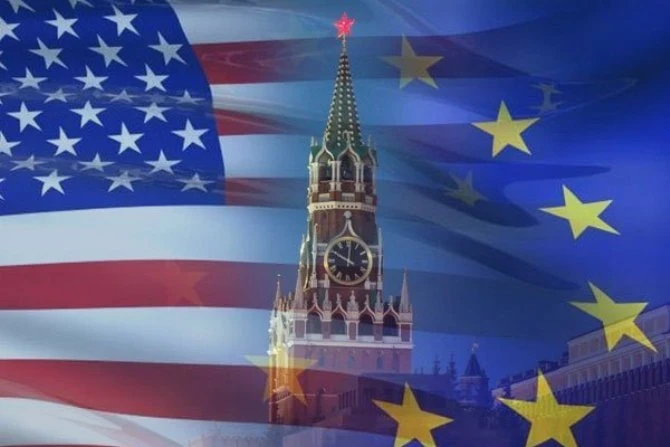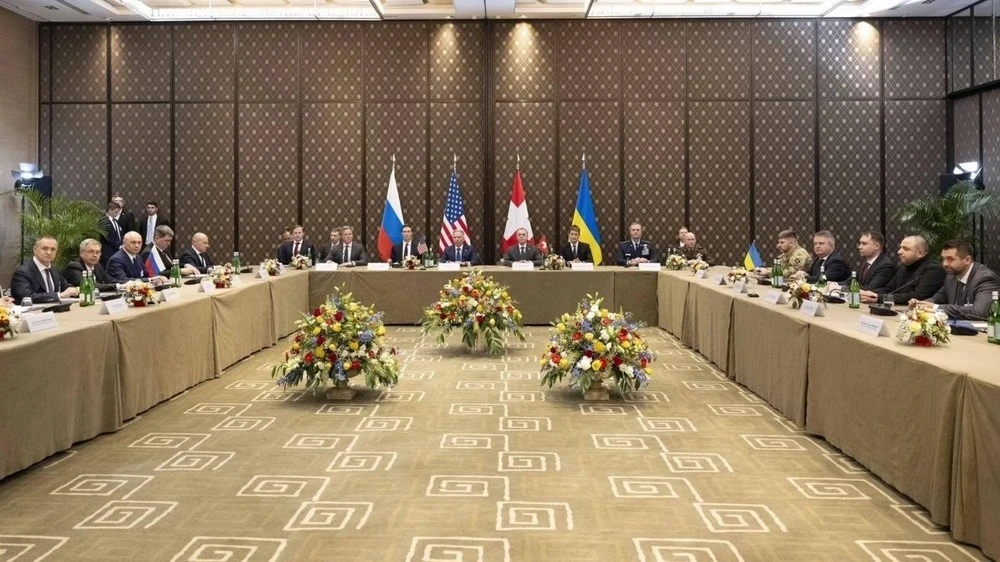
On February 17, the first day of a new round of trilateral negotiations aimed at resolving the conflict between Russia and Ukraine began in Geneva, Switzerland. The venue for the meetings, which are closed to the press, was chosen in one of the local hotels.
Sessions involving delegations from the USA, Ukraine, and Russia will continue on Wednesday. The head of the Ukrainian delegation, Rustem Umerov, who also serves as the Secretary of the National Security and Defense Council of Ukraine, reported that discussions focused on practical aspects and mechanisms for possible solutions. This information was published by him on social media on his page.
According to a TASS source, the duration of discussions on Tuesday was about six hours; however, no official statements were made following the first meeting. The source also indicated that the negotiations were held in a tense atmosphere.
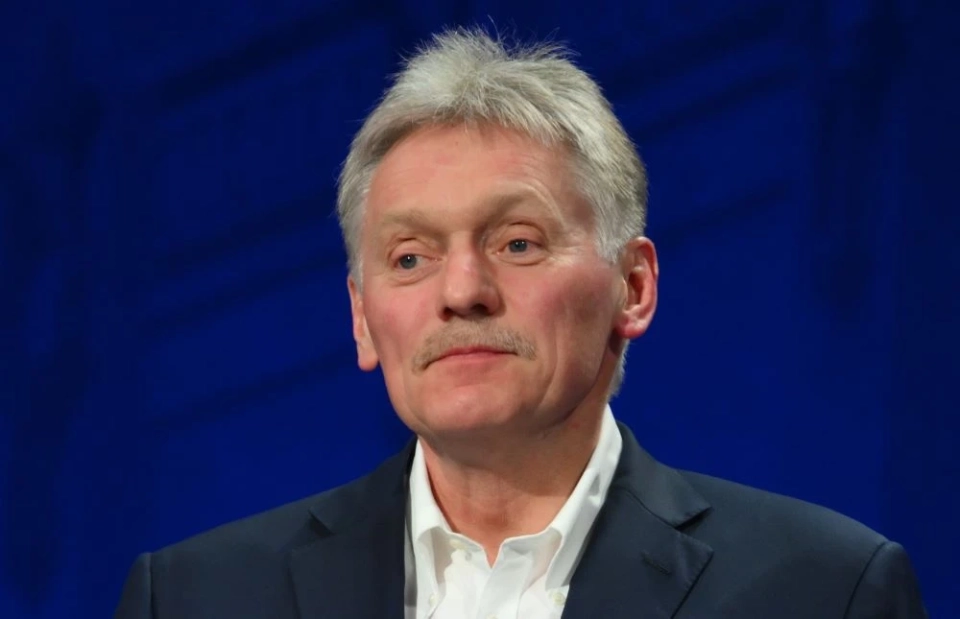
Before the start of the negotiations, Kremlin spokesman Dmitry Peskov informed Russian journalists that no news should be expected at the end of the first day. "I don't think there will be any news today, as the work will continue tomorrow," he noted. Peskov also emphasized that a wider range of issues, including those related to territories, would be discussed in the negotiations in Geneva.
Advisor to the Office of the President of Ukraine, Sergey Leshchenko, confirmed the presence of representatives from key European allies of Ukraine—France, Germany, Italy, and the United Kingdom—at the negotiations. He noted that advisors on national security from these countries are in the city.
The Russian delegation, as reported by TASS, arrived on Tuesday under police protection. It consists of 15 to 20 people and is once again headed by Vladimir Medinsky, an aide to the President of Russia. He previously led negotiations in 2022 and participated in resumed meetings in Istanbul in 2025.
The Special Representative of the President of Russia for Investment and Economic Cooperation, Kirill Dmitriev, is also present in Geneva. His goal is to establish economic ties between Moscow and Washington through contacts with the American delegation.
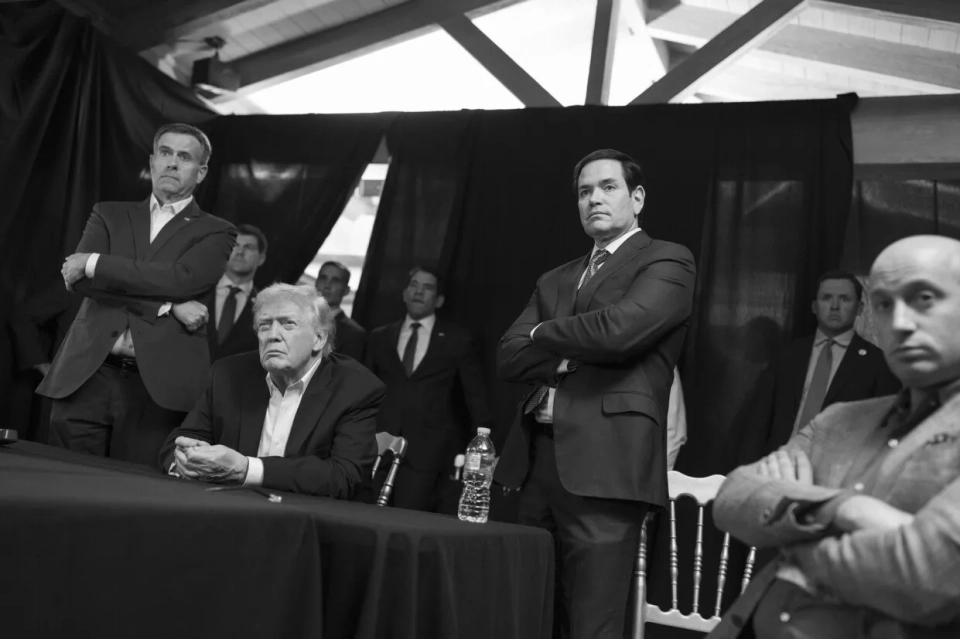
The American delegation includes the Special Envoy of President Donald Trump, Steve Witkoff, his son-in-law Jared Kushner, U.S. Army Secretary Dan Driscoll, and the Supreme Commander of NATO forces in Europe, Alex Grinkevich.
The Ukrainian delegation includes: Rustem Umerov, Kirill Budanov (head of the President's Office), Sergey Kislitsa (deputy to Budanov), Andrey Gnatov (Chief of the General Staff of the Armed Forces of Ukraine), David Arakhamia (head of the "Servant of the People" faction), and Vadim Skibitsky (deputy head of the Main Intelligence Directorate of the Ministry of Defense).
Earlier, Donald Trump noted that the USA was close to resolving the conflict. The last round of negotiations took place on February 4-5 in Abu Dhabi and was characterized as constructive, resulting in Russia and Ukraine exchanging prisoners of war in a ratio of 157 to 157.
The parties acknowledge that one of the most challenging issues remains territorial disputes. Russia demands the withdrawal of Ukrainian troops from Donbas, while Kyiv refuses to make concessions and maintains a tough stance. The President of Ukraine has repeatedly emphasized that the country does not intend to "gift" its territories.