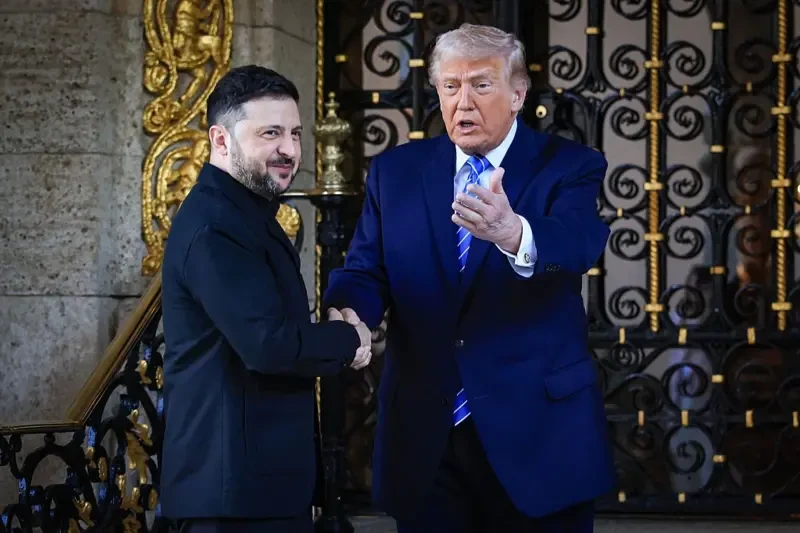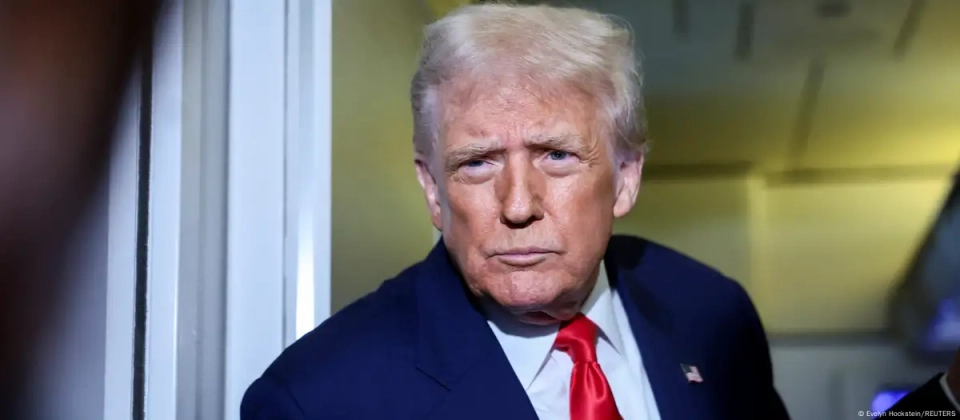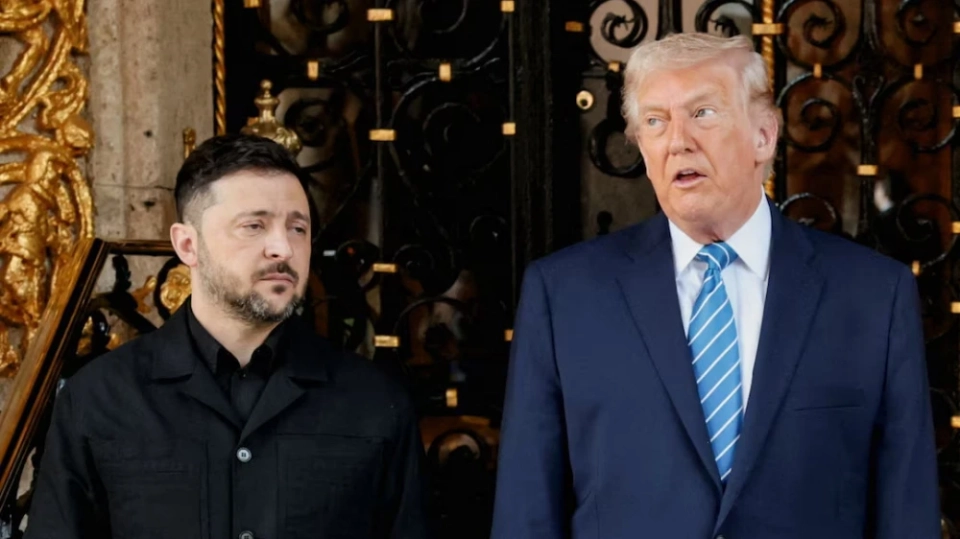
U.S. President Donald Trump has decided to extend the sanctions regime against Russia for another year. These measures were introduced after the annexation of Crimea in 2014. The document confirming this decision was published on February 19 in the electronic database of the U.S. Federal Register.
The text states: "I am extending for one year the state of emergency declared in Executive Order No. 13660." This order was originally signed by then-President Barack Obama on March 6, 2014.
This regime allows for the freezing of assets of both individuals and legal entities that the U.S. accuses of "undermining democratic processes and institutions in Ukraine," as well as creating a threat to its peace, security, and sovereignty. Since then, the sanctions have been repeatedly extended.
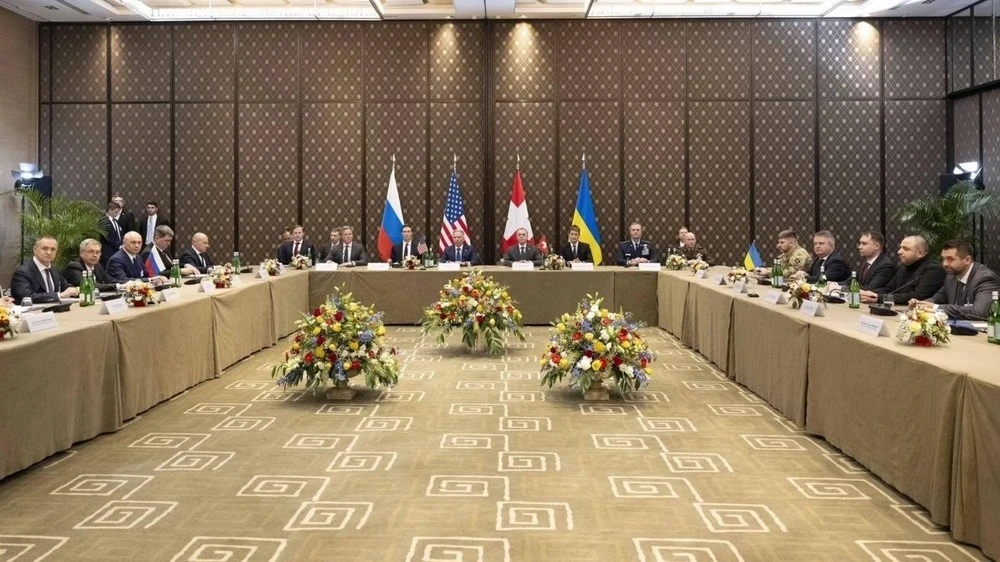
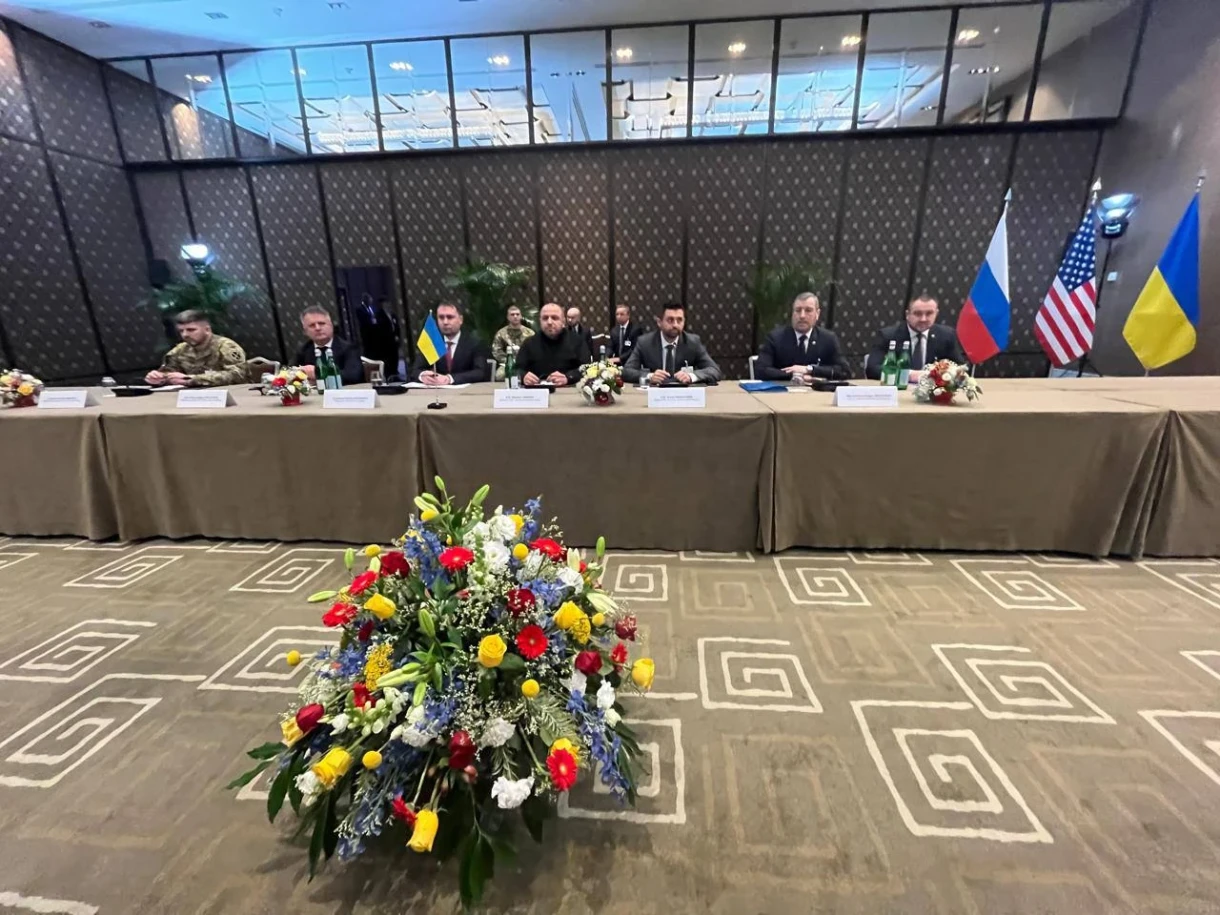
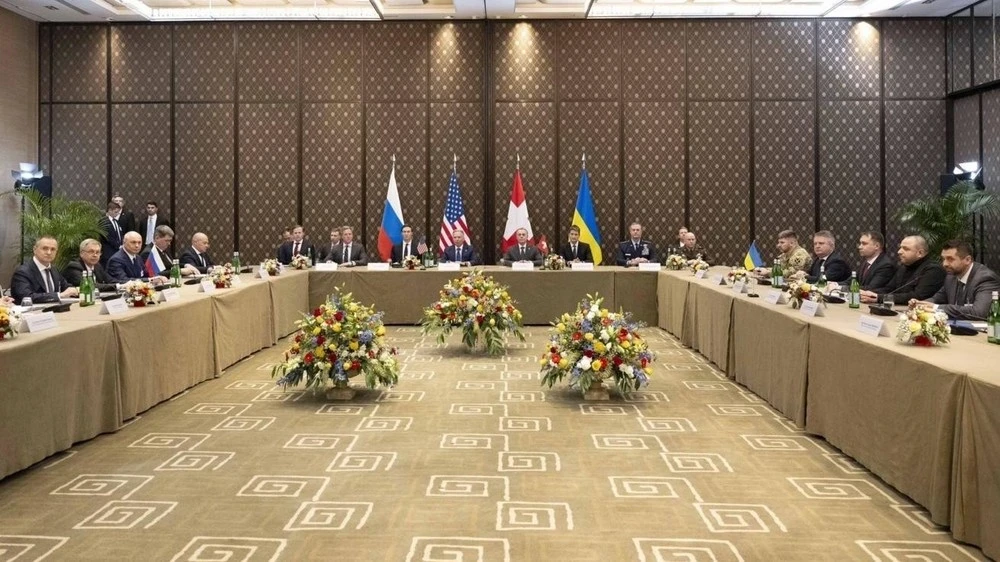
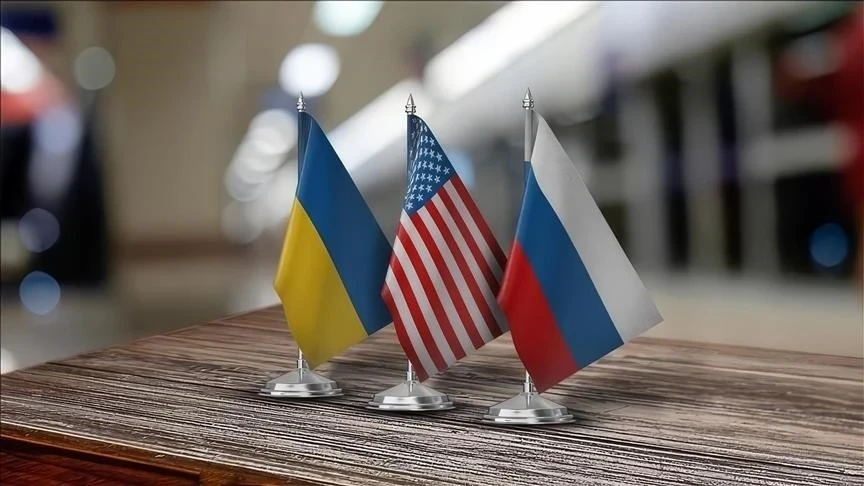
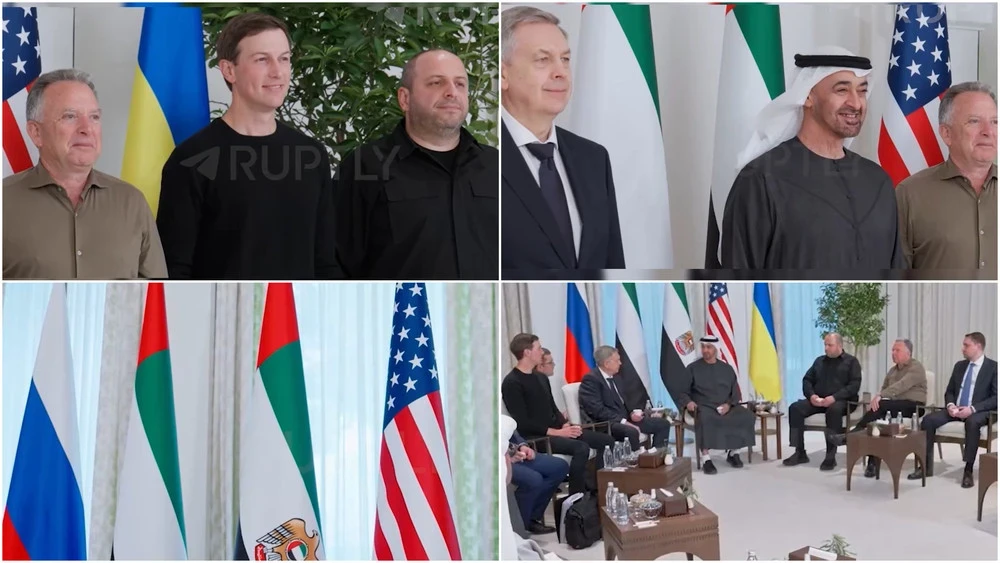
This decision was made against the backdrop of ongoing international consultations for a peaceful resolution of the conflict in Ukraine. Negotiations in Geneva took place on February 17-18 with the participation of delegations from Russia, Ukraine, and the U.S.
Vladimir Medinsky, head of the Russian delegation, described the meetings as difficult but constructive, noting that discussions took place in various formats and lasted for two days. He added that the next round of negotiations may take place soon, but the exact date has not yet been determined.
Rustem Umerov, Secretary of the National Security and Defense Council of Ukraine and head of the Ukrainian delegation, reported that the parties managed to clarify the situation on several issues, but the details of the negotiations are not subject to disclosure. He also characterized the discussions with the Russian side as "intensive and substantive."