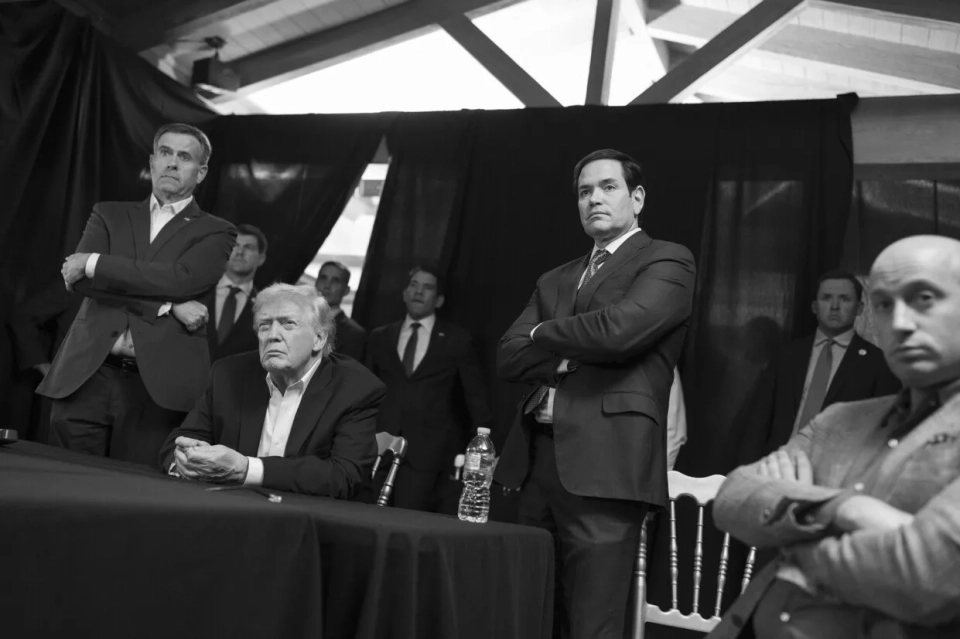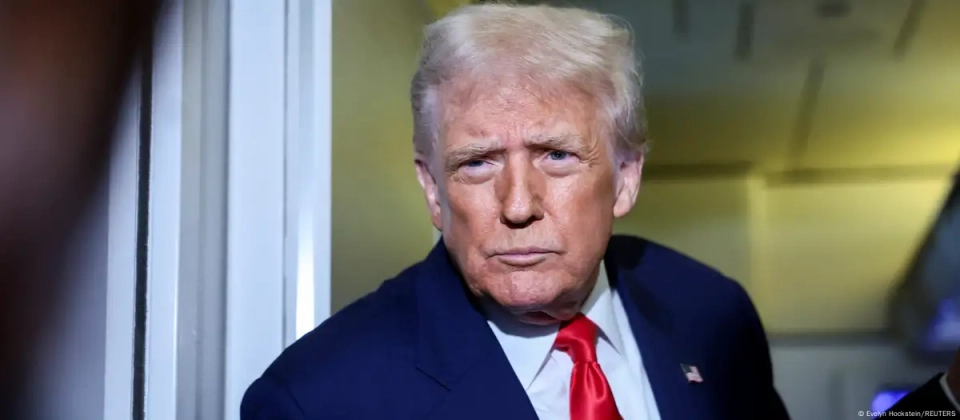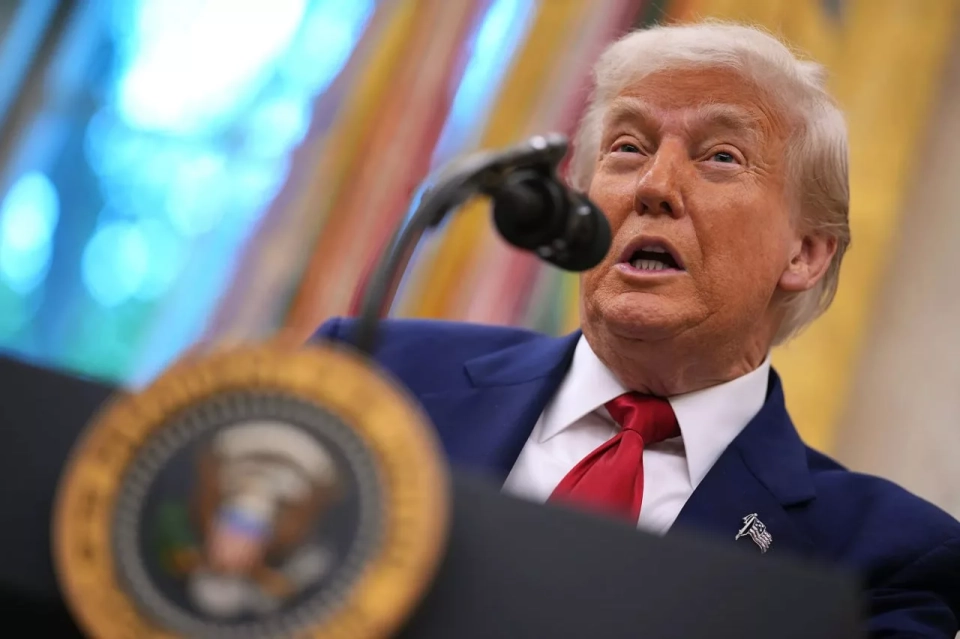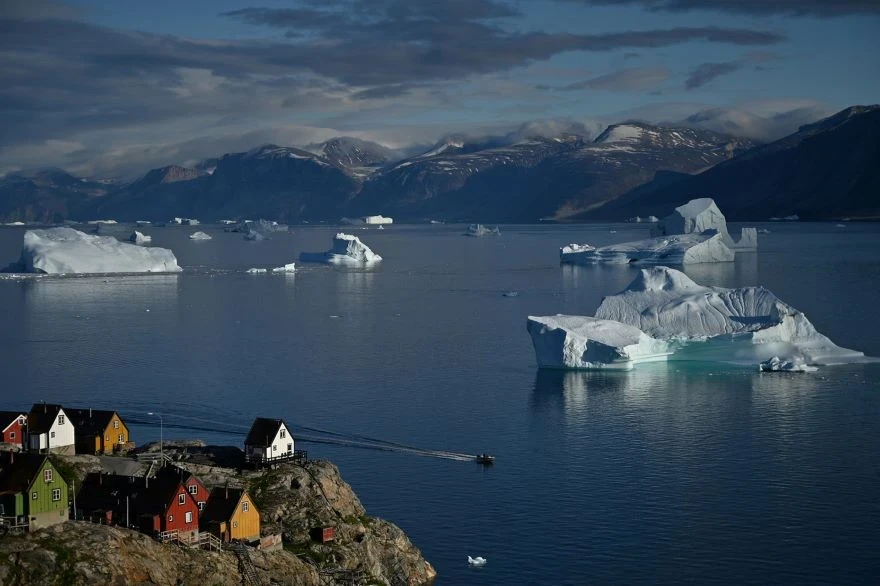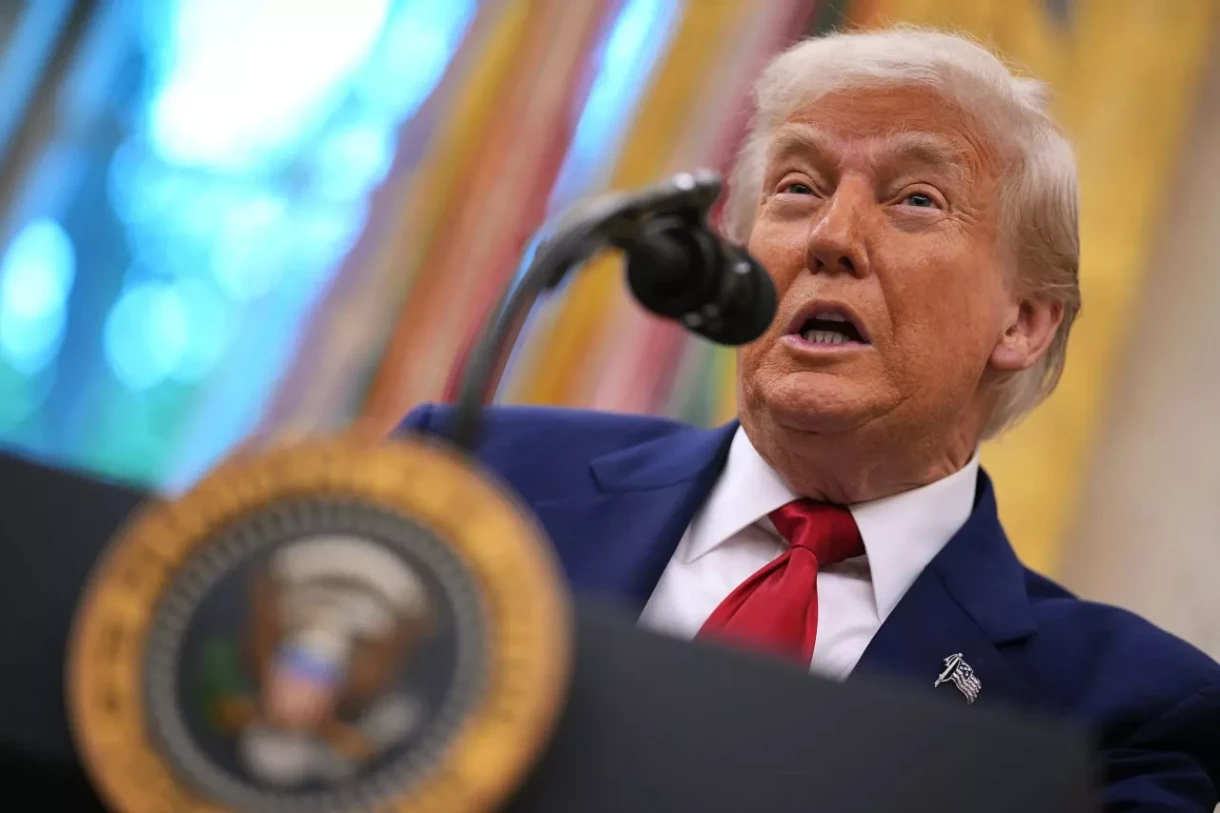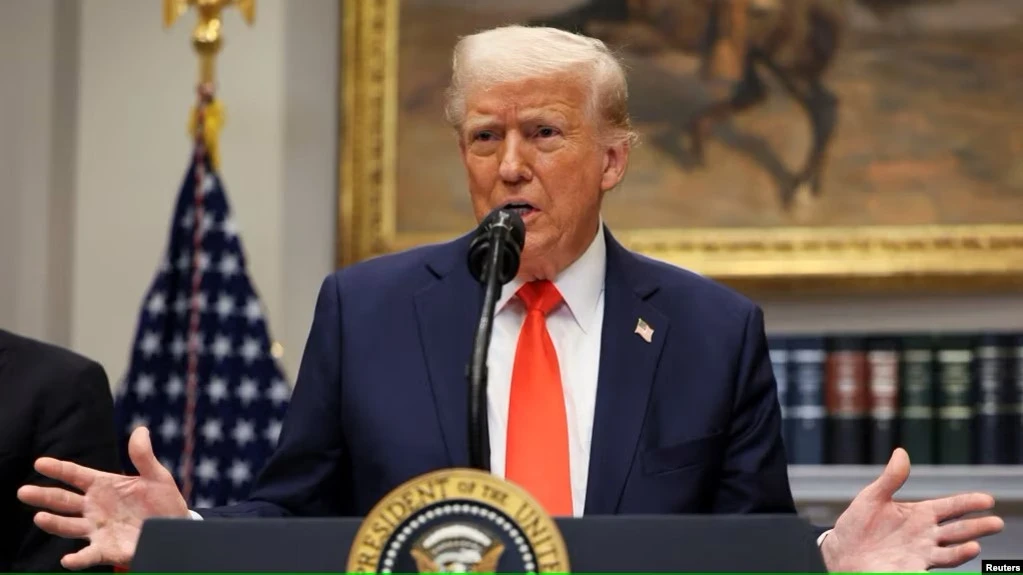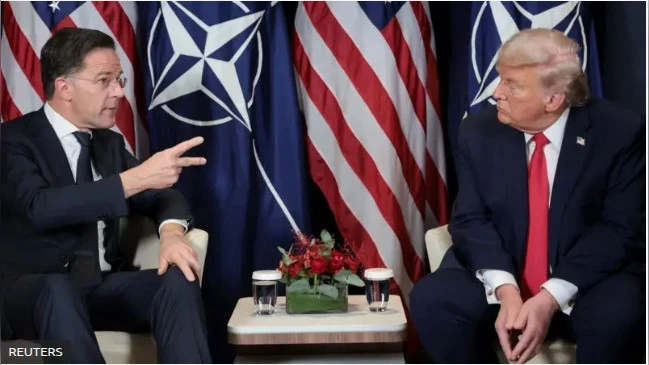
According to Trump, the negotiations were successful, and the leaders of both countries reached a "framework for a future deal on Greenland," which they hope will benefit both the U.S. and all NATO members.
The President noted: "Based on this understanding, I will not impose tariffs that were set to take effect on February 1," — this information was posted on the Truth Social platform.
The previously announced tariffs, which were to start at 10% on goods from France, Germany, the UK, Denmark, Sweden, Norway, the Netherlands, and one other country, were planned to increase to 25% by June.
Trump insisted that tariffs remain in place until European countries agree to sell Greenland to the U.S. from Denmark.
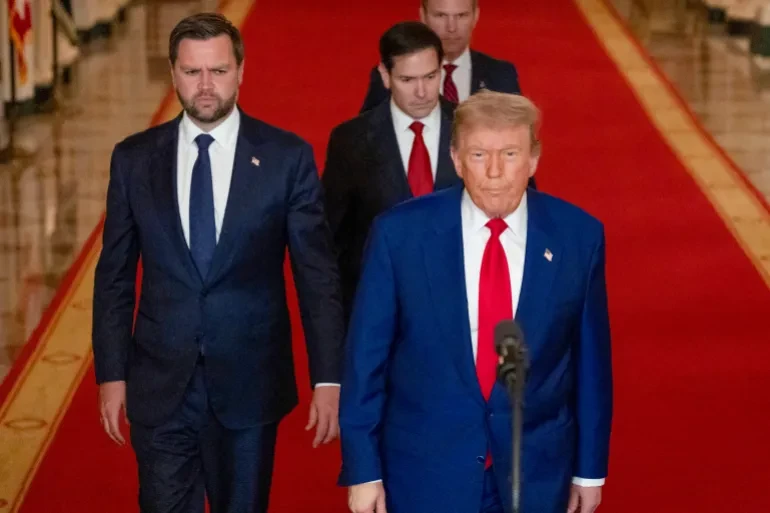
U.S. Vice President JD Vance, Secretary of State Marco Rubio, and Special Envoy Steve Witkoff will conduct further negotiations and report directly to Trump.
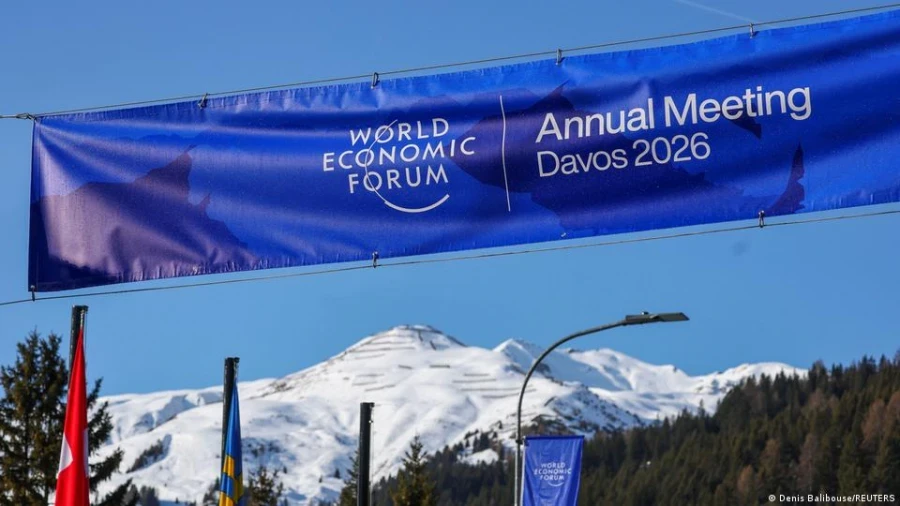
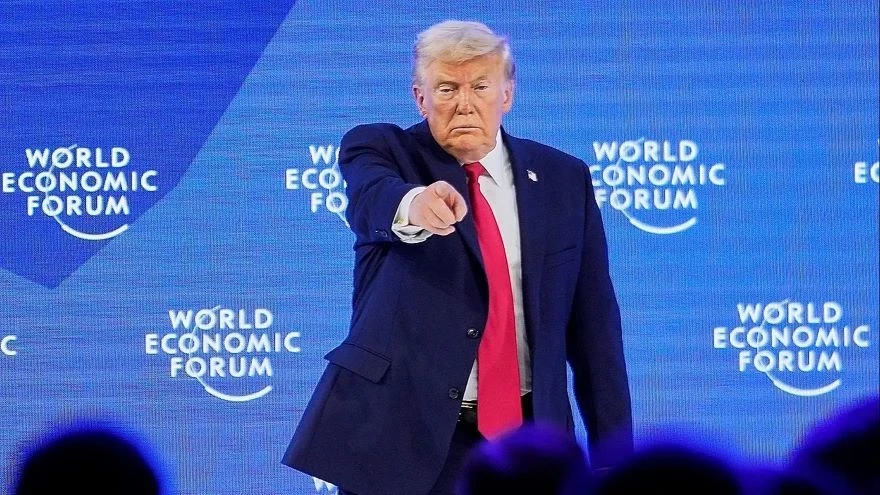
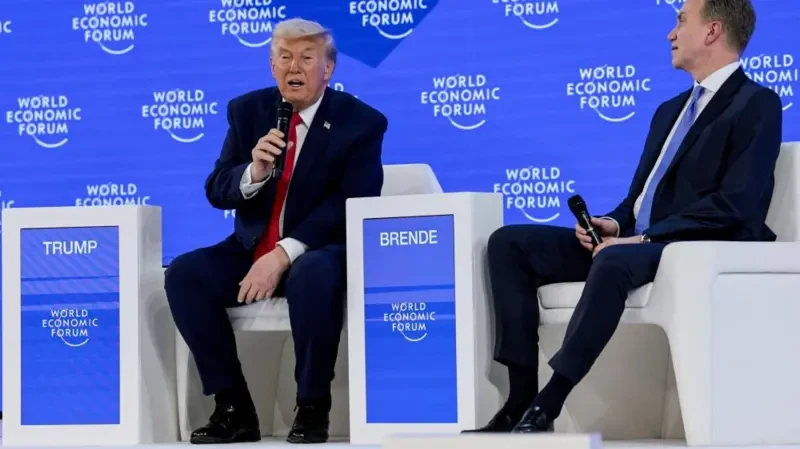
This statement was made after Trump's speech in Davos, where he emphasized the importance of Greenland for U.S. security and global stability, suggesting NATO members agree to U.S. control over the island, adding that this would be "very valuable."
Additionally, Trump ruled out the possibility of using force to gain control over the Arctic island.
In his speech in Davos, Rutte called for "thoughtful diplomacy," noting the existing tensions within NATO and expressing a willingness to seek solutions regarding Greenland.
Earlier this week, Trump published a private message from Rutte, in which the latter promised to work on resolving the issue.
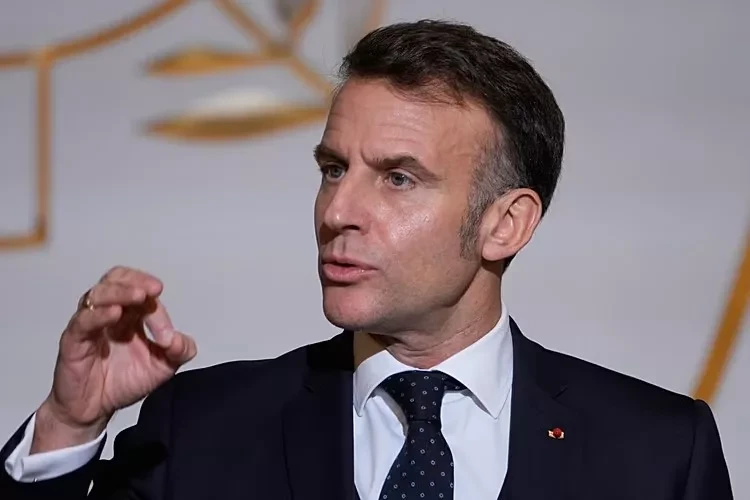
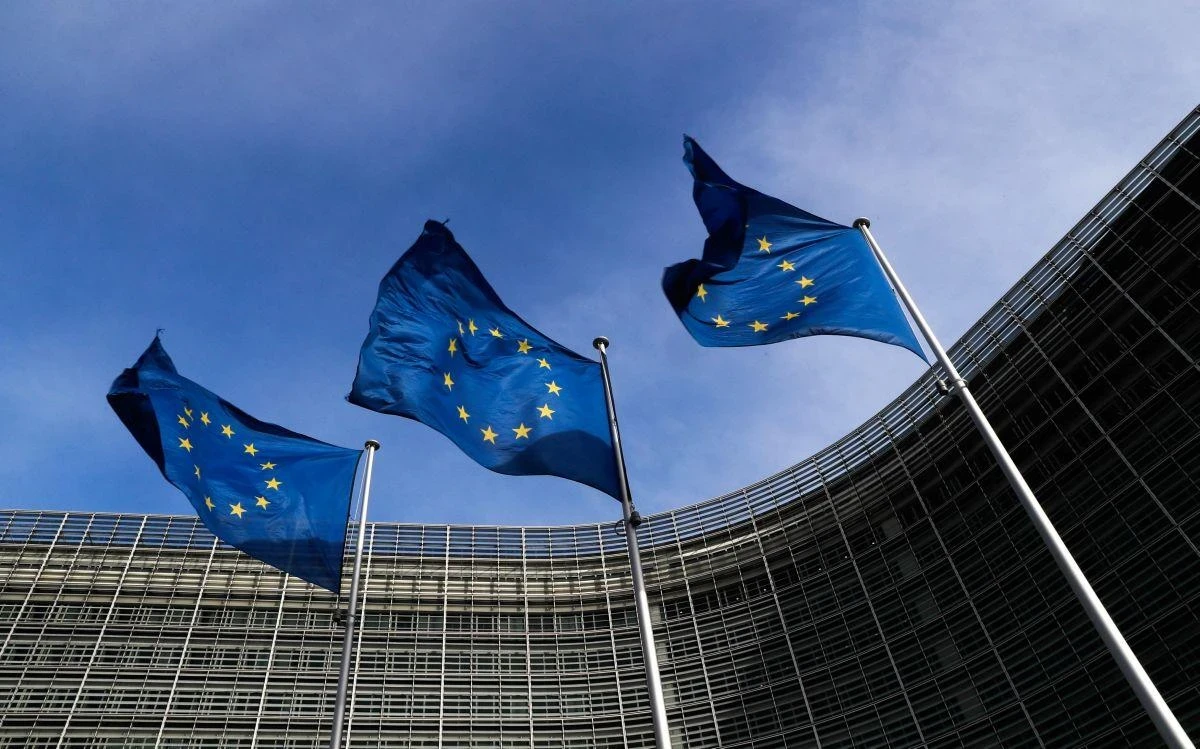
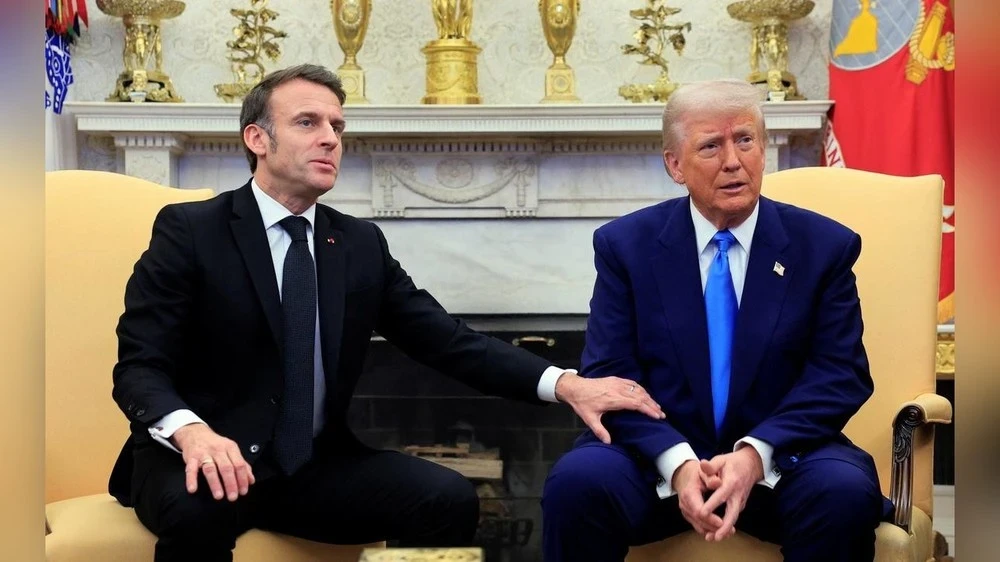
The threats of imposing tariffs led to emergency meetings in the EU, scheduled for Thursday to discuss possible countermeasures. French President Emmanuel Macron proposed using the EU's anti-coercion instrument ACI, while European Commission President Ursula von der Leyen warned that the bloc's response would be "unyielding, unified, and proportional."
Shortly after announcing the decision not to impose tariffs, Trump told CNBC that there is now a "concept of a deal" that aligns with his interests regarding Greenland.