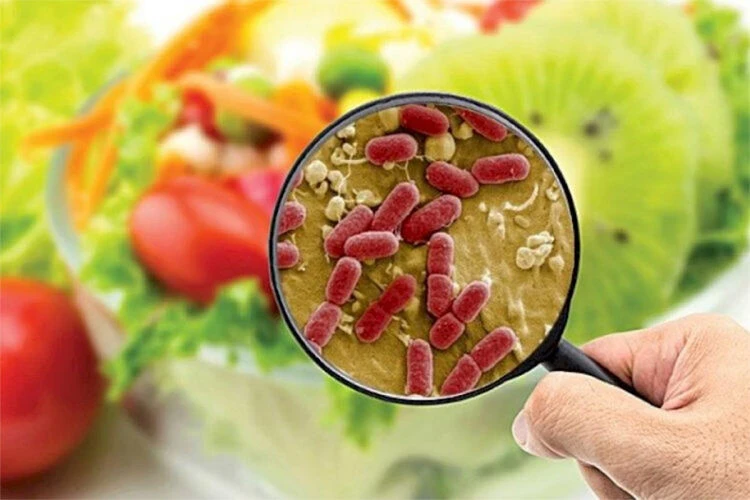
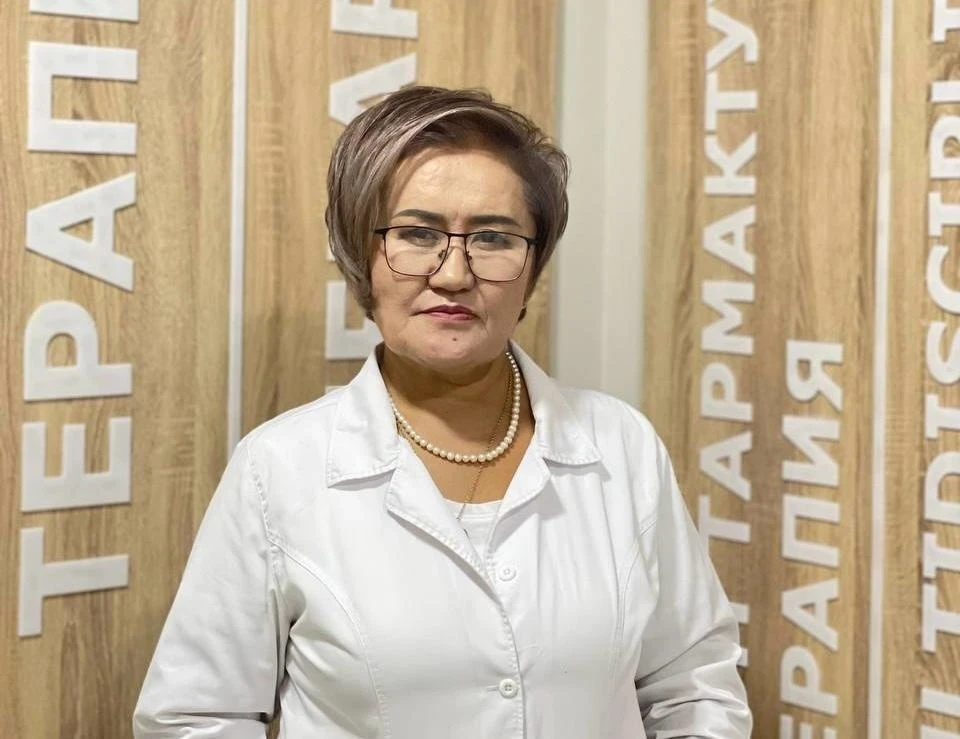
She noted that parents often seek medical help when the disease has already affected the liver and lungs, sometimes leading to the rupture of an echinococcal cyst. The incidence is particularly high in Bishkek and the Chui region.
Anakeeva provided advice to parents regarding their children's health, emphasizing the importance of breastfeeding in the first year of life, as artificial formulas cannot fully replace breast milk.
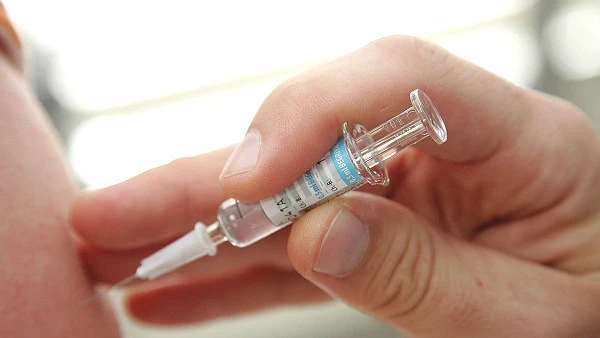
Additionally, she highlighted the necessity of timely vaccinations, as there was a high incidence of measles last year due to many parents refusing vaccinations.
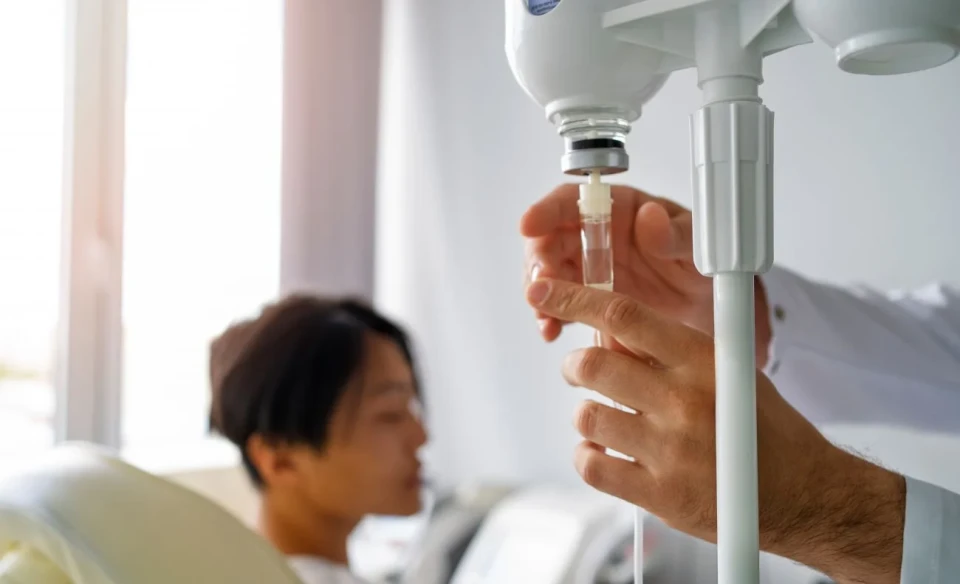
The doctor also warned against self-treating children, which can lead to tragic consequences. She cited a case where a child died from poisoning by antipyretics that the mother administered without supervision for two days.
"Antipyretics can be dangerous and should only be used as prescribed by a doctor," she added, urging parents to consult a family doctor at the first signs of illness in their child.
Anakeeva also reported an increase in cases of children being poisoned by medications due to improper storage of drugs by parents or intentional ingestion by children.
Another serious problem that parents may face is the accidental ingestion of foreign objects by children, such as batteries or small toy parts. In some cases, surgical intervention may be required to remove such objects.
During epidemics, the doctor recommended visiting Family Medicine Centers (FMCs) instead of hospitals to avoid contracting other infections. In emergency situations occurring at night, parents should go to the hospital.
Anakeeva listed important preventive measures and mandatory check-ups for children:
- monthly check-ups with a pediatrician until the age of one, including weighing and assessing psychomotor development;
- regular tests and medical examinations;
- timely check-ups before school and during the learning process.
Under the state guarantee program, some children are entitled to free medical care:
- orphaned children;
- children with disabilities;
- children under state care.
Other children will need to contribute to their share of the payment.