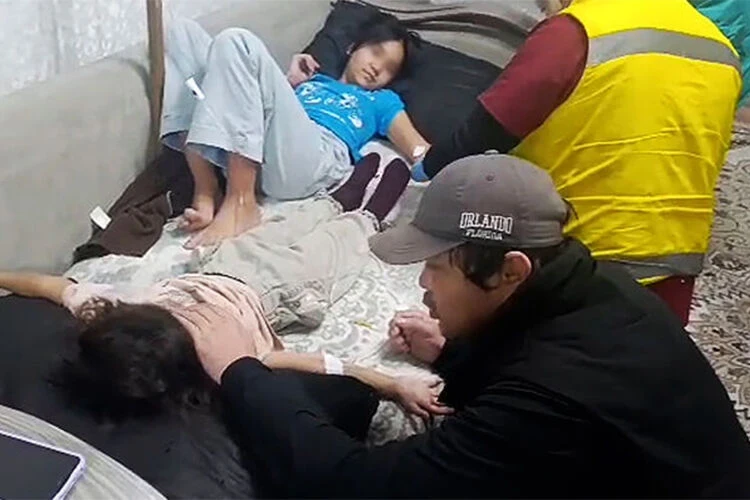
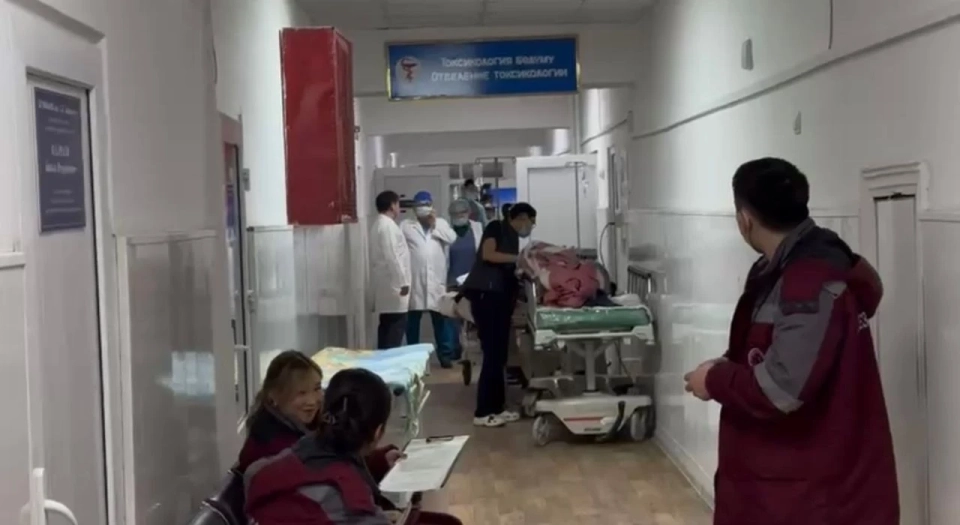
Of the 17 affected individuals, four are children.
Currently, 13 people are hospitalized, while four are receiving outpatient care.According to the epidemiological investigation, the first symptoms of poisoning appeared in the affected individuals at different times on January 15, after which they sought medical assistance at the Republican Clinical Infectious Disease Hospital. Doctors provided the necessary care and collected clinical samples for laboratory analysis.
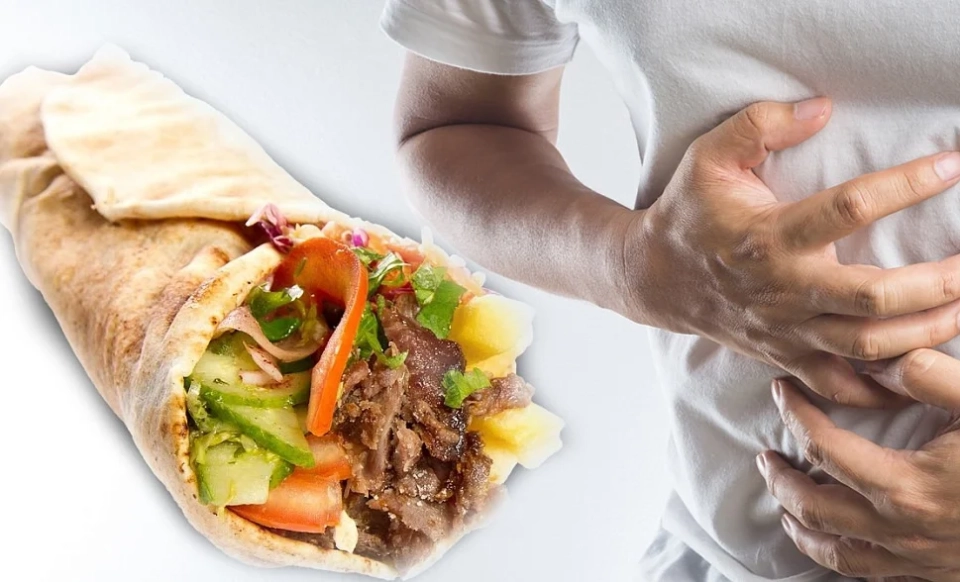
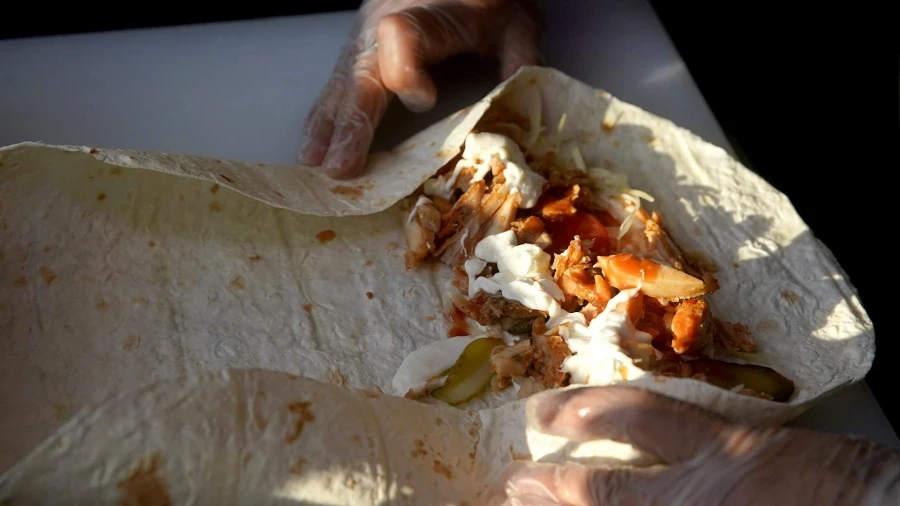
All affected individuals consumed shawarma purchased from "Daamduu" on the same day.
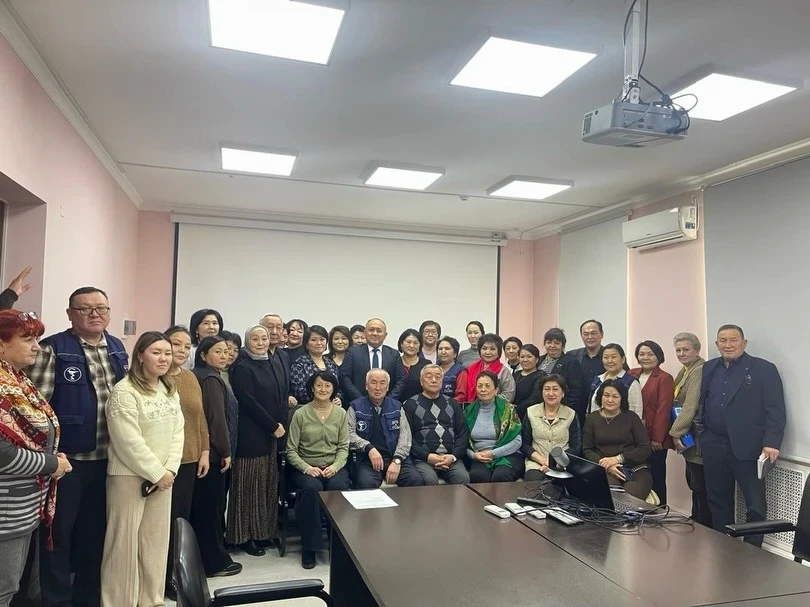
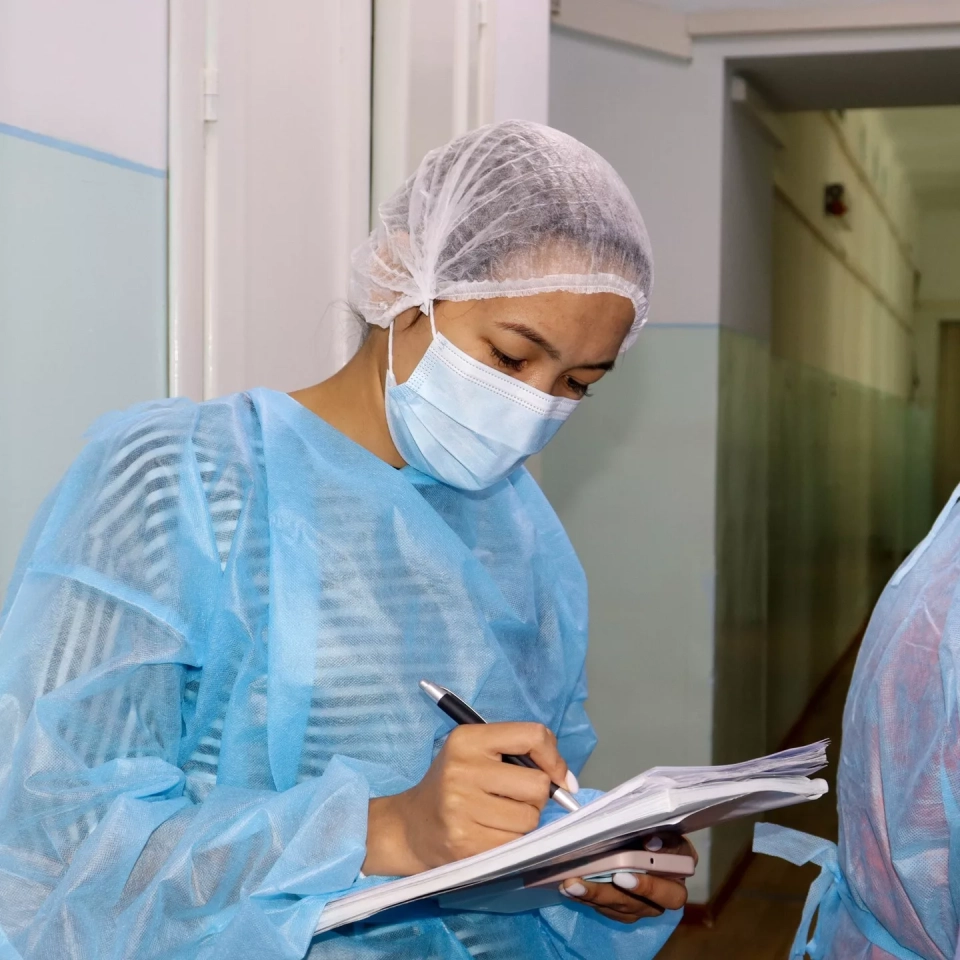
Specialists from the Bishkek State Sanitary and Epidemiological Surveillance Center conducted an unscheduled inspection of the establishment, during which samples of ingredients, swabs from kitchen equipment, and remnants of finished products were taken for further research. The employees of the café were also examined for intestinal infections.
As a result of the inspection, three protocols for violations were drawn up, and the establishment was fined a total of 41,000 soms, as reported in an official statement.
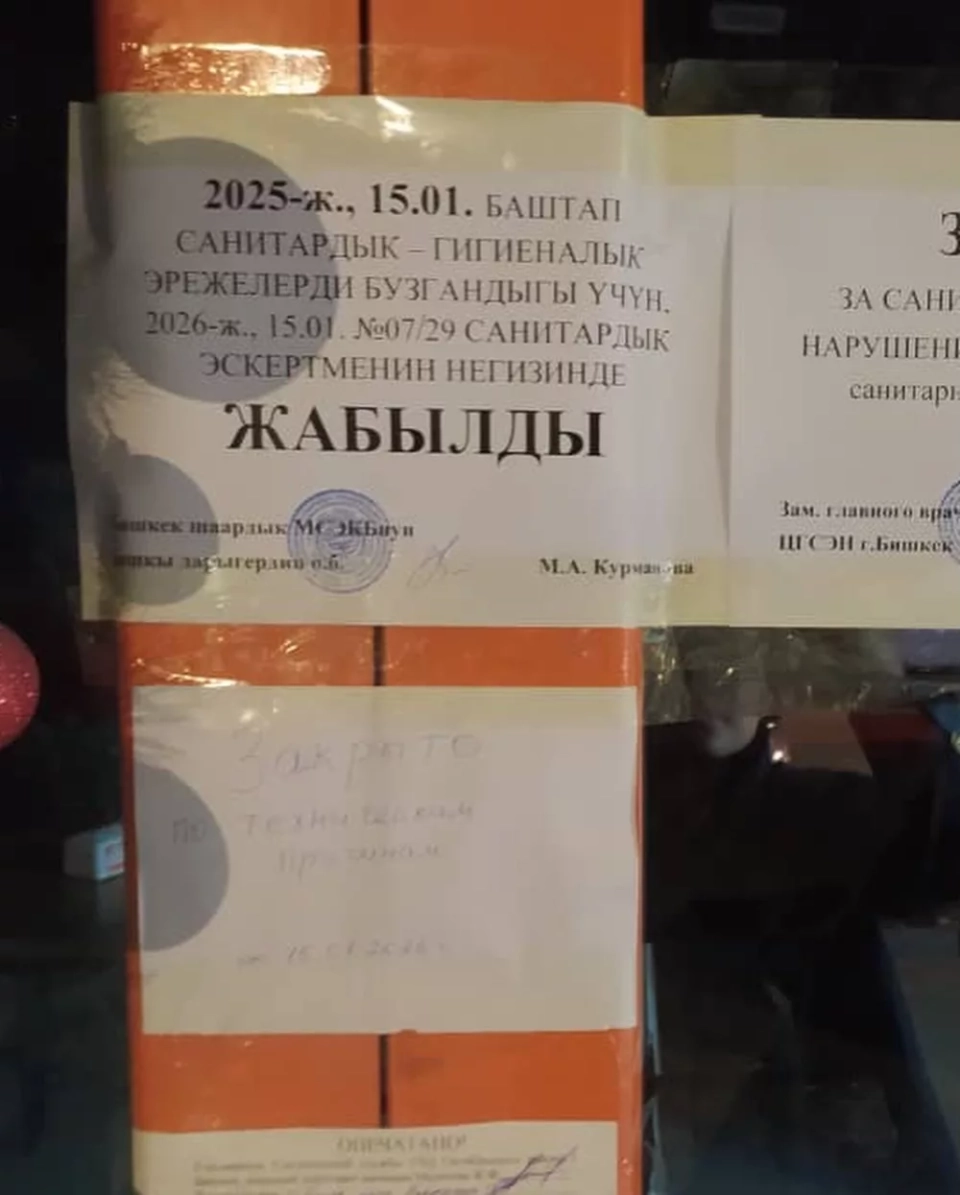
A sanitary order to close the establishment from January 15, 2026, was issued to the management, and the facility was sealed.The epidemiological investigation is ongoing. The agency promised to provide additional information as the results of the analyses come in.
Warnings for the Public
Doctors remind that shawarma and similar fast food dishes can pose an increased health risk, especially when cooking technologies, storage conditions, and personal hygiene of staff are not followed.The department also emphasized the responsibility of entrepreneurs in the public catering sector for the safety of their products and urged them to strictly adhere to sanitary norms and regulations, as well as to allow only those employees who have undergone medical examinations to work.
Consumers are advised to purchase food only from verified establishments, paying attention to cleanliness and sanitary conditions. If symptoms of poisoning appear, it is necessary to seek medical help immediately.
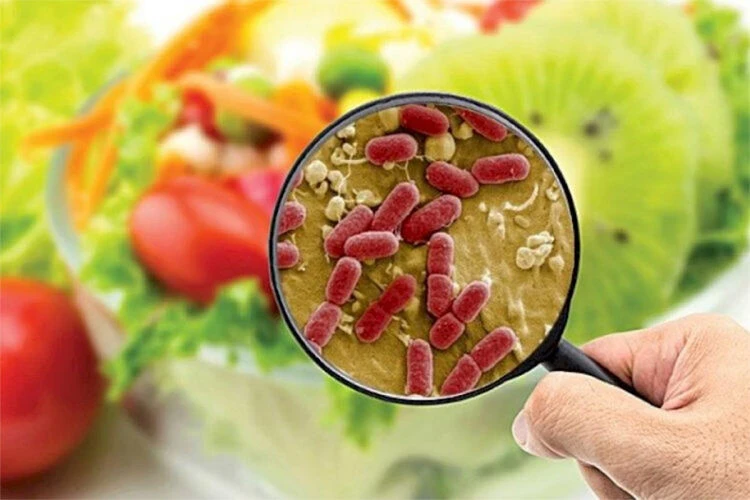
Preventing food poisoning is much easier than treating it. Adhering to sanitary norms and making conscious food choices are the main preventive measures against mass poisonings.Food poisoning is an acute illness that occurs as a result of consuming food containing pathogenic microorganisms or toxins, as well as toxic substances of non-biological origin.
Recommendations for the Prevention of Food PoisoningFor fast food establishments (shawarma, burgers, hot dogs, etc.):
- strict adherence to sanitary norms and technological processes in food preparation;
- availability and implementation of quality control programs;
- allowing employees to work only after medical examination;
- prohibiting individuals with infectious diseases from working;
- regular training of staff on personal hygiene and sanitation;
- using quality and safe raw materials with appropriate documentation;
- separately storing raw materials and finished dishes;
- adhering to the temperature regime for cooking and storing products;
- ensuring sufficient thermal processing of meat and semi-finished products;
- conducting regular cleaning and disinfection of premises and utensils;
- using separate utensils for raw materials and finished food;
- ensuring uninterrupted water supply and conditions for handwashing;
- the owner's personal responsibility for the safety of the products sold.
- prefer establishments with a clean appearance and compliance with sanitary standards;
- avoid purchasing food from dubious and non-stationary points;
- wash hands before eating, especially outside the home;
- do not recommend fast food to children, pregnant women, the elderly, and people with chronic diseases;
- at the first signs of poisoning, do not self-medicate and immediately consult a doctor.