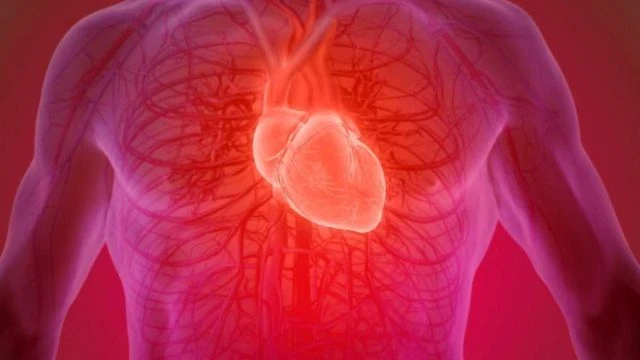
A heart attack is a life-threatening condition that occurs due to a sudden cessation or significant reduction of blood flow to the heart muscle.
Experts emphasize that heart attack symptoms may not always manifest suddenly or intensely.
For example, in one medical practice, a patient complained of chest pain but decided to ignore it and postpone a visit to the doctor until the next day. As a result, he died of a heart attack that same night.
Dr. Donald Lloyd-Jones, a professor of cardiology at Boston University, noted that wavering in the decision to seek help is a normal human reaction.
“People often worry that they may be exaggerating their symptoms,” he said. “However, it is important not to miss the time.”
According to Dr. Seth Martin, a cardiologist at Johns Hopkins, when heart attack symptoms appear, it is essential to act immediately. When blood flow to the heart is disrupted, the muscle begins to die, and delays in seeking medical help can lead to serious consequences.
Dr. Lata Palaniappan, associate dean and professor at Stanford University, also noted that heart attacks do not always present as sharp and severe pain.
“Heart attack symptoms can differ from those portrayed in movies — for example, it’s not always about someone collapsing while clutching their chest,” she added.
Chest pain or discomfort
According to Dr. Lloyd-Jones, the primary sign of a heart attack is discomfort or pain in the center of the chest. Many specialists describe this sensation as pressure, comparable to having an elephant sitting on the chest.
Pressure or squeezing may be mistaken for heartburn; however, as Dr. Martin clarified, heartburn usually has a burning nature, which differs from the sensations of pressure. He also warned that such differences are not always a reliable criterion.
If discomfort lasts for several minutes or recurs, Dr. Martin recommends taking these signs seriously and seeking medical help.
As Dr. Palaniappan added, if the symptoms are new to you or cause concern, it is best to consider them as potentially heart-related.
Pain radiating to the jaw, neck, back, or arms
Dr. Lloyd-Jones noted that often chest pain can radiate to other areas of the body. People may feel it rising to the neck, shoulders, or arms, usually as a pressure sensation.
According to Dr. Martin, most patients feel pain in the left arm since the heart is predominantly on the left side, although pain can also manifest in the right arm.
Sometimes discomfort in the chest can extend to the back or jaw, causing unpleasant sensations, he added.
Shortness of breath
When the heart muscle is damaged and cannot pump enough blood, this can lead to fluid accumulation in the lungs, causing shortness of breath, as explained by Dr. Lloyd-Jones.
Dr. Martin added that shortness of breath can occur suddenly and even at rest, without any physical exertion, and may be accompanied by chest discomfort or occur separately.
Fatigue, fainting, or nausea
While chest pain is a classic symptom, there are also lesser-known signs to watch for, such as unexplained fatigue, according to Dr. Palaniappan.
She provided an example: “My father died of a heart attack in 1984, and his symptoms began with unusual fatigue.”
According to Dr. Martin, other possible symptoms include nausea, dizziness, as well as feelings of anxiety, sweating, and sensations of cold. More than 20% of heart attacks can occur without symptoms or with mild symptoms that people do not associate with a heart attack, and this may manifest as flu or stomach upset.
Often, people do not recognize these symptoms when they occur, but damage to the heart muscle can be detected later through diagnostics, he added.
This serves as a reminder that when experiencing unusual symptoms, it is always beneficial to get checked out, he emphasizes.
If you notice one or more signs of a heart attack, it is important to see a doctor as soon as possible.
Experts also emphasize that one should not hesitate for too long, as my relative did. The main thing is to seek medical help. And even if it turns out that you are not having a heart attack, as Dr. Lloyd-Jones noted, that would be great news.