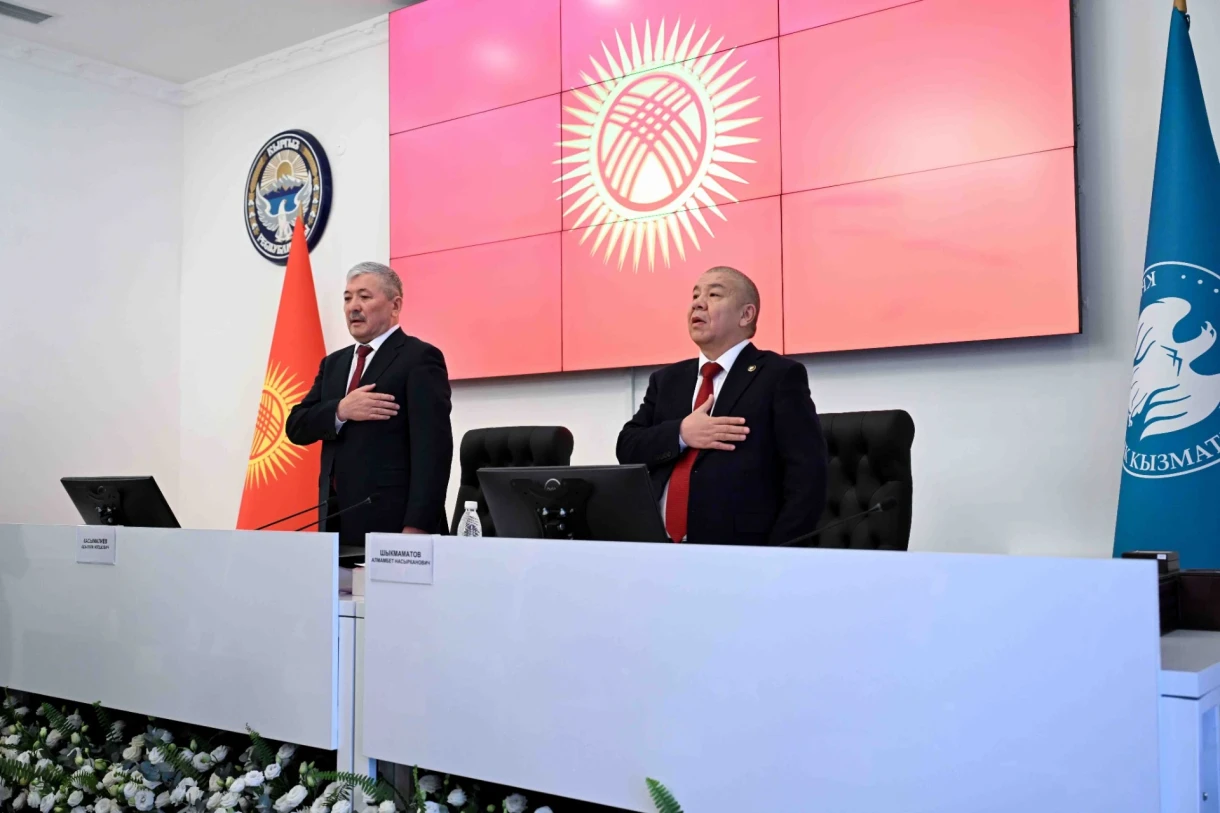
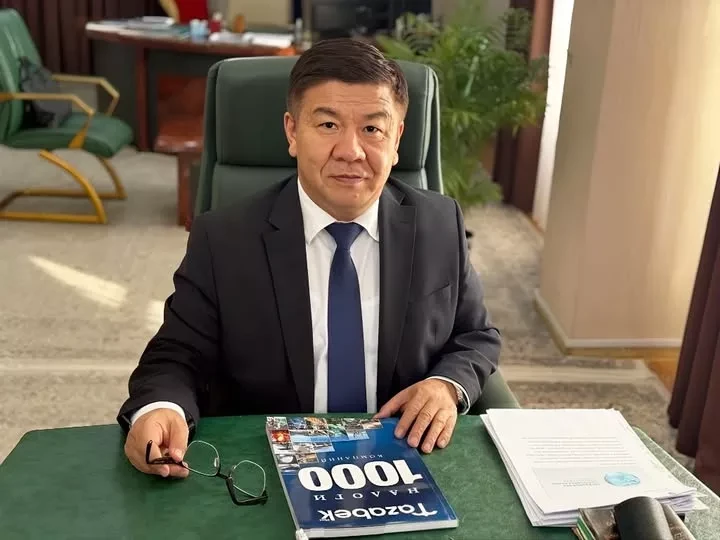
He noted that in 2025, a significant policy will be implemented to reduce the tax burden and increase tax benefits for key sectors of the economy. The main areas will be agriculture, processing, information technology, renewable energy sources, as well as the textile and jewelry industries, including the development of sports.
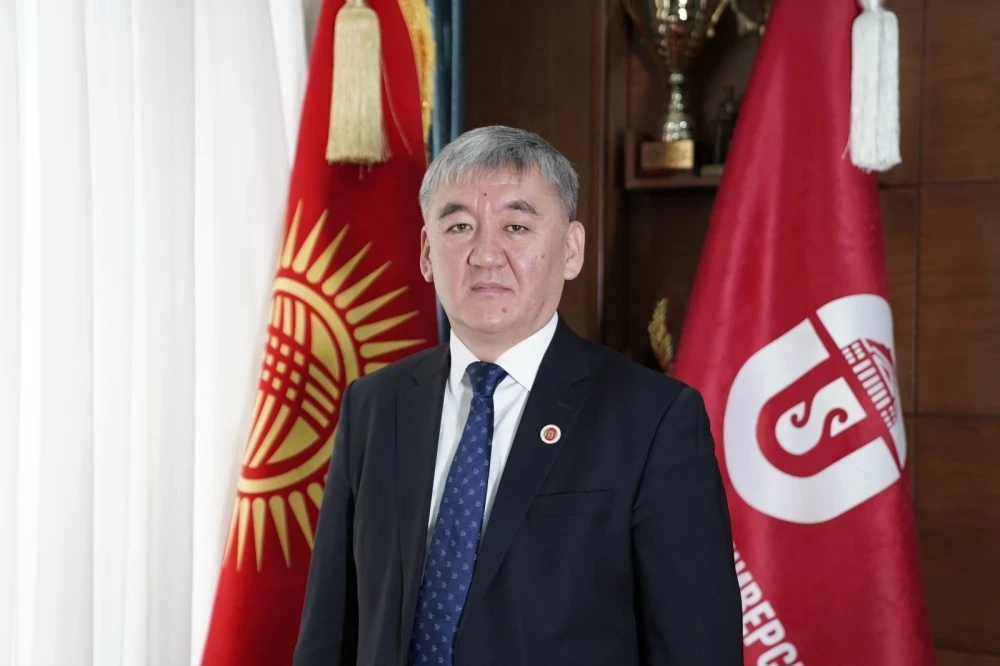
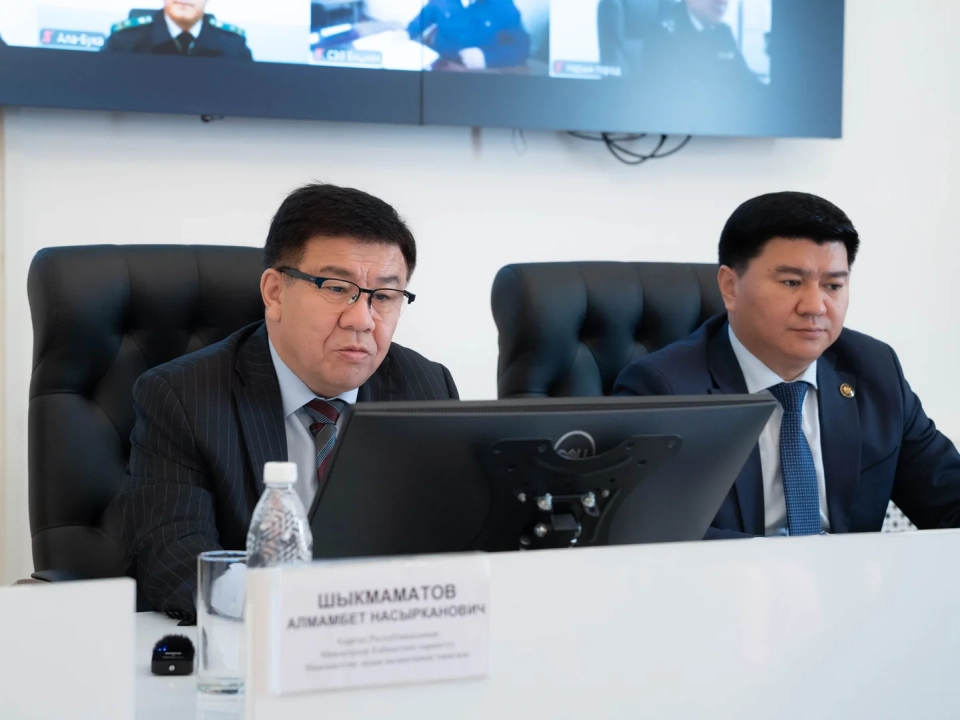
“Small and medium-sized businesses have been given the right to choose the most convenient tax regime — general, single tax, or patent. This decision has allowed entrepreneurs to align their tax obligations with the actual scale of their activities, while the state has been able to form a stable tax base. To date, tax rates in Kyrgyzstan are among the lowest in the post-Soviet space, which represents a strategic advantage for the country in attracting investments and developing human capital,” emphasized Alambet Shykmamatov.
He added that the main aspect of the 2025 reforms is a radical change in approaches to tax administration.
“We have abandoned excessive checks and pressure on businesses, understanding that fear cannot be a sustainable source of budget revenues. In particular, on-site inspections by employees of the central office of the State Tax Service have been canceled, which has helped reduce corruption risks at this level.
Moreover, we have revised the methods of appointing and conducting inspections in territorial divisions, creating a control system focused on the validity and quality of inspections,” added the head of the State Tax Service.
In his opinion, tax administration has become significantly simpler for both businesses and citizens.
Since January 1 of this year, the mandatory use of electronic waybills for most goods has been canceled, a moratorium on control purchases and raids in markets has been introduced, as well as the cancellation of the universal tax declaration for individuals who are not individual entrepreneurs and the need to submit "zero" reports.
“These measures have freed up time and resources for businesses, which should contribute to economic development. It is also important to note the policy of legalizing economic activity. The opportunity to legalize goods without penalties until April 1, 2025, and the write-off of tax debts for previous periods have become an important signal that the state wants to create conditions for a fair future,” added Alambet Shykmamatov.
One of the central elements of the reform was the change in taxation for markets and shopping centers.
The return of the patent system, exemption from the mandatory use of cash registers, an increase in the annual revenue threshold to 50 million soms, and the introduction of reduced rates for the jewelry industry were adopted based on dialogue with entrepreneurs.
“The pilot project in the markets of ‘Dordoy,’ ‘Kara-Suu,’ and ‘Madina,’ where administrations act as tax agents, has demonstrated that eliminating the human factor and direct contact significantly reduces the risks of abuse and increases discipline,” noted the chairman of the Tax Service.
As he reported, the most important component of all transformations has been digitalization.
“In 2025, tax administration has significantly transitioned to remote formats. The functionality of the ‘Taxpayer’s Cabinet’ has been expanded, automated tax risk management systems have been implemented, and a pilot project for fiscal software with data transmission has been launched. The integration of accounting systems of catering enterprises with the information system of the State Tax Service has already shown positive results in the form of increased average daily revenue and a reduction in the shadow turnover,” noted Alambet Shykmamatov.
Modernization of the electronic invoice system with a virtual warehouse mechanism continues, along with the implementation of the ‘Salyk Kyzut’ module, which will allow tracking the movement of goods from import or production to the end consumer.
“These changes represent not just technological solutions, but a transition to a system where the rules are the same for everyone and work automatically. The results of tax reforms harmoniously fit into the overall macroeconomic dynamics. According to the National Statistical Committee, the gross domestic product for January-December of last year amounted to almost 2 billion soms, which corresponds to an 11 percent growth. For the first time in recent years, the growth of the economy and tax revenues demonstrates such clear synchrony, confirming that tax reform has become a driver of development rather than an obstacle,” summarized the head of the State Tax Service.