These conclusions were drawn as part of an analysis of the regulatory impact of the bill that the Jogorku Kenesh plans to discuss on Thursday, February 26.
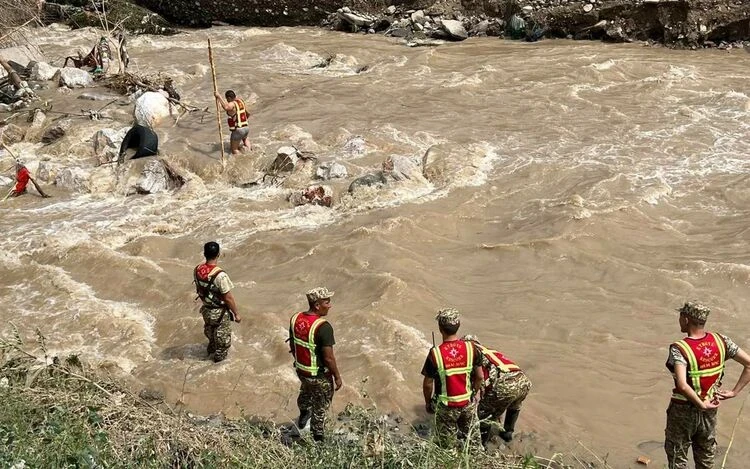
Finansdor points out that in the existing model, each insurance company bears its own responsibility for payouts, which significantly increases the risk of its financial insolvency in the event of natural disasters such as earthquakes and mudflows.
In light of the above, the agency emphasizes the need to develop a risk-sharing mechanism among participants in the insurance market, which would allow for greater population coverage by the insurance system and reduce dependence on budgetary compensations in emergency situations.
One of the proposed changes is to clarify the list of insured events in the law on mandatory housing insurance.
| Current version | Finansdor's proposal |
| Insured events | Insured events |
| 1. Insured events include: | 1. Insured events include: |
| 1) Fire caused by the action of flames, smoke, or high temperatures, even if it occurred outside the insured premises; | 1) Fire caused by the action of flames, smoke, or high temperatures, even if it occurred outside the insured premises; |
| 2) Water intrusion as a result of lawful actions taken to extinguish a fire; | 2) Water intrusion as a result of lawful actions taken to extinguish a fire; |
| 3) Natural disasters: | 3) Natural disasters: |
| a) Earthquake – underground shocks and surface oscillations of 6 points or higher; | a) Earthquake – underground shocks and surface oscillations of 5 points or higher; |
| b) Mudflow – a flow consisting of a large concentration of mineral particles and rock debris occurring in the basins of small mountain rivers; | b) Mudflow – a flow consisting of a large concentration of mineral particles and rock debris occurring in the basins of small mountain rivers; |
| c) Flood – a temporary rise in the water level in a river caused by snowmelt or heavy rainfall; | c) Flood – a temporary rise in the water level in a river caused by snowmelt or heavy rainfall; |
| d) Avalanche – rapid movement of snow or ice down mountain slopes; | d) Mass ground movements (landslides) – geological processes associated with the movement of land mass; |
| e) Rockfall – the falling of rock under the influence of gravity; | e) Strong wind – wind speed of 20 m/s or more; |
| f) Rockslide – the collapse of rock; | f) Heavy snowfall – intense snowfall (150 mm or more in 12 hours); |
| g) Landslide – the movement of large masses of rock downward; | g) Hail – atmospheric precipitation in the form of ice; |
| h) Strong wind – wind speed of 25 m/s or more; | h) Lightning strike – direct hit of lightning on a residential building; |
| i) Heavy snowfall – intense snowfall (200 mm or more in 12 hours); | 4) Relocation of insured housing to a safe zone by decision of the authorized body in case of threat of damage due to a natural disaster. |
| j) Blizzard – snow carried by strong winds; | |
| k) Hail – atmospheric precipitation in the form of ice with a diameter of 20 mm or more; | |
| l) Lightning strike – damage to a residential building as a result of a lightning strike; | |
| 4) Relocation of insured housing to a safe zone by decision of the authorized body in case of threat of damage due to a natural disaster. |