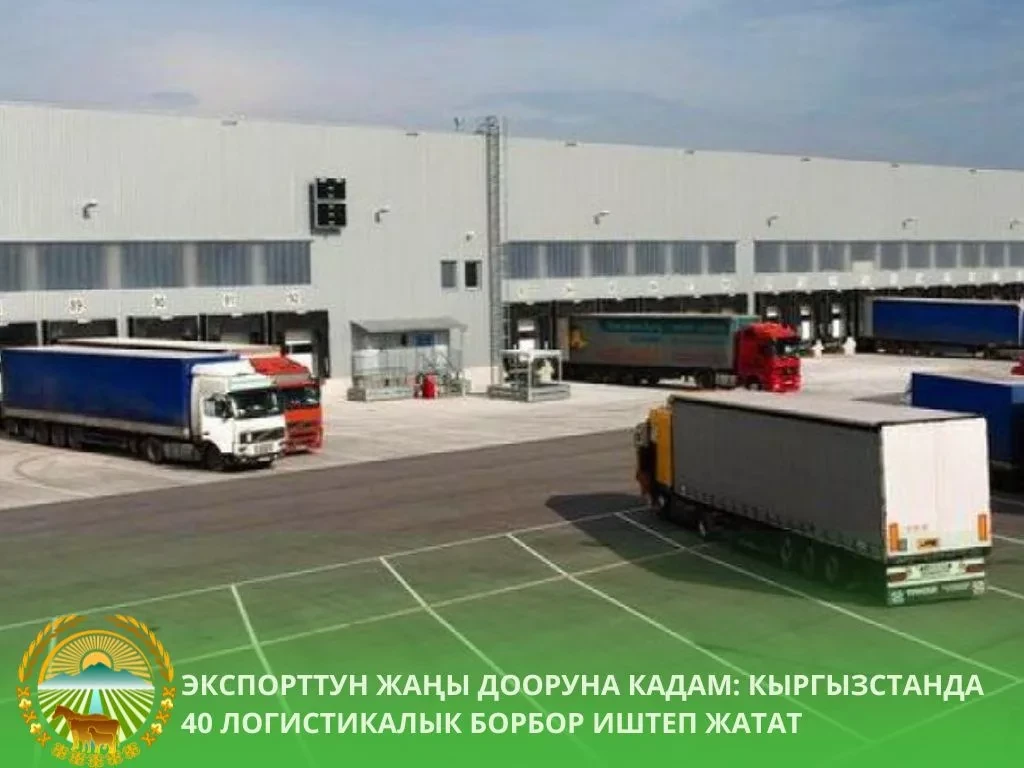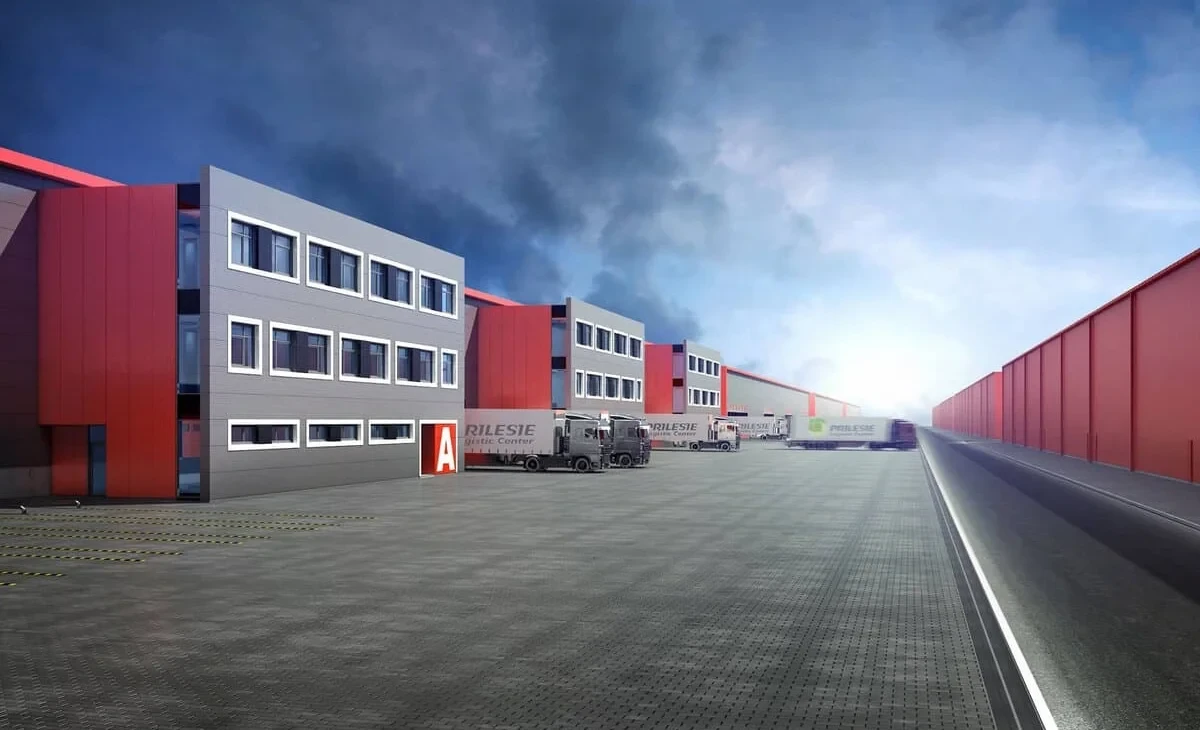
As of today, there are 40 trade and logistics centers operating in Kyrgyzstan, as reported by the Ministry of Water Resources, Agriculture, and Processing Industry.
These centers either operate alongside processing enterprises or function as independent structures engaged in product export. Currently, there are 483 registered processing industry enterprises in the country, categorized as large and medium-sized.
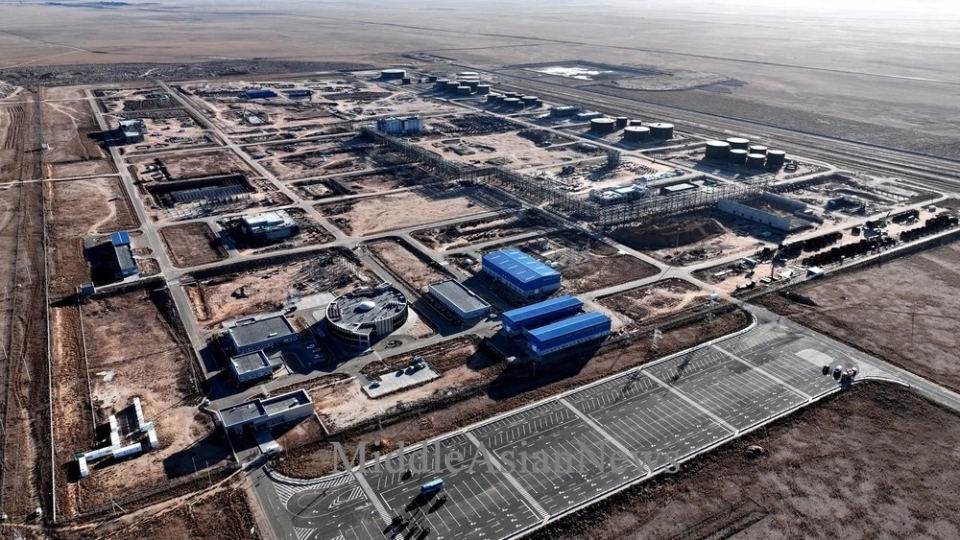
Each of the trade and logistics centers is equipped with modern warehouse facilities and specialized blocks designed for the storage and freezing of raw materials and finished products. They also handle packaging, labeling, certification, and transportation of agricultural products.
According to the ministry's forecasts, the opening of 75 new processing industry enterprises is planned for 2026, including 8 new trade and logistics centers.
Under the strategic development program, another 40 trade and logistics centers will be built in the country by 2030.
The ministry emphasizes that the creation of such facilities is aimed at effective management of export-import operations, as well as the storage, processing, and distribution of agricultural products.
The process of creating a trade and logistics center includes several key stages. First, the goals and objectives of the project are defined, a location for implementation is chosen, and then a business model is developed. Next, a site and infrastructure plan is prepared, and the necessary construction permits are obtained.
During the construction phase, warehouse and administrative buildings are erected, modern equipment and IT systems are installed. Then, the processes of receiving, storing, and shipping goods are optimized, and electronic document management systems and digital services for clients are implemented.
It is also important to pay attention to the selection and training of staff, the introduction of motivational mechanisms, and performance evaluation systems (KPI). Cooperation with transport companies and retail chains is established, and connections with government agencies are strengthened.
After construction is completed, the new centers undergo trial operation to assess their functionality. Further plans include expanding the range of services and implementing modern technologies, including process automation, e-commerce, and blockchain-based solutions.