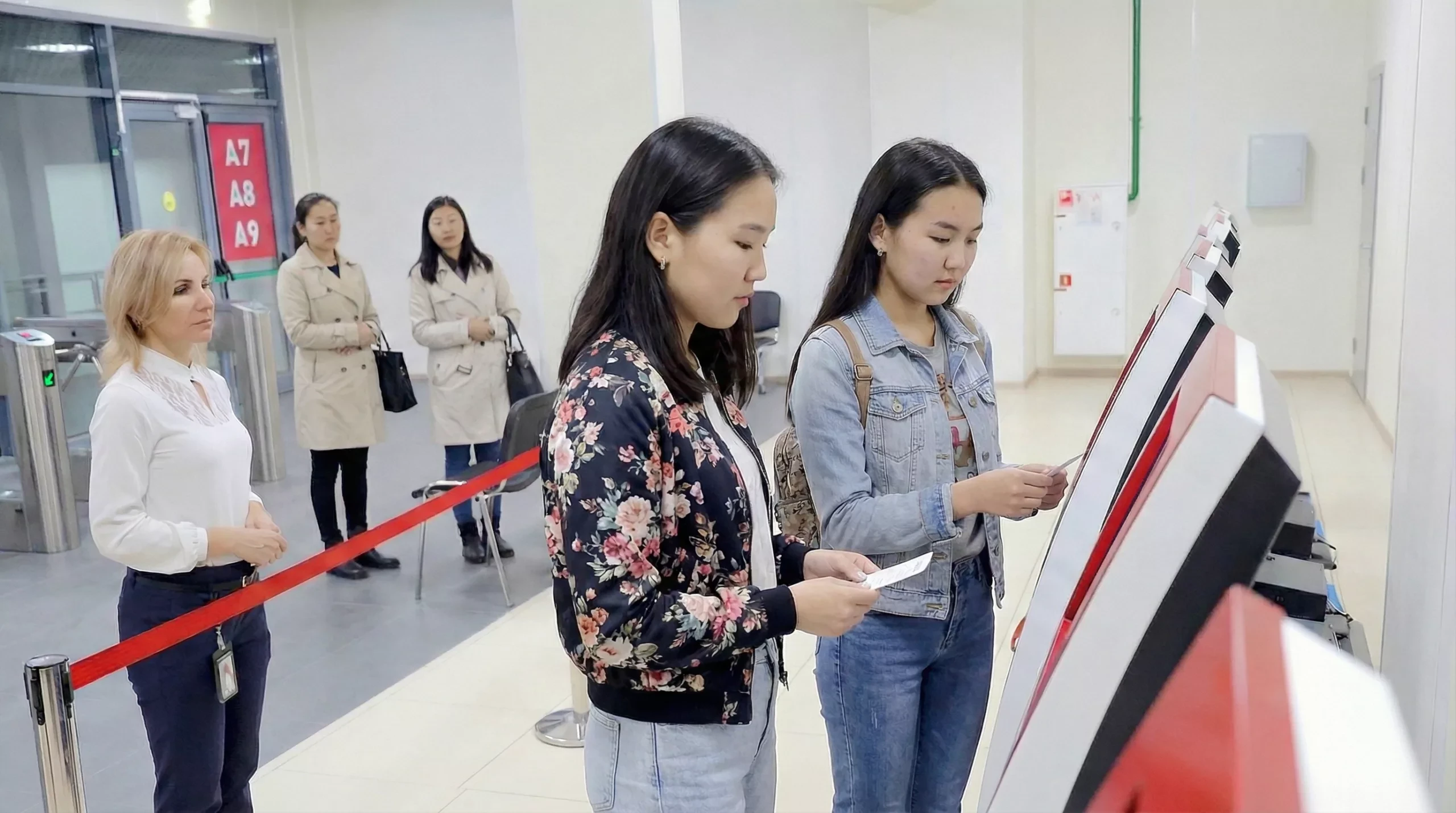
Labor migrants from CIS countries no longer consider Moscow as the only option for work. High housing prices, long queues at migration centers, and fierce competition for vacancies prompt people to seek more attractive conditions. This raises the question: in which regions of Russia is it easier and safer for foreigners to find employment today?
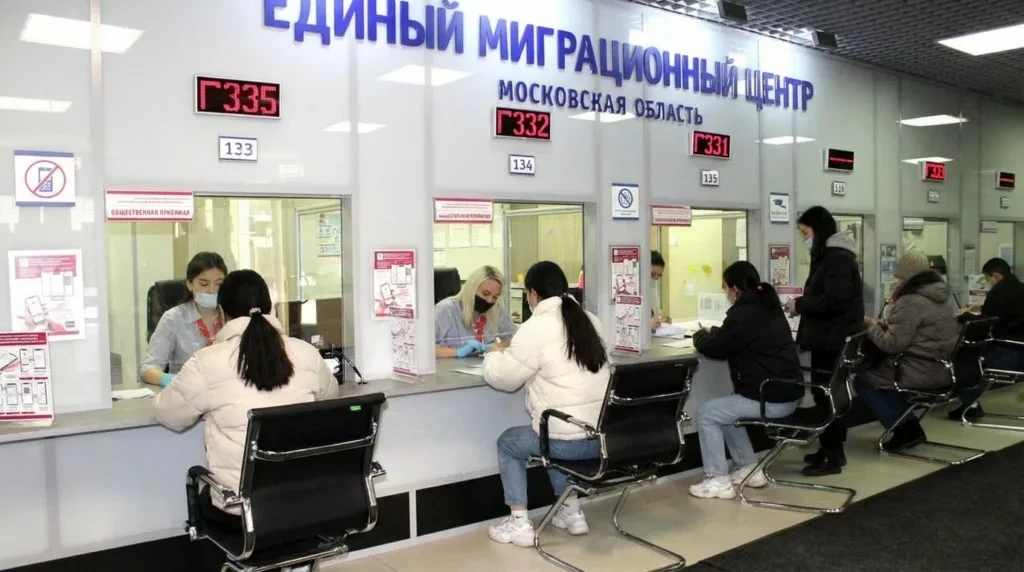
The answer to the question about the best places to work increasingly lies outside the capital. For example, in the Republic of Tatarstan, the cost of a patent for foreign workers from January 1, 2026, is about 100 dollars, which is 30% lower than in Moscow and the surrounding area.
Regional authorities, focusing on supporting and adapting migrants, are creating favorable conditions for citizens of Kyrgyzstan who seek not only to earn money but also to build a stable future.
CHANGES IN RUSSIA'S MIGRATION POLICY
Ensuring transparency in labor migration is important not only for tax revenues and security but also for forming a stable social environment. Understanding who works and where helps create safer working conditions for migrants.
Meanwhile, negative reviews about Russia's migration policy are actively spreading in blogs and the media. However, the changes occurring in this area are aimed not at closing the country but at organizing processes and creating clear working conditions.
In recent years, programs for migration amnesty and official employment schemes have been introduced, demonstrating that legal and safe work in Russia is becoming a reality thanks to accessible tools.
Migration amnesty has already helped many foreigners restore their legal rights. The state aims not to abandon labor resources but to streamline the system and provide a chance for those willing to work legally and honestly. Mechanisms are being created to correct status and avoid deportation for those wishing to find legal employment.
Updating the rules is a step towards moving the migration sector out of the "gray zone." The introduction of digital registries, employer checks, and tightening of responsibilities should increase the transparency and predictability of the system. In the long term, these changes are aimed at creating a fair model of labor relations.
Opportunities for Girls from Kyrgyzstan in the Regions
Standard discussions about the difficulties of migration often focus on Moscow and the surrounding area. This is quite understandable, as the main flow of labor force is directed there, leading to high competition for vacancies and overloaded migration centers.
However, the situation in the regions may be different. In Tatarstan, migration processes are more organized, and the interaction between business, authorities, and foreign workers is structured. This allows for a transition from spontaneous migration to organized and legal forms of employment.
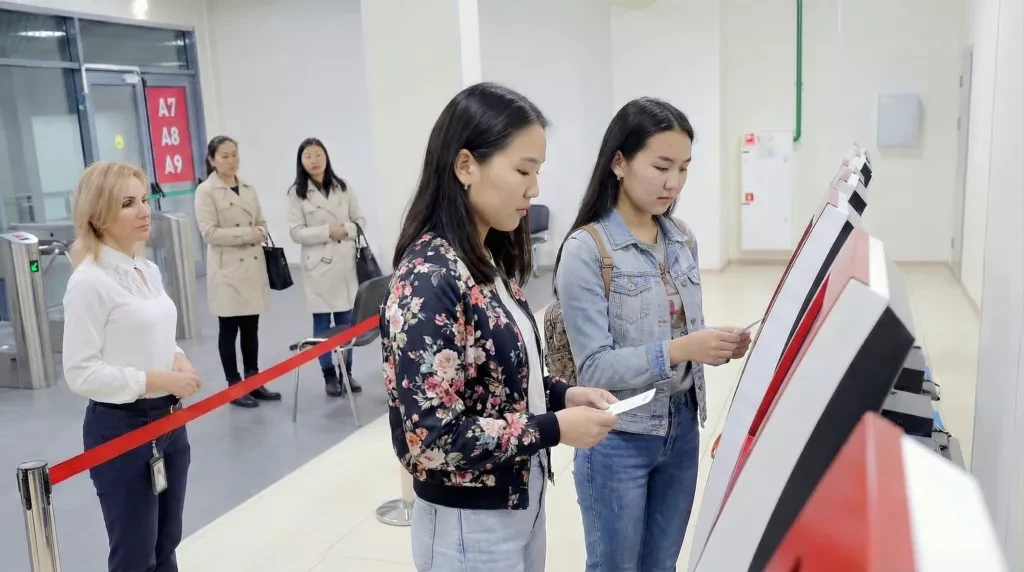
Every year, the Russian government and the Ministry of Labor set quotas for the employment of foreign citizens, which are distributed by region. A significant portion of Tatarstan's quotas is intended for large enterprises, such as the Alabuga SEZ and PJSC KAMAZ.
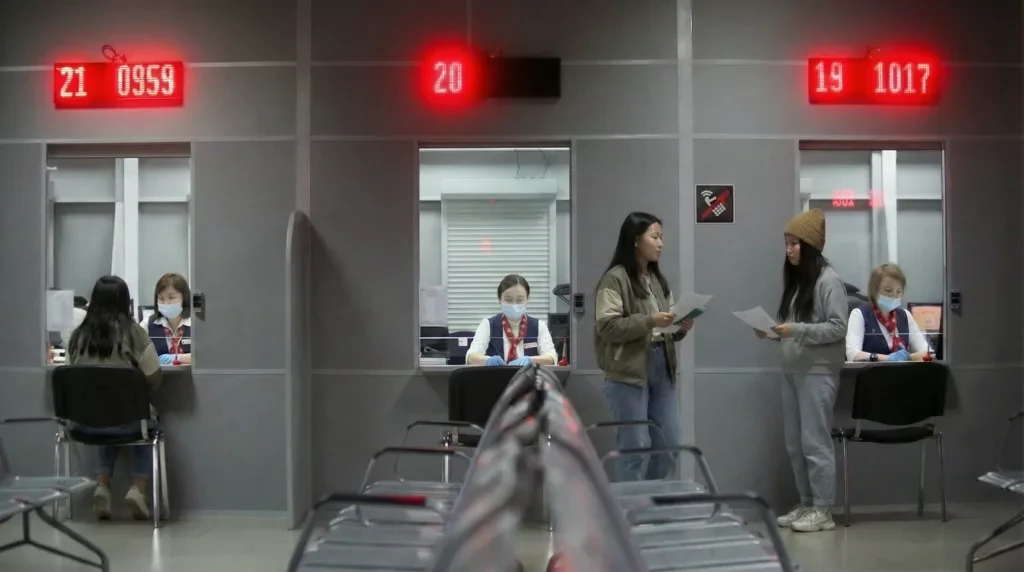
The organization of migration processes in the regions varies. In the Moscow region, there is a single large migration center (in Sakharovo), which leads to a high load and long queues for foreigners.
In Tatarstan, the situation is more comfortable. Most labor migrants are distributed among several large cities, where there are no queues and long waits. The Republic of Tatarstan is currently one of the most promising regions for labor migration in Russia, thanks to its developed infrastructure and systematic approach to attracting personnel.
The region not only accepts foreign workers but also creates conditions for their adaptation and professional growth. For example, the "Alabuga Start" program is being implemented in the Alabuga special economic zone.
This program targets young girls from Kyrgyzstan aged 16 to 22, offering them the opportunity to find legal employment in Russia with social guarantees and career growth prospects.
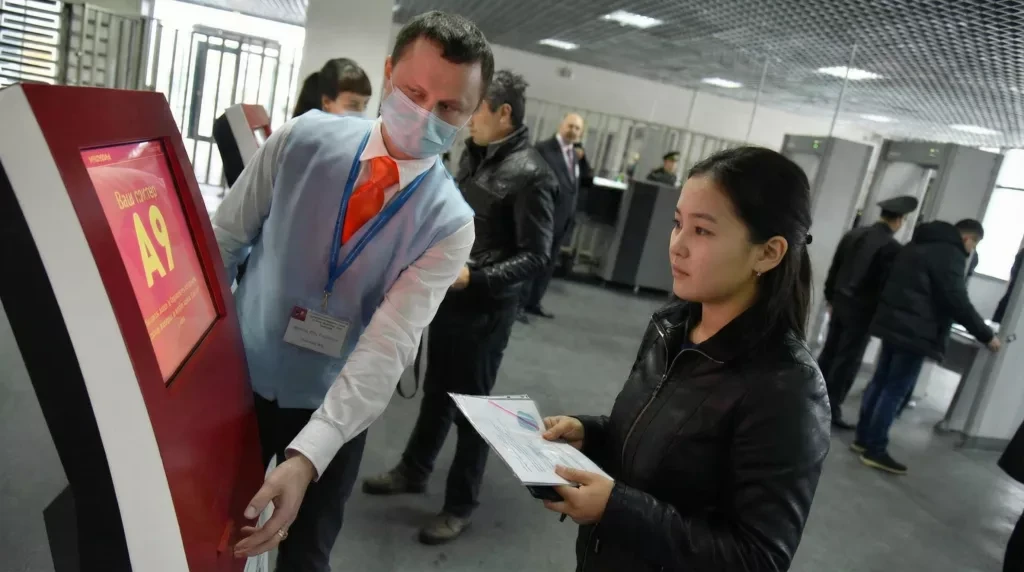
Participants in the program receive support at all stages of document processing, after which they can find employment in areas such as catering, service, and logistics. The SEZ provides flights to Tatarstan, accommodation in corporate hostels at reduced prices, and transportation to the workplace.
Earnings start at 860 dollars per month. Participants also receive health insurance and the opportunity for career advancement: every six months, they can be promoted by undergoing professional training at the workplace.
The "Alabuga Start" program gives girls a chance not only to immerse themselves in a professional environment but also to familiarize themselves with Russian culture. Participants have the opportunity to visit museums and explore landmarks, which helps broaden their horizons and make new acquaintances.
This approach, where migrants arrive with a predetermined career trajectory, significantly changes the nature of migration. Instead of uncertainty and lack of guarantees, there are transparent rules, legal status, and clear conditions here.
STAFF PROGRAMS FOR YOUNG PEOPLE FROM THE CIS
The "Alabuga Start" program is aimed at girls, while for men in Tatarstan, there is the "Alabuga Polytech" initiative, which focuses on training specialists in technical fields for the region.
This educational center offers in-demand fields, including industrial robotics and web development. Training is organized according to a dual system, combining theory with practice. Participants can officially find employment starting from their first year, allowing them to earn money while studying.
This format is particularly attractive to young people, for whom moving to Russia is not just about temporary earnings but also about gaining a sought-after specialty and building a long-term career.
Given the tightening of labor migration rules in Russia, important factors for foreign workers are not only the level of earnings but also the accessibility of legalization, as well as employers' attitudes and the ability to plan for the future.
The experience of the regions confirms that a systematic approach to labor migration, rather than a spontaneous labor market, creates new opportunities for migrants from the CIS, making the process more manageable and beneficial for all participants.