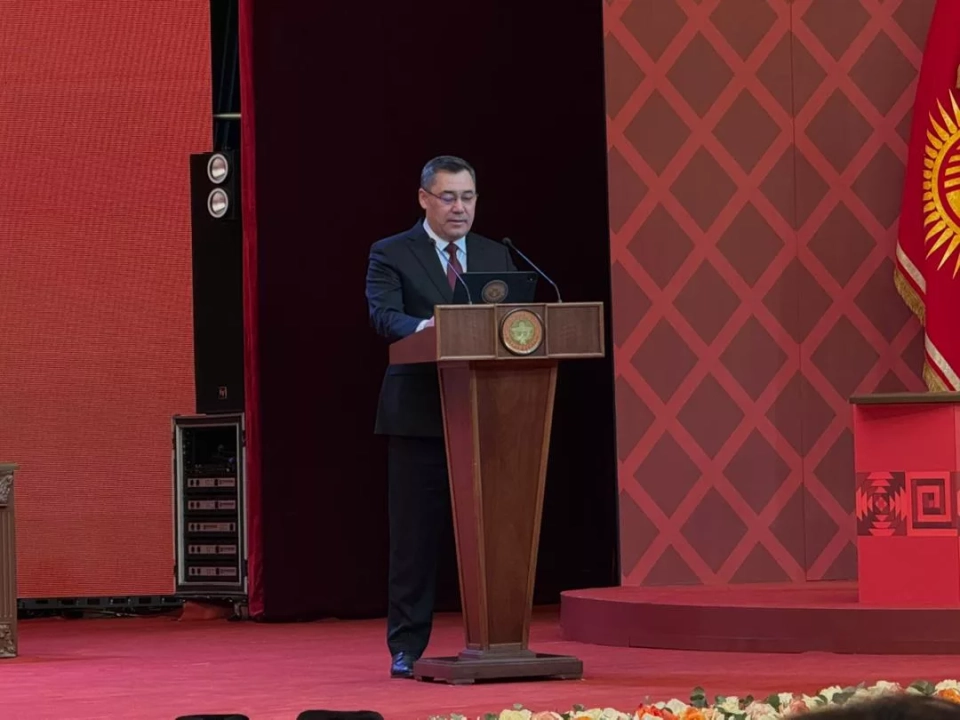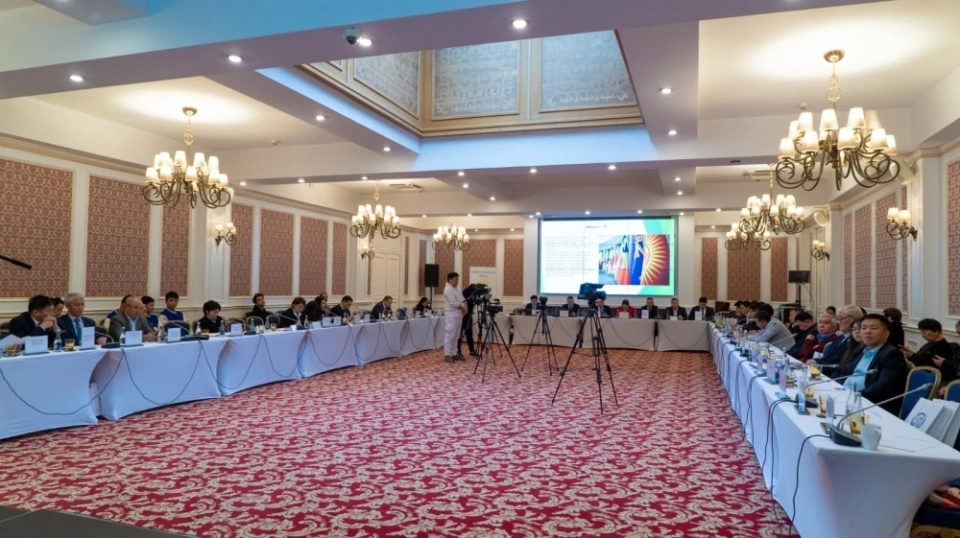
At this meeting, the deputies discussed the need to increase trust in product labeling. Ulan Primov noted that consumers are not always aware of the actual composition of goods, highlighting the importance of ensuring complete traceability—from slaughter to sale.
In light of the identified violations, financial penalties were introduced:
- for individuals – 7,500 soms;
- for legal entities – 23,000 soms.
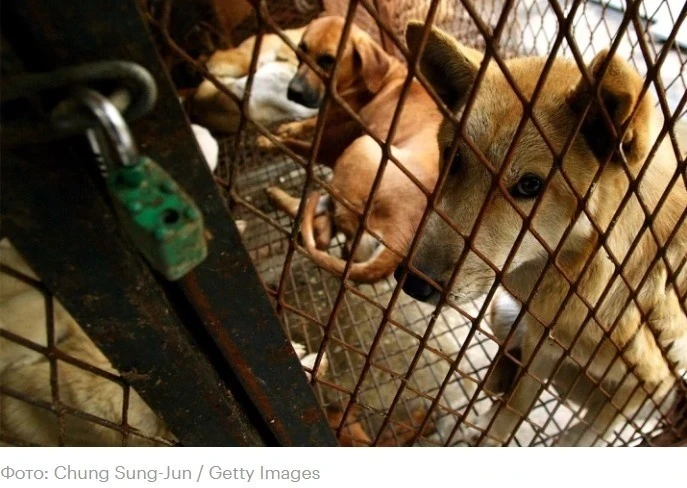
Almaz Tairbekov, head of the Halal Industry Development Center, emphasized the availability of a technical base for control, noting that accredited laboratories in Bishkek and Osh are capable of detecting pork, dog, and donkey DNA in products.
Other deputies supported the proposed bill, emphasizing the need for strict quality control of halal products, compliance with certification requirements, and protection of consumer rights.
The legislative project aims to create and improve legal norms in the halal industry. The speaker noted that this sector is actively developing in Kyrgyzstan. "With the increasing demand for halal products and services, it is important to ensure the protection of consumer rights and maintain fair competition, which requires stricter control and clear legal norms," he added.
During the discussion, Deputy Marlen Mamataliyev highlighted the need to implement a cluster approach in the production of halal products, emphasizing that the "halal" certificate must meet established standards. Deputy Dastanbek Jumabekov also raised issues regarding quality control regulation, indicating that violations could undermine trust in the halal industry. Elvira Surabaldiyeva supported the initiative, noting that compliance with halal standards could open new export opportunities for Kyrgyzstan.