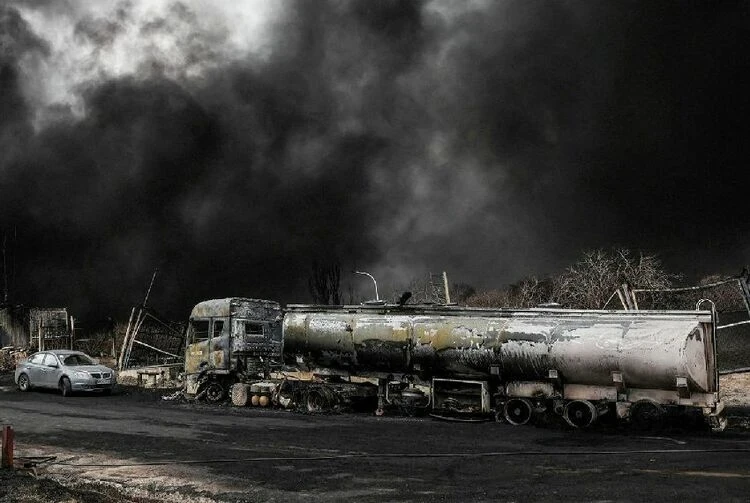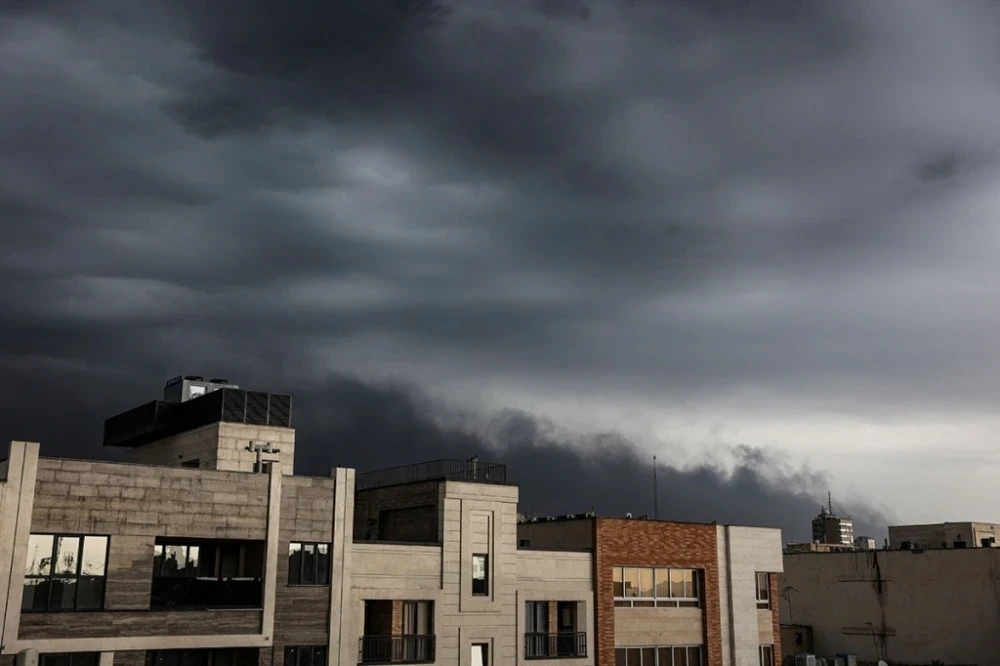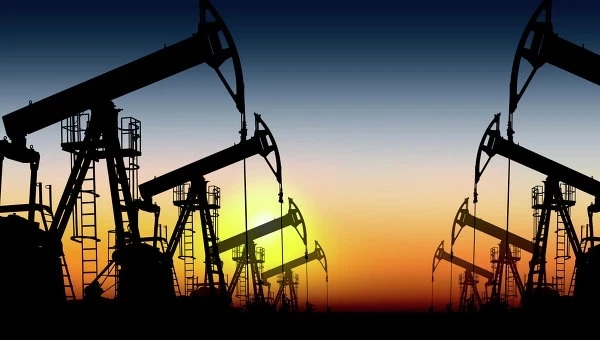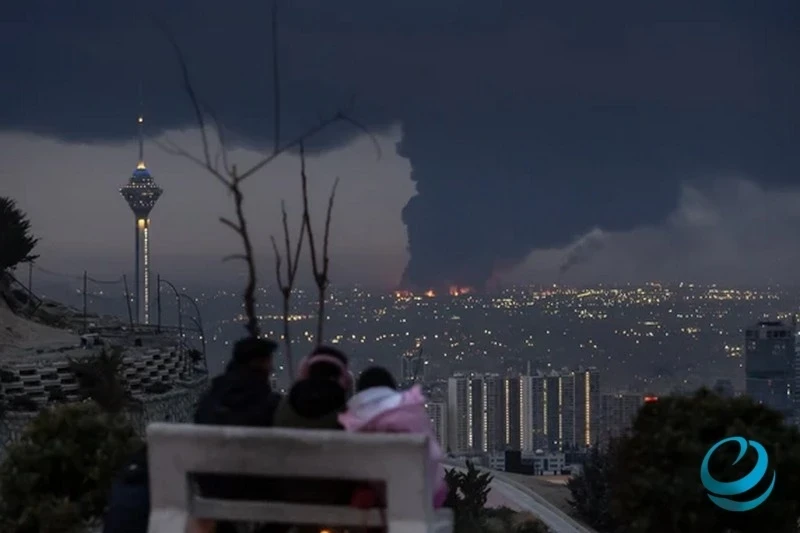
Recent large fires at Iranian oil storage facilities, resulting from attacks by Israel, have caused significant concern in Central Asia. In Iran, large-scale blazes continue, releasing substantial amounts of soot and sulfur and nitrogen oxides into the atmosphere. Tehran is facing a severe environmental crisis: the city is shrouded in black smoke, cases of acid rain are being recorded, and local residents are experiencing breathing difficulties and eye irritation from chemicals.
Against this backdrop, social media is actively discussing forecasts about the potential movement of a toxic plume toward Uzbekistan, Kazakhstan, and Kyrgyzstan. This issue was the subject of discussion at a meeting of the Jogorku Kenesh Committee on Ecology on March 9. Deputy Mahabat Mavlyanova emphasized the importance of understanding geopolitical events that could lead to environmental consequences beyond Iran. She noted that chemical emissions in the region could create risks of acid rain in Kyrgyzstan.
Deputy Minister of Natural Resources Asel Raimkulova responded to questions about the country's readiness for such challenges, indicating that the relevant ministry does not conduct direct monitoring of global pollutant movements. The primary responsibility for monitoring atmospheric conditions lies with "Kyrgyzhydromet," which uses a network of automatic stations. In response, Mahabat Mavlyanova suggested raising the issue to the government level to improve control over environmental threats.
Despite the alarming reports, international experts and meteorologists urge calm. They note that high concentrations of hazardous substances typically remain within the radius of the fire's epicenter and dissipate quickly as one moves away from it. Additionally, the powerful mountain ranges of Elburz and Kopetdag act as a natural barrier, preventing the movement of polluted air masses from Iran to Central Asia.
At present, international atmospheric monitoring systems do not detect the movement of a dangerous cloud toward Kyrgyzstan's borders. Instances of "black rain" and severe pollution remain localized and confined to Iranian territory. However, in neighboring Kazakhstan, meteorologists have already recommended that residents of Almaty limit their time outdoors on March 9 due to adverse weather conditions, highlighting the importance of timely monitoring of air quality in the region.