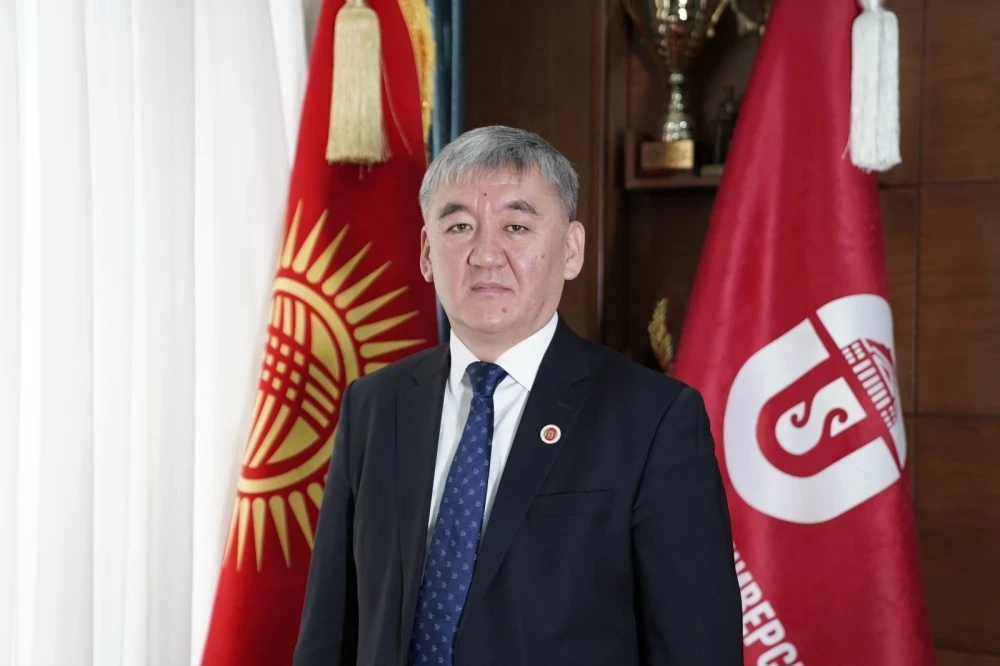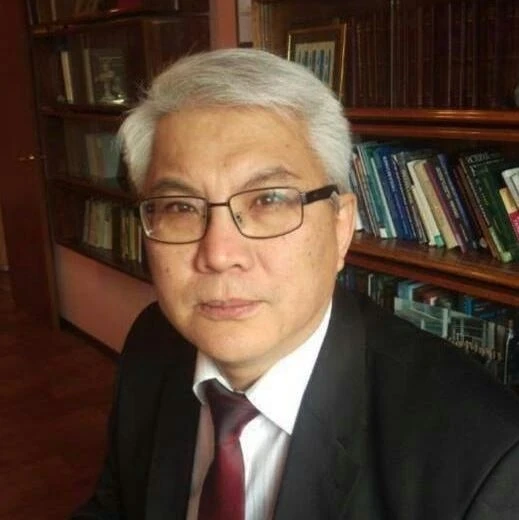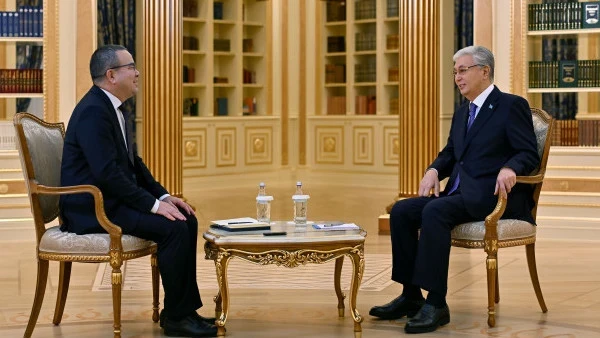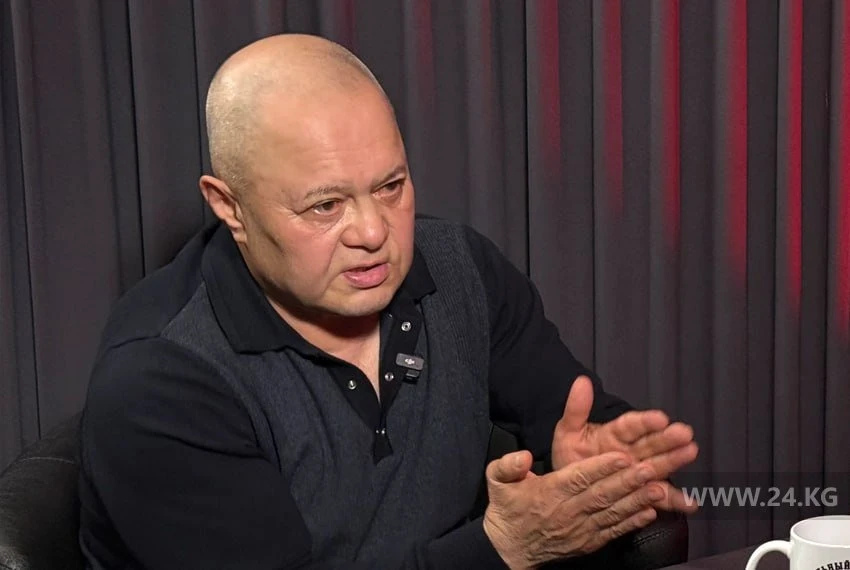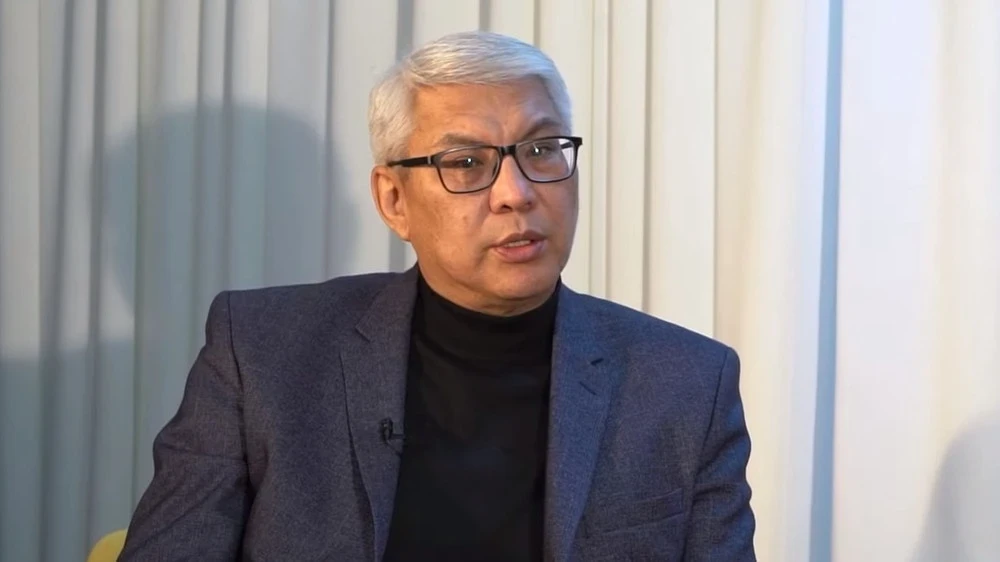
In the course of the interview, Dairova discussed the escalating tension around Iran and its implications for Central Asia, including Kyrgyzstan. He emphasized that modern conflicts cannot be viewed in isolation, as under globalization, events in one country quickly affect other regions. Therefore, the situation in Iran is important not only for the Middle East but also for the broader geopolitical picture.
According to the expert, the current confrontation around Iran is a result of deep global processes and changes in the international system. He believes that the world is gradually moving from the unipolar model that existed after the Cold War to a more complex multipolar structure.
Dairova also noted that Iran has developed its institutions and defense capabilities over the decades. After the Islamic Revolution, the country faced sanctions and external pressure, which prompted it to create a system of state resilience, including the development of education, defense industry, and governance.
During the conversation, the idea emerged that current events can be viewed as a clash of different development models. Western countries, according to Dairova, focus on economic and financial interests, while many Eastern states also consider religious and cultural aspects.
Particular attention was paid to the positions of Central Asian countries. Dairova noted that the states in the region try to act cautiously, avoiding involvement in conflicts of major global players, which is due to the necessity of considering the interests of various partners and maintaining regional stability.
The expert also recalled past instances of foreign military presence in the region, including the placement of a U.S. airbase in Kyrgyzstan in the early 2000s. He emphasized that such decisions always have long-term geopolitical consequences.
The interview also touched upon the reaction of international organizations. Dairova pointed out that the Shanghai Cooperation Organization often makes diplomatic statements, urging parties to adhere to international law and seek political solutions to conflicts.
In conclusion, the expert expressed the opinion that the world is now on the brink of significant geopolitical changes. He believes that current processes could lead to the creation of a new system of international relations, within which Central Asian countries will need to develop a more flexible and balanced foreign policy oriented towards their national interests.