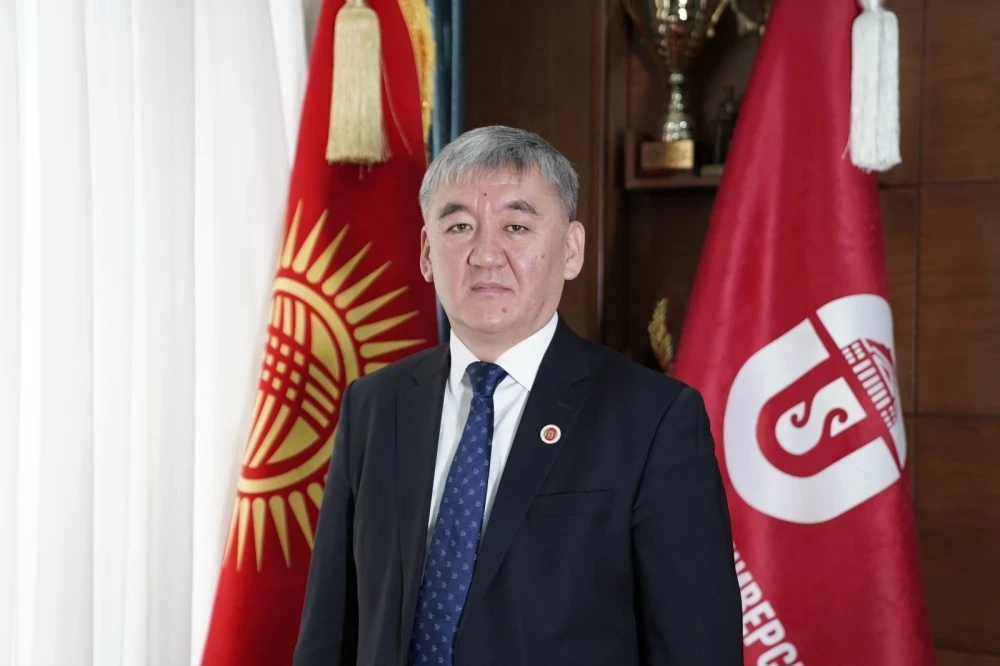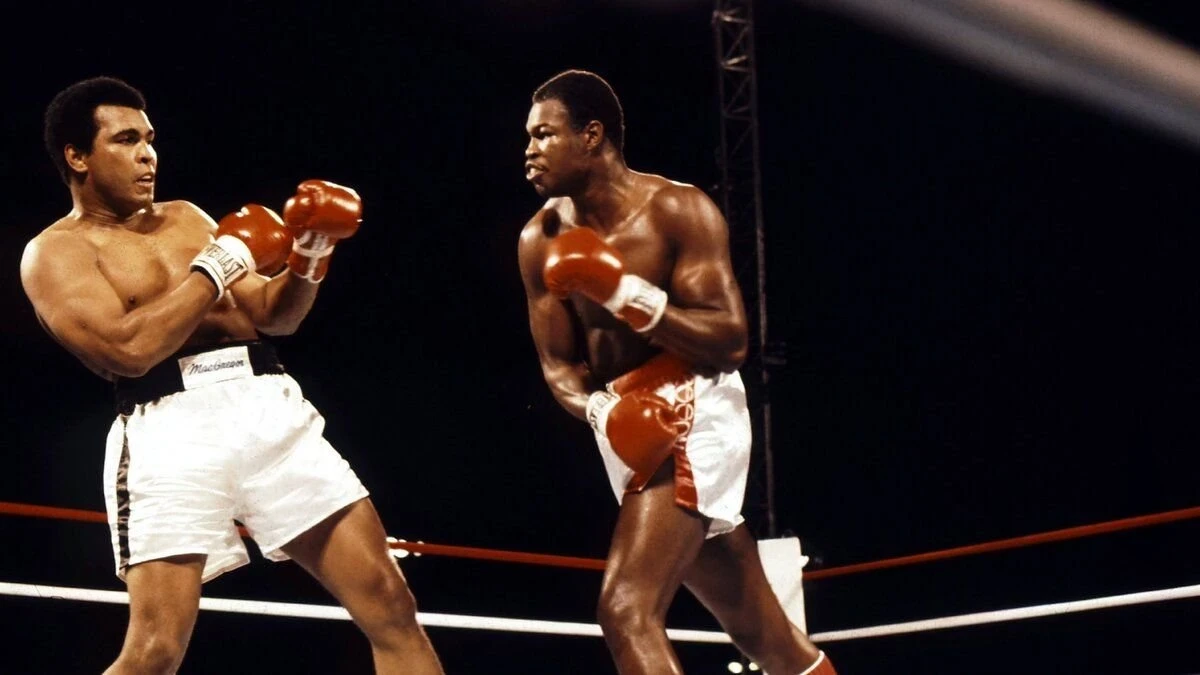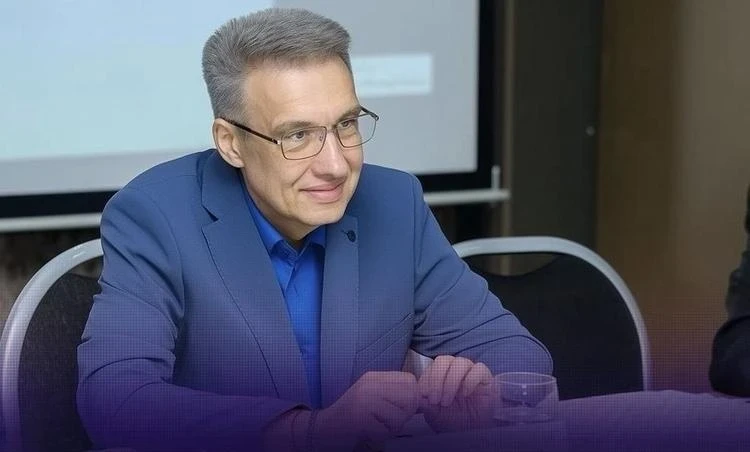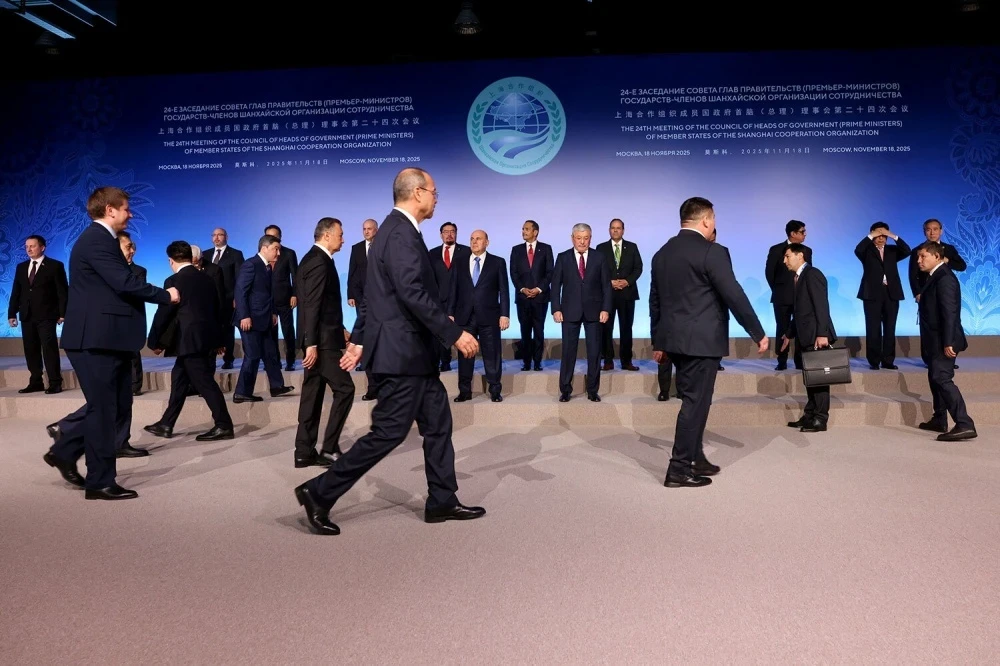
Currently, four out of ten countries that are part of the Shanghai Cooperation Organization (SCO) are involved in various international conflicts. Russia and Belarus are participating in the conflict in Ukraine, Iran is opposing the USA and Israel, while Pakistan is engaged in hostilities with Afghanistan. This was stated by Natalia Kreck, Deputy Director of the "Oi Ordo" Economic Research Center, at a round table dedicated to military conflicts in the SCO area of responsibility and Kyrgyzstan's role in ensuring regional security.
According to Kreck, the year 2026 has already shown that it will not be simple.
“At the beginning of the year, the President of Venezuela was kidnapped by American military forces, after which the USA began military actions against Iran, bombarding it with missiles. The pretext for the attacks was an accusation that Tehran possessed nuclear weapons, although the IAEA confirmed that Iran is not developing nuclear weapons. This statement was ignored by Washington. A similar situation was observed in Iraq when NATO forces invaded the country based on unverified information about chemical weapons. This clearly indicates that the USA's goals of preventing global threats serve merely as a cover for their desire to counter Russia and China and establish global hegemony,” she noted.
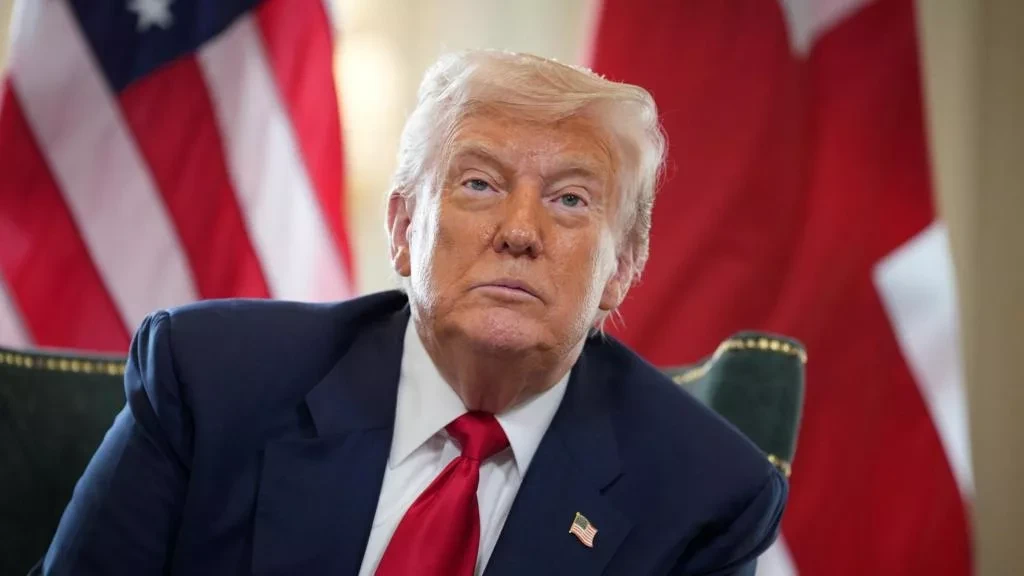
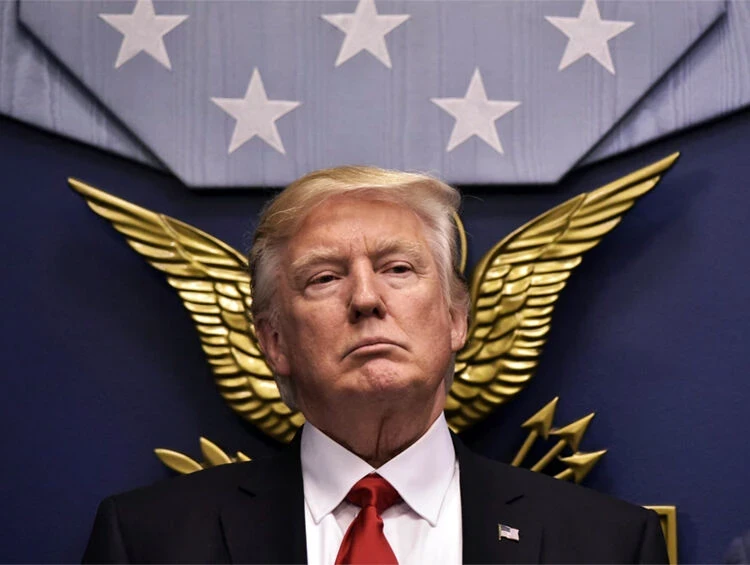
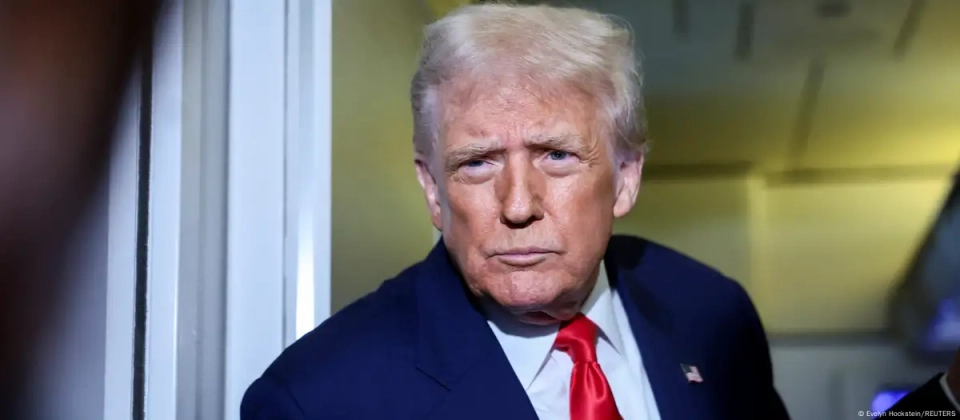
Kreck emphasized that the actions of the USA disregard international law, which has become evident even to Donald Trump, who openly bets on force.
“Now, while the USA is waging war with Iran, they are also trying to impose their order in Cuba. This is no longer a hypothetical situation, but real actions. While protests are taking place in Havana, likely organized with the involvement of the USA, Washington is demanding the resignation of the local leadership, interfering in the internal affairs of a sovereign state. In such an international environment, security issues for Central Asia become particularly relevant. We are talking about numerous threats, including the risks of terrorist groups invading from Afghanistan, which could lead to an influx of refugees and, consequently, threats to food, energy, and biological security. The epidemiological situation could spiral out of control if a flood of refugees enters the region, and certain forces might exploit this to spread biological weapons, considering that there are Pentagon biolabs in Afghanistan and neighboring countries like Uzbekistan and Kazakhstan,” she added.
Kreck believes that the current situation should prompt Central Asian countries to consider the need to strengthen collective security. Otherwise, the region risks becoming another conflict zone.
“If the geopolitical ambitions or economic interests of the USA require it, our region may come under pressure, similar to Panama, Cuba, or Denmark regarding Greenland. It will be extremely difficult to oppose Washington alone. Therefore, the only real step towards ensuring security and preserving sovereignty is to unite with neighboring countries and actively engage within the SCO and CSTO. The CSTO remains an important security mechanism for Central Asian countries, despite criticism from opponents. Against the backdrop of growing confrontation between the West and Russia, rumors about the organization's inability to adapt to new challenges are spreading. This is evident in the case of Armenia, where Western countries have achieved some success in this direction. Therefore, it is important to unite the efforts of member states to counter disinformation coming from outside,” she noted.
At the same time, according to Kreck, countries should not seek alternatives to the CSTO. It is much more sensible to optimize the organization's work, given the current instability in the world.
“It is necessary to intensify the exchange of experience between the armed forces and special services of CSTO countries, taking into account the new technologies and methods of warfare that Russia has acquired. The priority set by the Russian presidency regarding the global rearmament of the CSTO in accordance with modern requirements offers member countries the opportunity to genuinely strengthen their defense capabilities. It is also worth noting that one of the key issues for Central Asia is the formation of transport corridors and ensuring the security of their transit. The region has significant potential in this direction, but countries need to understand the risks associated with attempts by the USA, EU, and Turkey to deploy their troops or bases under the pretext of ensuring the security of new transport arteries, as is currently happening in Armenia, which is still a CSTO member and is going through its territory with the "Trump route." The introduction of Western and Turkish military forces could lead not only to the destabilization of the region but also to a deterioration in the relations of Central Asian countries with Russia and China,” concluded political expert Natalia Kreck.