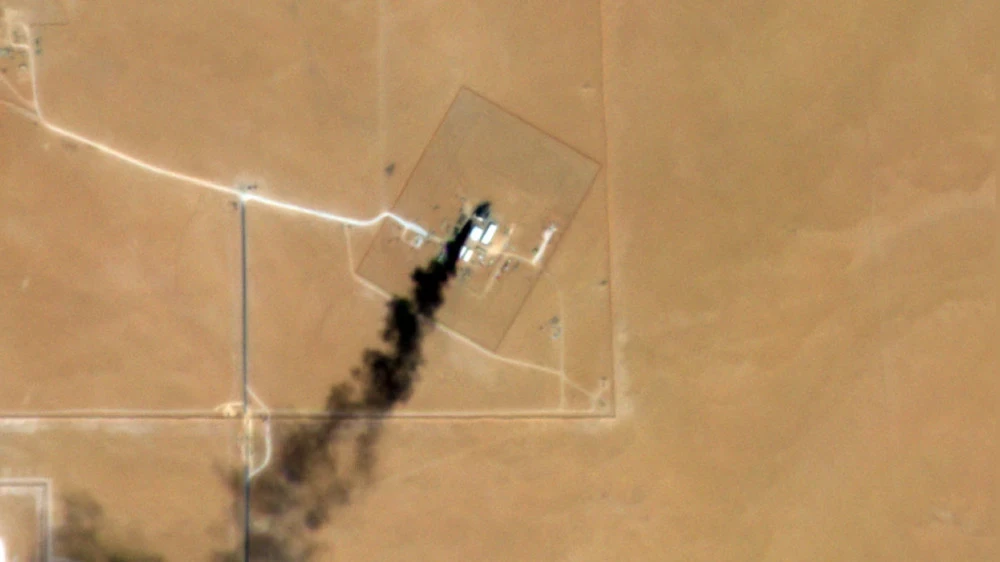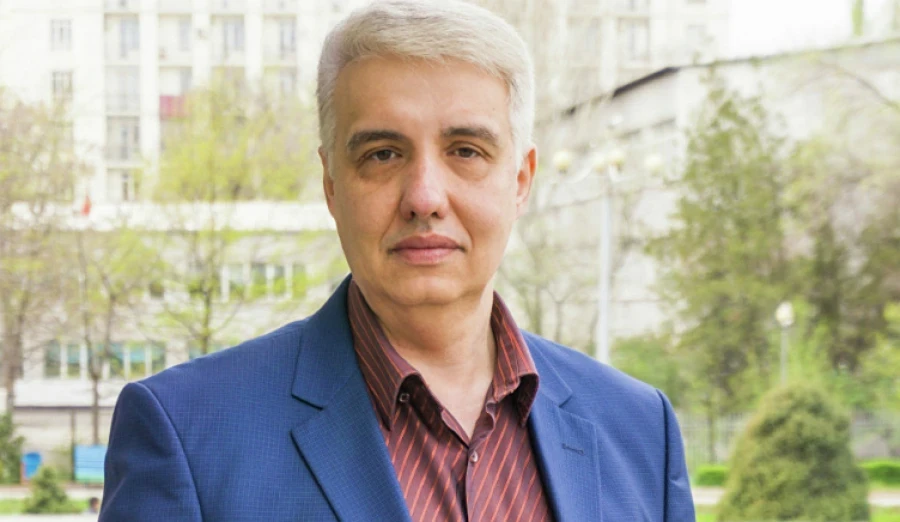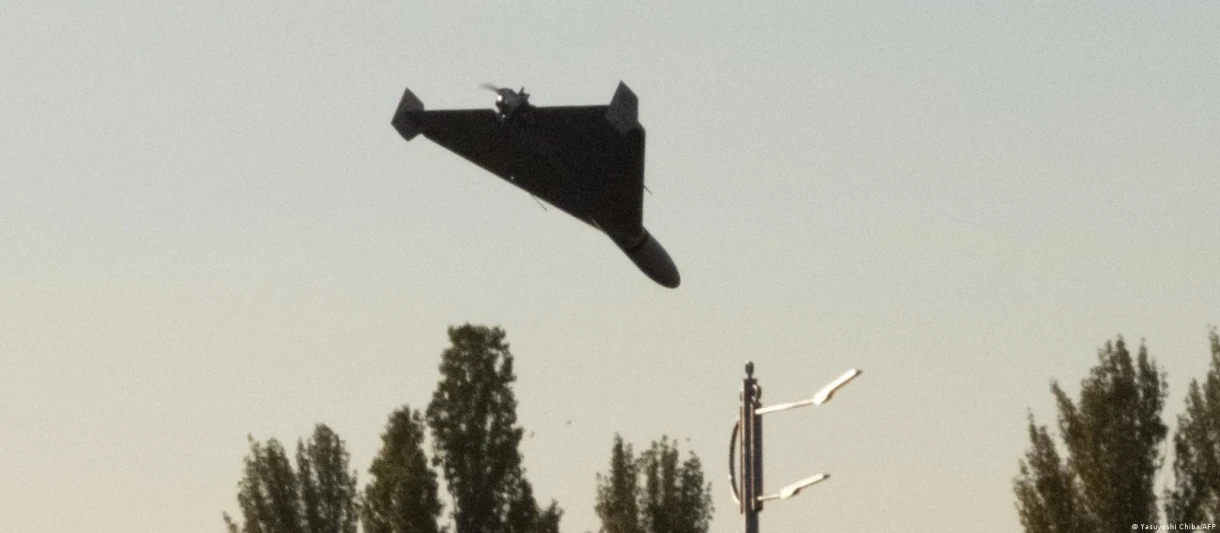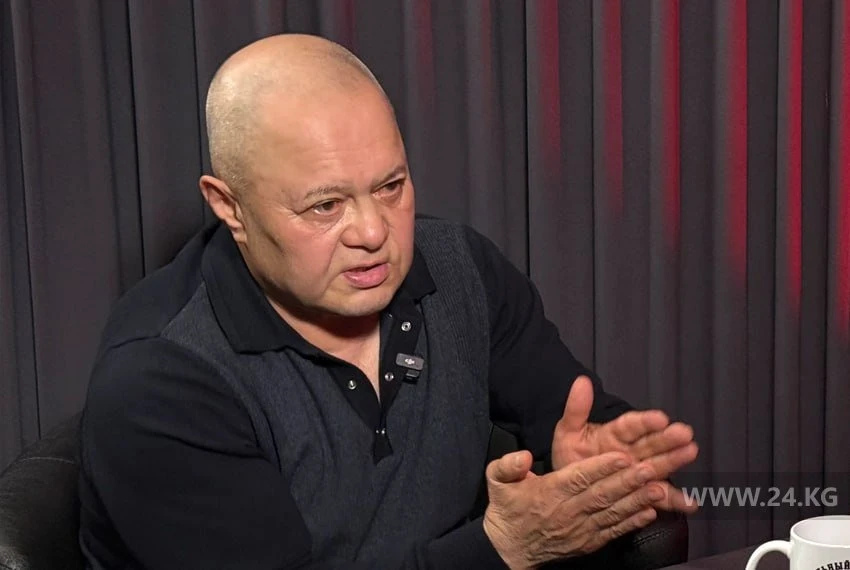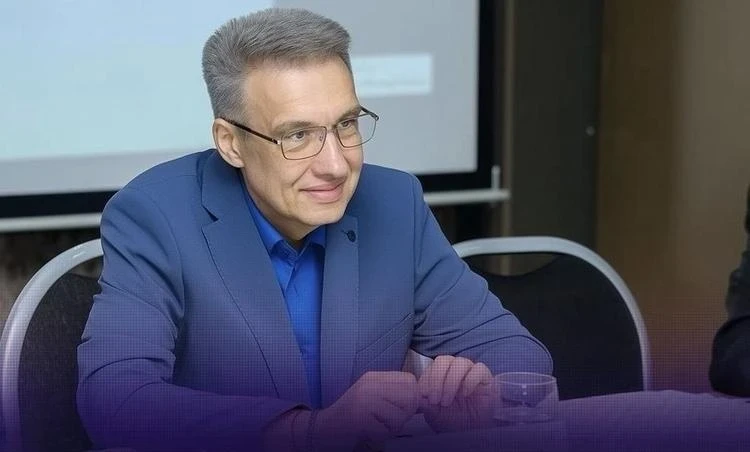
Recent military conflicts in the Middle East have demonstrated that American military bases, which were supposed to serve as "security umbrellas," have proven ineffective. Missile strikes and drone attacks from Iranian territory have inflicted damage not only on the bases themselves but also on the civilian infrastructure of Arab countries, including oil facilities. This was stated by Igor Shestakov, a political scientist and director of the Economic Initiatives Center "Oi Ordo," during a roundtable discussion on "Military Conflicts in the SCO Area of Responsibility: The Role of Kyrgyzstan in Ensuring Regional Security."
“Airstrikes have resulted in casualties among American military personnel and civilians. The most affected have been the United Arab Emirates, Kuwait, Bahrain, and Qatar. Qatar, by the way, is actively developing military cooperation with Central Asian states, but its defense strategy, which depends on American presence, has shown its vulnerability. Therefore, the ideas of returning NATO bases to Central Asia lack real grounds,” he emphasized.
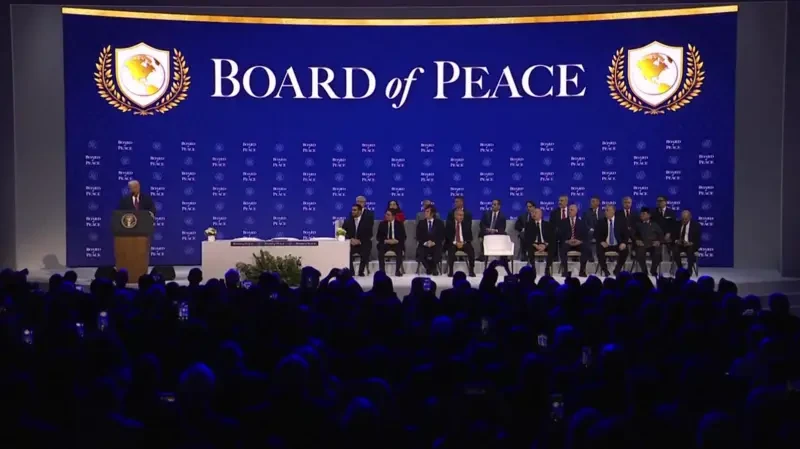
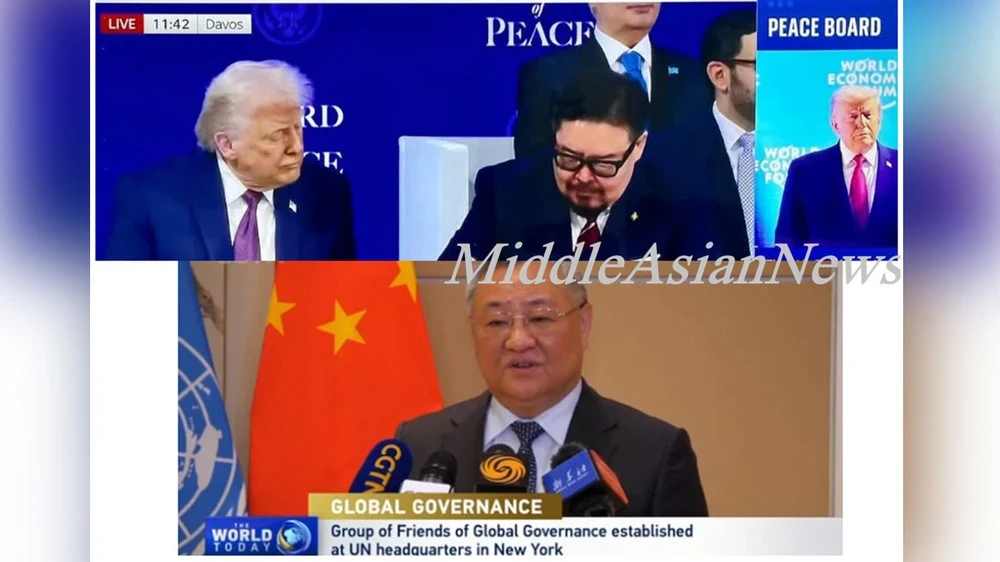
Shestakov also mentioned the establishment this year of a "Peace Council" at the initiative of the United States, which, according to experts, has not become an effective tool for achieving peace in the Middle East.
“The words of one of the defense ministers of the region come to mind: 'Every time politicians bring a dove of peace, the armies have to clean up after it.' This council is already perceived as an alternative to the UN, where besides exchanging opinions and declarations, nothing else happens. The rules of its functioning, including the exclusion of participants, are established solely by the U.S. administration. From Central Asia, Uzbekistan and Kazakhstan have joined this council, while Kyrgyzstan did not even receive an invitation to its founding meeting. The question of the real benefits of countries' participation in this council remains open. Experts note that only dependence on Washington's decisions is visible, and the question arises of how much the participants will be able to act in their national interests, especially regarding resource distribution,” Shestakov explained.
Moreover, U.S. military actions against Iran are perceived by many analysts as an attempt to counter China, as significant volumes of Iranian oil are sent to that country.
“Although events in the Middle East affect the transport logistics of Central Asia, as the countries of the region do not depend on Middle Eastern oil, the escalating conflict between Pakistan and the Taliban poses a direct threat. A large number of militants are concentrated in Afghanistan. If tensions between Kabul and Islamabad continue, this could lead to flows of refugees, and under the guise of peaceful citizens, terrorists intending to overthrow secular regimes may infiltrate Central Asian countries. The U.S. is also seeking to return its troops to the base in Bagram, indicating attempts to use the confrontation between Afghanistan and Pakistan for its own interests. It is not excluded that Turkey will also try to benefit from this situation,” he added.
According to the expert, the key question is who will be able to ensure security on the borders of Central Asia with Afghanistan.
“The SCO has not yet shown interest in this conflict. China's attempts to mediate disagreements between Pakistan and the Taliban have not yet yielded results. There is a likelihood that Turkey, seeking to take a leadership position in the region, will promote the creation of a military structure within the CSTO. However, given the economic crisis in Turkey, it lacks the resources to implement large-scale military projects. Thus, Ankara may be interested in selling its military products to Central Asian countries. Turkey's declared ideology of unity of the Turkic world raises doubts, as none of the CSTO countries proposed including Kyrgyzstan in the 'Peace Council,'” Shestakov summarized.
In conclusion, he believes that the only real guarantor of security in the region remains the CSTO, which demonstrated its effectiveness during the events in Kazakhstan in January 2022.
“Within the CSTO, a program for ensuring border security with Afghanistan is also being implemented,” added Igor Shestakov.