Experts analyze how Astana's foreign policy steps affect the situation not only in the Middle East but also in Central Asia
Kazakhstan is actively participating in new international initiatives for conflict resolution, demonstrating its growing role in regional politics. Recent actions by Astana on the Middle Eastern front have become an important signal for neighboring countries, especially in the context of prolonged crises and the diminishing influence of traditional global structures.
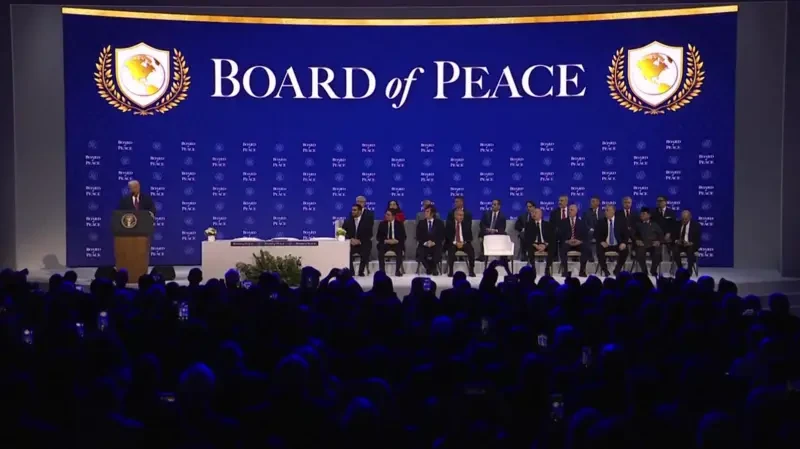
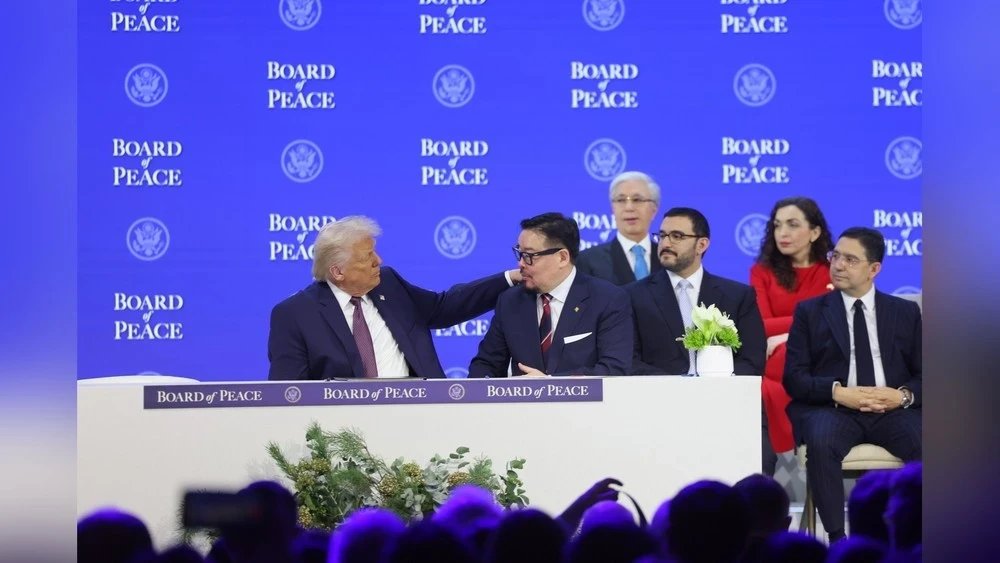
Key steps include Kazakhstan's joining the Abraham Accords and its participation in the Council of Peace, which serves as an additional mechanism for stabilizing the situation in Gaza and the Middle East as a whole. These actions are drawing interest not only from international players but also from Central Asia, where Kazakhstan's foreign policy is becoming an important benchmark.
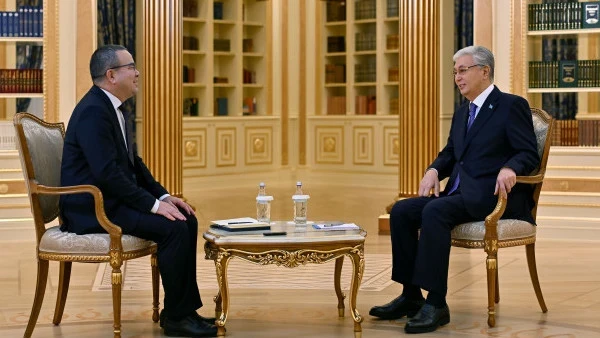
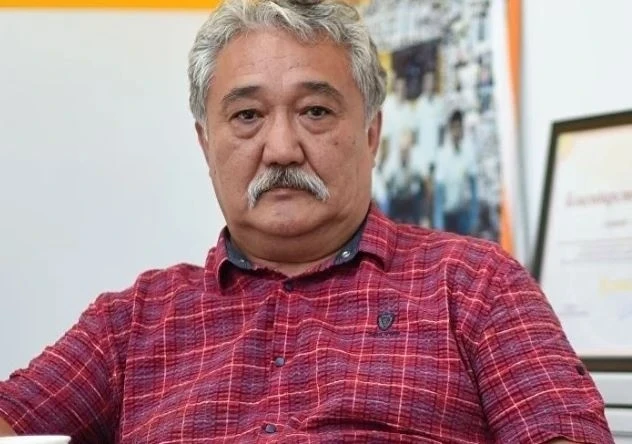
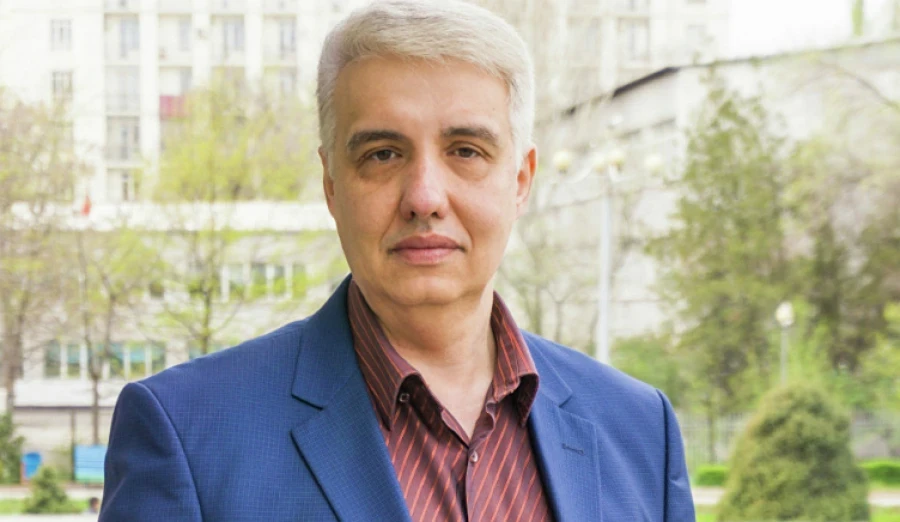
Political scientist Igor Shestakov noted in an interview with Vesti.kg that Kazakhstan has become the first post-Soviet state to join the Abraham Accords, highlighting Astana's multi-vector and independent approach to foreign policy.
Moreover, Kazakhstan's participation in the Council of Peace, established with the support of Donald Trump, shows that it is not just a tool for responding to current crises but a platform for shaping a new international agenda aimed at pragmatically resolving conflicts, according to Shestakov.
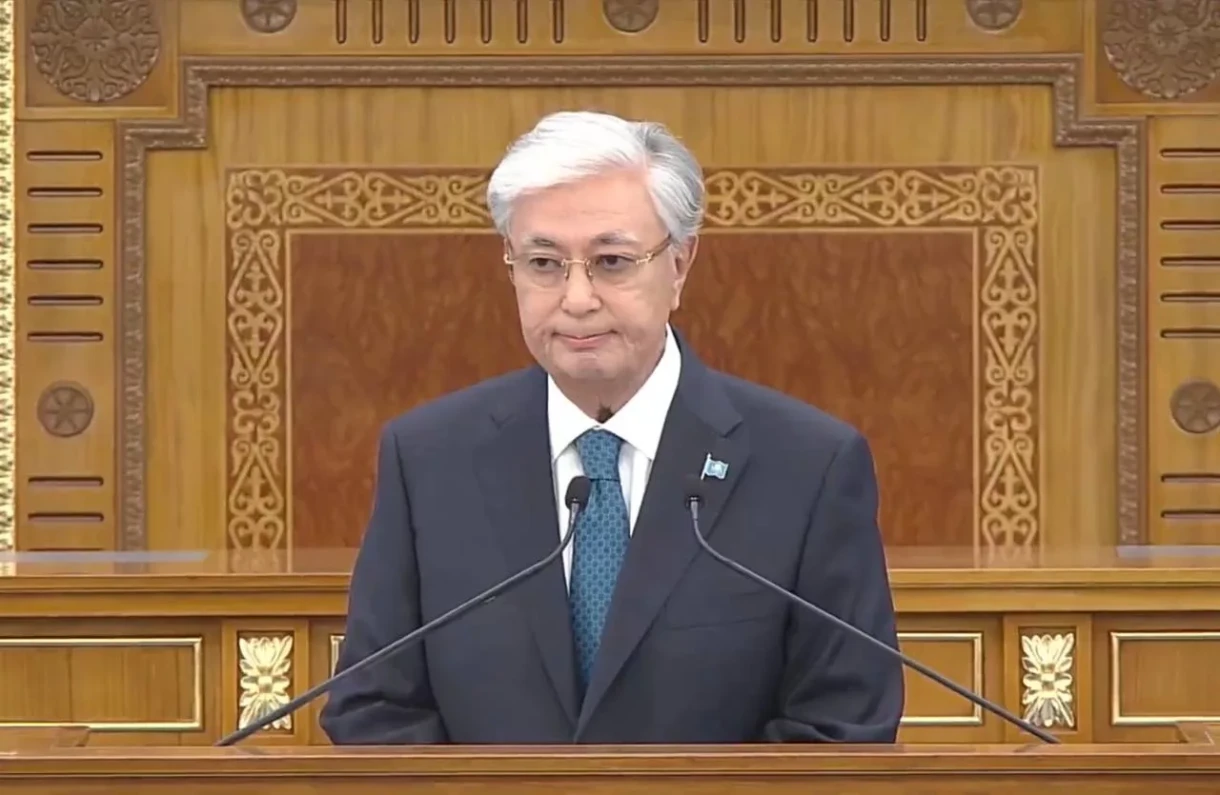
The diplomatic experience of President Kassym-Jomart Tokayev is also of particular significance. It is difficult to find a leader in the post-Soviet space with similar experience, which, according to the expert, explains Kazakhstan's measured steps in such a sensitive region as the Middle East.
Kazakhstan also possesses practical peacekeeping experience, participating in UN missions in countries such as Syria and Libya. This creates a reputation for the state as one capable of not only initiating but also actively implementing dialogue.
Events in Kazakhstan hold significant importance for Kyrgyzstan and other Central Asian countries. The region is actively developing economic and political cooperation with the Middle East, including investments and infrastructure projects. New formats of Kazakhstan's participation could serve as a model for interaction for other countries in the region.
Shestakov also emphasizes that Astana's activity is linked to Tokayev's broader position on the need to reform the UN, which, in his opinion, increasingly issues only declarative solutions that are unable to reduce tensions in conflict zones.
Thus, Kazakhstan seeks to complement existing international institutions with more flexible mechanisms. For Central Asia, including Kyrgyzstan, such a strategy may be particularly relevant in the context of rising regional risks and instability on the international stage.
Photo www