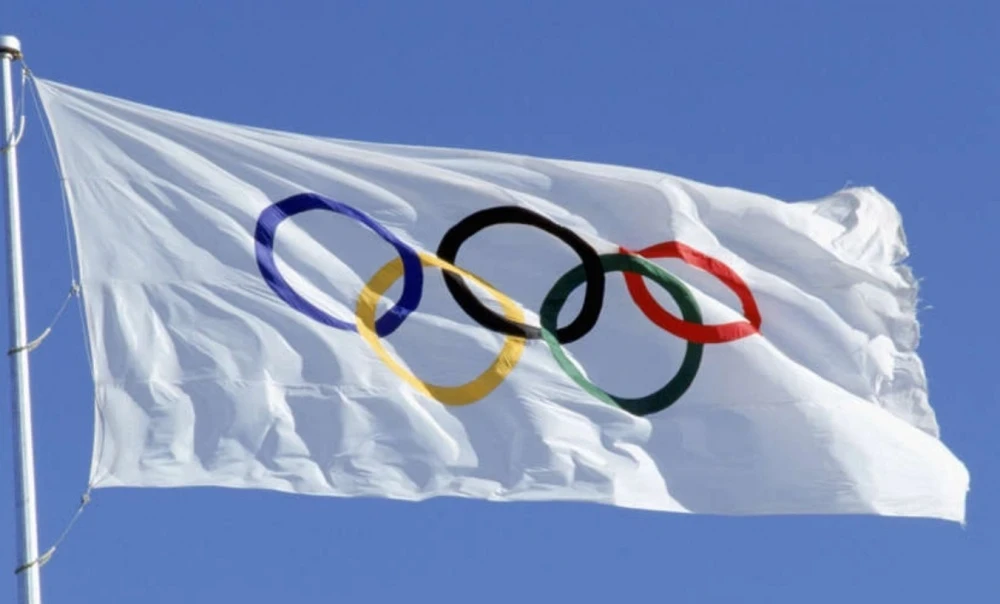
The Olympic Games have always been associated with the concept of a global truce; however, historical facts confirm that this is far from the case. Pierre de Coubertin, the initiator of the modern Olympic Games, dreamed of freeing sports from political influences. But in practice, the International Olympic Committee (IOC) often acted as a judge, imposing sanctions on entire countries. Over more than a hundred years of the Olympics, the list of expelled countries has become quite impressive, with reasons for their exclusion varying from wars to doping scandals.
The first major boycott of the games occurred during World War I. In 1920, Antwerp did not accept athletes from Germany, Austria, Hungary, Bulgaria, and Turkey, who were on the losing side. Four years later, Germans were again barred from competing in Paris. After World War II, a similar scenario repeated itself: in 1948, London welcomed athletes from around the world, except for representatives from Germany and Japan. During these times, sports were used as a means of punishment for aggression.
The longest exclusion from the Olympic family was that of the Republic of South Africa, which was suspended for a full 28 years from 1964 to 1992 due to its apartheid system and racial segregation. Only after the fall of this regime did South African athletes return to Olympic competitions. Political conflicts and internal issues also raised doubts about the participation of countries such as Iraq, Afghanistan, and Yugoslavia, highlighting the Olympic Charter's requirement to adhere to both sporting and humanitarian norms.
With the beginning of the new millennium, attention shifted to internal disagreements within sports structures. Kuwait, for example, faced consequences for attempts by the government to interfere in the affairs of the national Olympic committee. As a result, in 2016, Kuwaiti athletes were forced to compete under a neutral flag. However, the most resonant issue has been the prolonged crisis related to Russia. Initially, systemic doping scandals deprived the country of the opportunity to compete under its flag at the Olympic Games in Pyeongchang, Tokyo, and Beijing, and then the events of 2022 led to unprecedented measures. Today, Russian and Belarusian athletes have effectively become "athletes without a homeland," allowed to compete only as individual participants and under strict conditions.
These examples of exclusions vividly illustrate that, despite loud statements about "sports being outside politics," the Olympic arena continues to reflect all conflicts, intrigues, and changes in human society.