The period from 2015 to 2025 has become the hottest in recorded history, and 2025 may rank second or third in temperature records. Last year, the temperature exceeded pre-industrial levels (1850-1900) by 1.43 degrees Celsius.
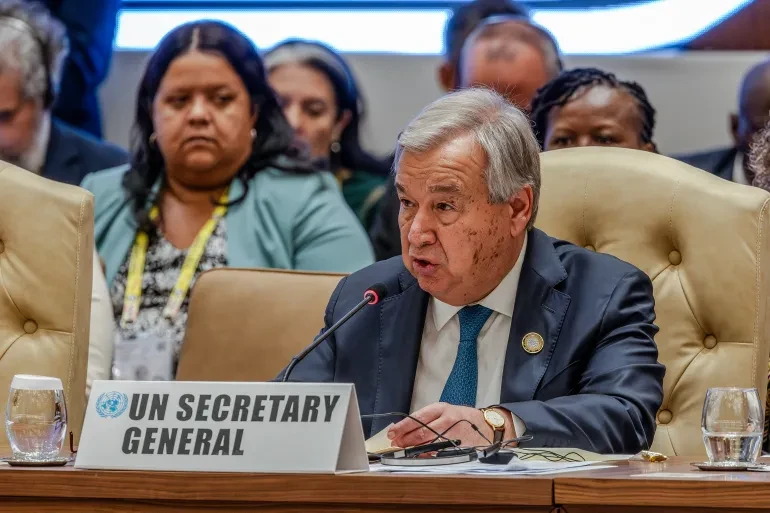
UN Secretary-General António Guterres noted: "All key climate indicators are signaling alarm. If history repeats itself eleven times, it is no longer a coincidence; it is a call to action".
Problems with Ocean Temperature and Glaciers
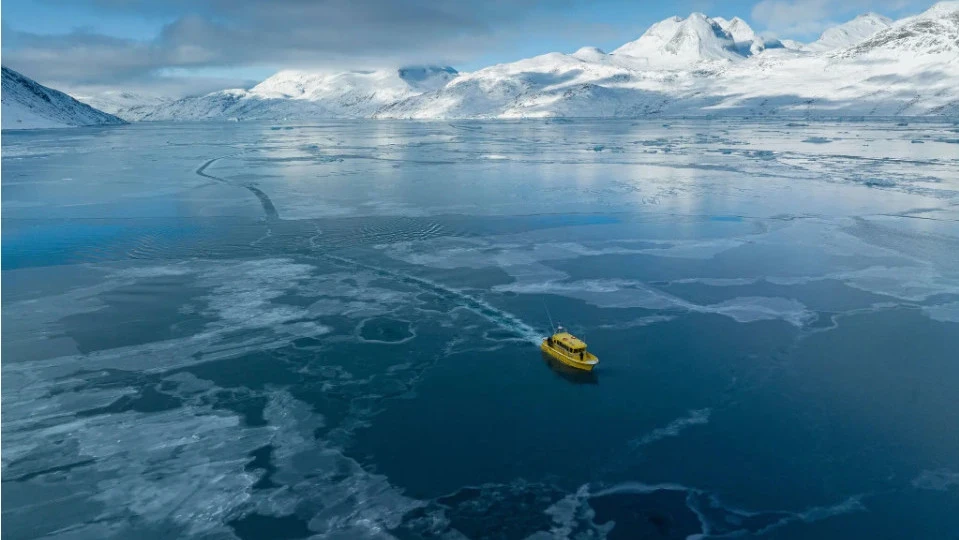
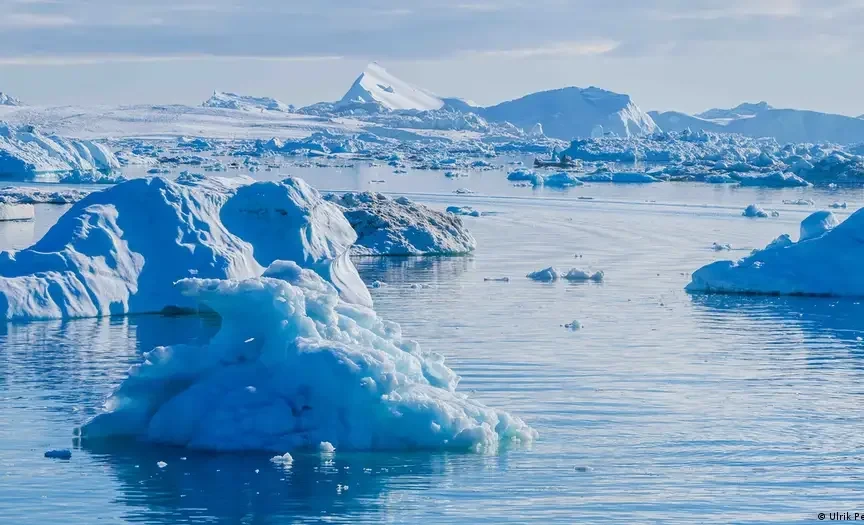
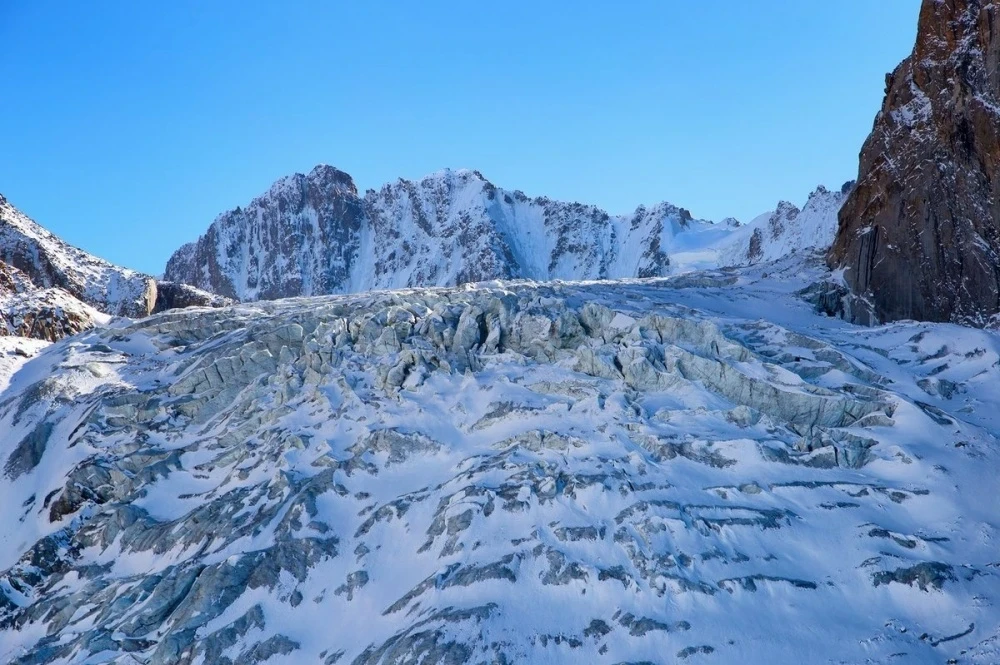
The world's oceans, which absorb more than 91% of excess heat, have set a new record for warming. Over the past two decades, they have accumulated energy equivalent to 18 years of human energy consumption.Glaciers continue to disappear rapidly: in 2025, Arctic sea ice reached record low levels, and Antarctica recorded the third lowest levels in history. Significant glacier loss is also observed in Iceland and along the Pacific coast of North America.
Sea levels continue to rise and are now 11 cm higher than in 1993, when satellite measurements began. Experts emphasize that the consequences of these changes will be felt for centuries, and changes in ocean temperature and acidity will be irreversible for millennia.
Energy Imbalance
The WMO report introduces for the first time the measure of Earth's energy imbalance—the difference between solar energy received by the planet and heat that escapes back into space. This imbalance has reached a maximum in the 65 years of observation.WMO Secretary-General Celeste Saulo noted: "Humanity continues to disrupt the natural balance, and we will face the consequences of this phenomenon for hundreds and thousands of years".
“Delay Could Cost Lives”
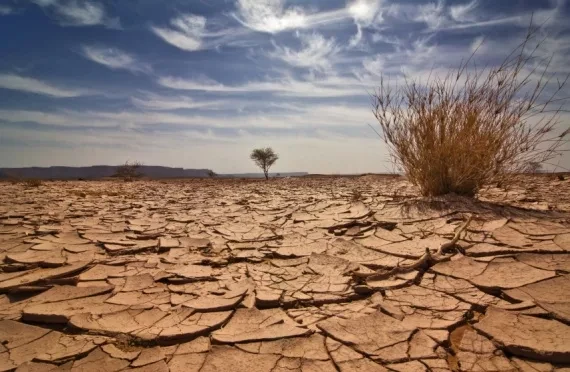
In 2025, extreme weather events, including droughts, storms, floods, and wildfires, led to thousands of casualties, millions affected, and enormous economic losses. The report also notes an increase in food insecurity, rising migration, and worsening public health, including the spread of dengue fever and increased heat stress.Guterres emphasized: "In the context of current conflicts, climate disasters highlight the importance of our dependence on fossil fuels, which undermines both climate and global security. This report should serve as a warning: climate chaos is escalating, and delay could cost lives".
The photo on the main page is illustrative: Adobestock / Fahad.