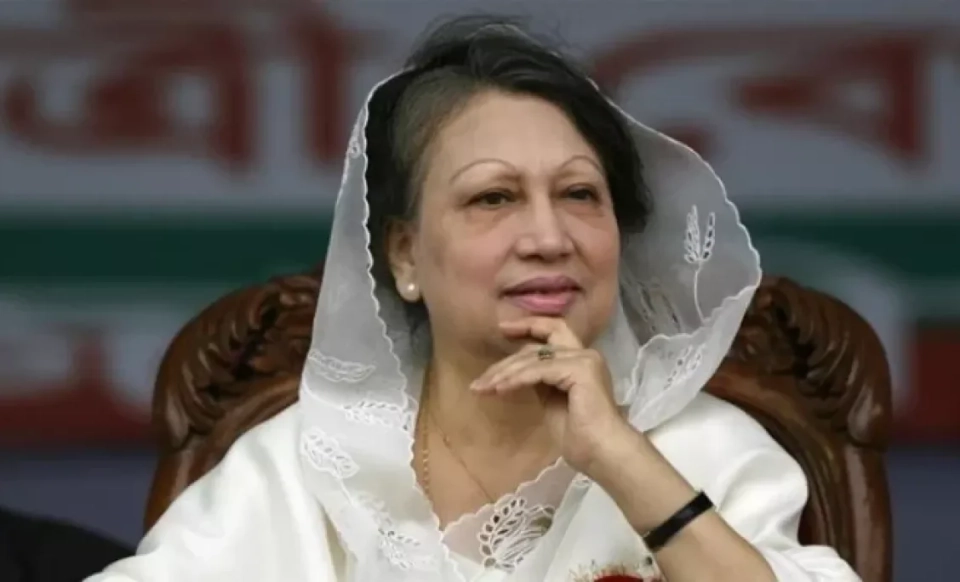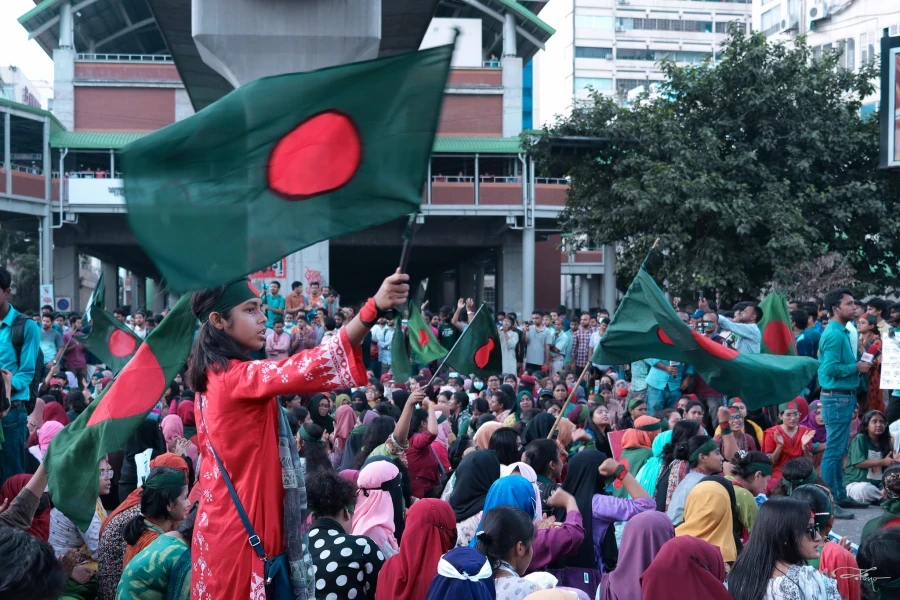
With the upcoming elections in Bangladesh scheduled for February 12, Islamist parties are beginning to actively assert themselves. These organizations, which have long been under pressure and restrictions, are seeking to reclaim their positions in public politics, taking advantage of the changed political situation, reports Barron’s.
With a population of about 170 million, the majority of whom practice Sunni Islam, Bangladesh is preparing for its first elections after the events of 2024 that led to a change in power. In this context, Islamist organizations have begun active mobilization to gain representation in government bodies.
The most influential force among them is the Jamaat-e-Islami party. After many years of bans and pressure, the party is taking steps to return to the political process. In the lead-up to the elections, Jamaat-e-Islami and its allies are forming coordinated candidate lists and establishing cooperation with other political forces, including the National Civil Party, created by students of the 2024 protest movement.
Under the previous government, authorities implemented a tough policy towards Islamist movements, leading to trials and restrictions on their activities. Following the change in the political situation, some Islamist leaders were released, and their movements became more visible in public life.
In their programmatic statements, Islamist parties emphasize the need to protect traditional values and advocate for the regulation of cultural events that they believe may contradict religious norms. Within the movement, there is ideological diversity—from Deobandi organizations to groups following Wahhabi and Salafist trends.
Moreover, other religious directions continue to hold influence in society. The Sufi tradition occupies a significant place among Muslims in Bangladesh, and there are also Shiites, Ahmadis, and non-Muslim communities, including Hindus and Christians, living in the country. This religious pluralism plays an important role in the political balance.
Experts believe that the active participation of Islamist parties in the upcoming elections reflects a broader process of political restructuring and the search for a new equilibrium in the country. Analysts emphasize that the actual influence of these parties will depend on the election results and the ability of various political players to engage in dialogue within the constitutional process.
Photo www