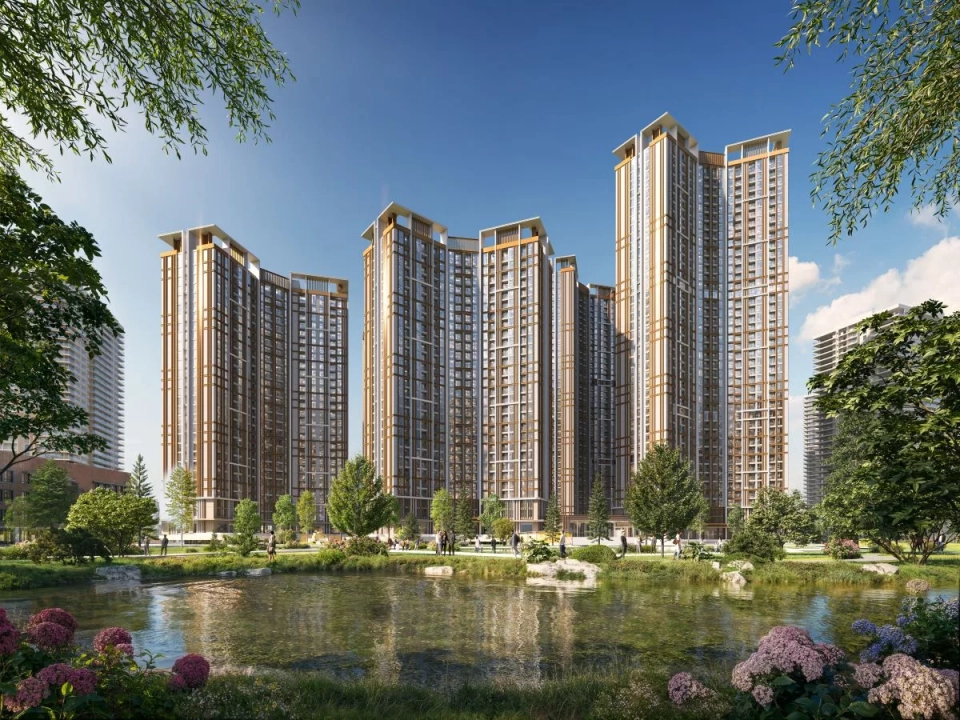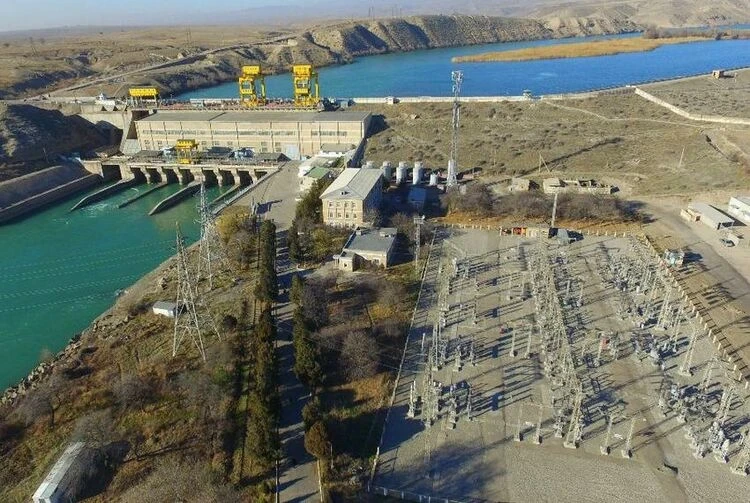
In each of the 903 mahallas, small solar power plants with a capacity of 300 kilowatts will be installed and provided to local residents free of charge. These installations will help create an economic asset that will generate income of 400-500 million sums for each mahalla. The funds generated are planned to be directed towards energy-efficient repairs of housing for needy families, as well as to reduce electricity costs and improve the quality of life. Similar measures will also be implemented in another 1000 mahallas with a high level of specialization.
Additional financial mechanisms will be introduced to support the specialization of mahallas. In particular, 50% of the costs for purchasing certified seedlings for farms and household plots will be compensated from the budget. Additionally, subsidies for trellises ranging from 20,000 to 70,000 sums are provided, and owners who implement drip irrigation will receive compensation of 160,000 sums for each hundred square meters.
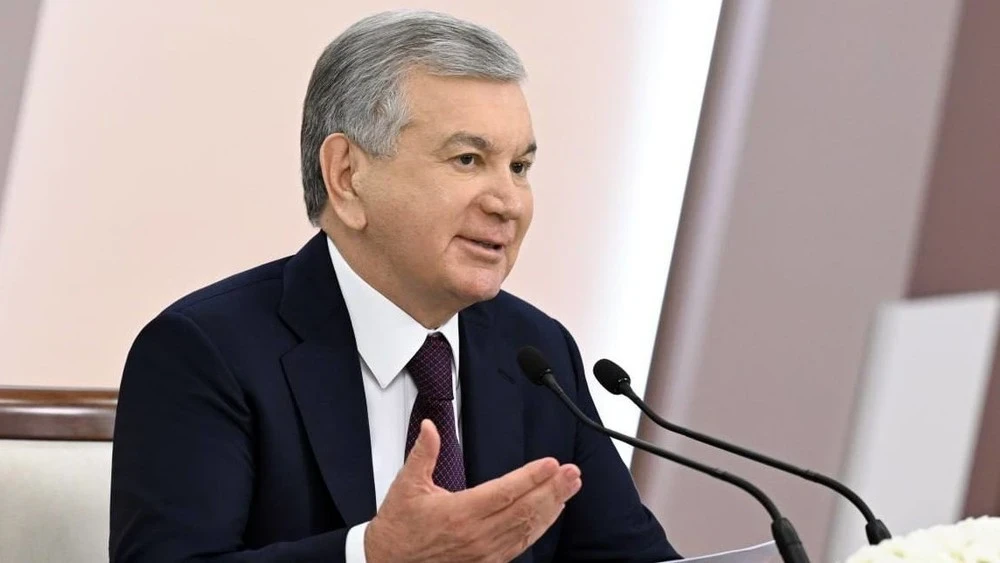
In 2026, it is planned to allocate 140 trillion sums for the development of small and medium-sized businesses. The President noted that in 37 "heavy" districts, as part of the "Family Entrepreneurship" program, loans will be provided at 12% per annum. The maximum amount of preferential loans under the program will also be increased by 1.5 times to 50 million sums.
In 563 mahallas located in border areas and enclaves, the loan amount for entrepreneurial projects will be up to 1 billion sums. In addition to the already planned 3.6 trillion sums, an additional 2 trillion sums will be allocated. This year, banks will provide a total of 17 trillion sums in loans to deepen the specialization of mahallas.
Furthermore, 4,000 low-income families will be allocated 50 hundredths of forest land for 10 years to create mulberry gardens, totaling 2,000 hectares. Additionally, 4 million sums in subsidies will be allocated to needy families for organizing sericulture cooperatives.
Additional funding of 1 billion sums will be allocated for 100 "heavy" mahallas that demonstrate the best results in job creation and increasing the income of the population. The assistants to the khokim working in these mahallas will be sent for a month-long training course in China, Turkey, Korea, and Malaysia.
From this point on, the appointment and dismissal of assistants to the khokim, women activists, and youth leaders will be carried out by the district khokim based on the recommendations of the mahalla chairperson.