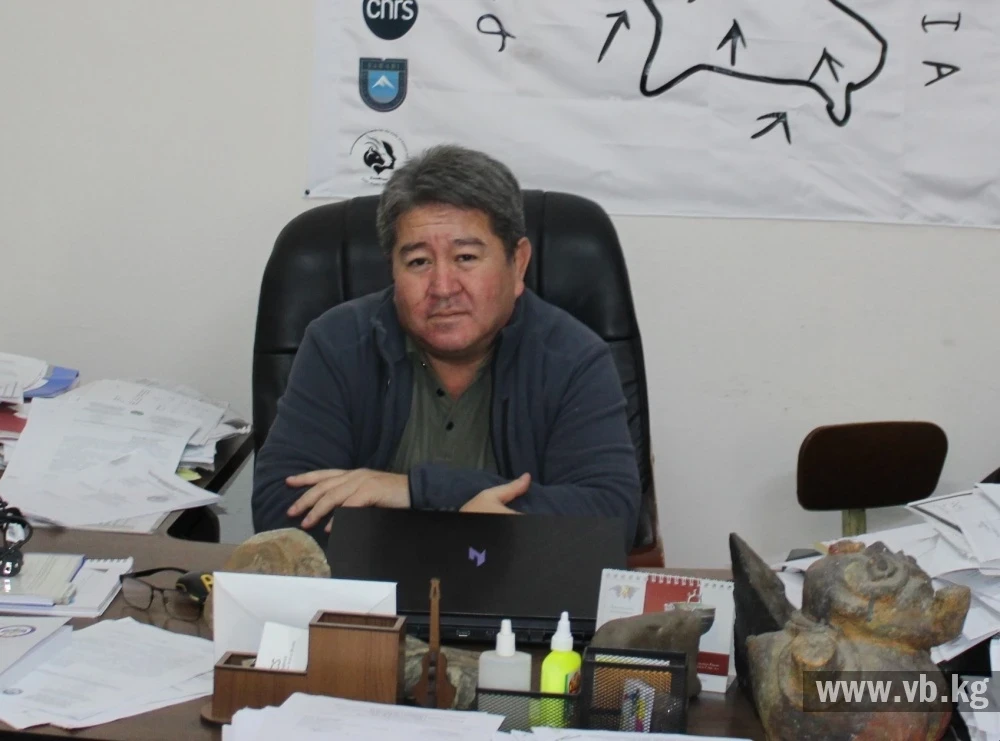
In Kyrgyzstan, a unique methodological guide has emerged that allows for the rapid diagnosis of the condition of pasture lands. This method enables the determination of soil degradation and the quality of grass cover in just 30–40 minutes. Natalia Kilyazova, head of the pasture and feed department at the relevant research institute under the Ministry of Agriculture, reported that the development was made possible through the collaborative efforts of leading scientific institutes and veterinary services in the country. The assessment is based on key indicators such as the condition of vegetation, the level of stoniness, and the spread of weeds, allowing specialists to promptly take measures to preserve the feed base.
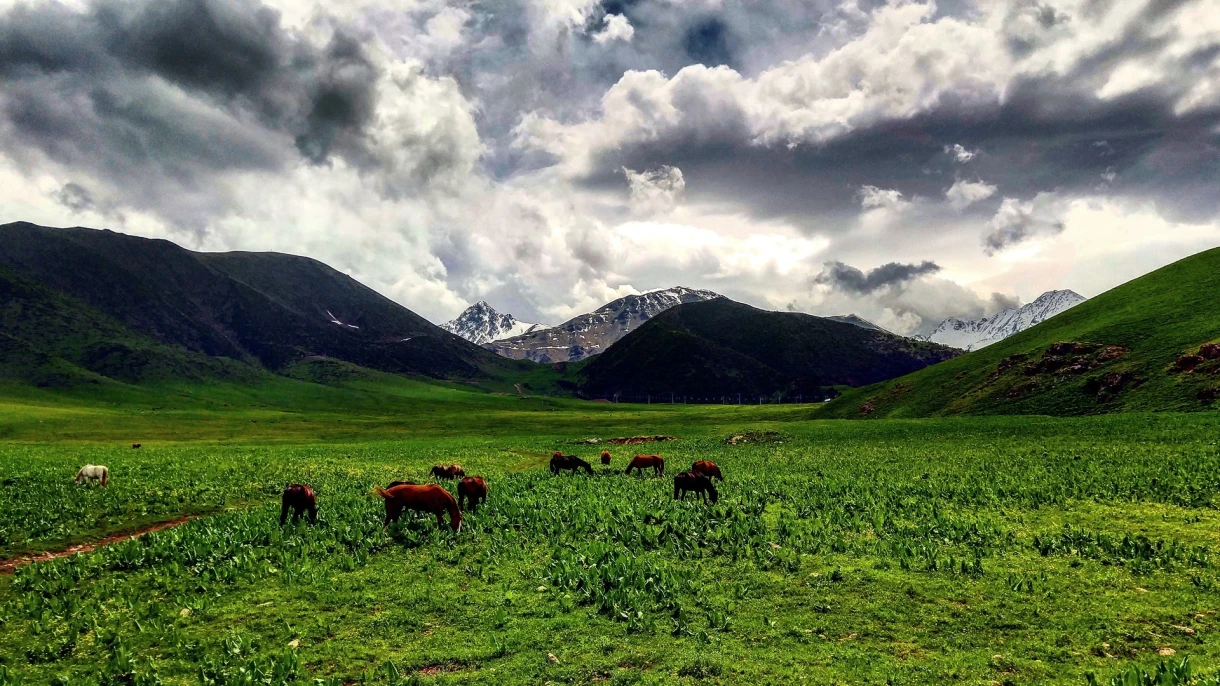
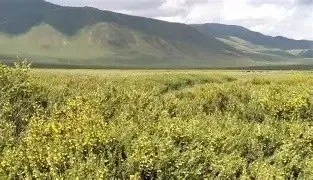
Initial studies conducted using this methodology showed that the famous Susamyr Valley retains its rich plant life; however, it faces a serious threat — the aggressive spread of the shrub Caragana (altygana). Local livestock breeders were the first to notice that this plant is "capturing" territory, making grazing almost impossible. In response to this problem, specialists began to apply effective control methods: in flat areas, low-toxicity herbicides are used, which help forage grasses recover in just one season, while in challenging zones, mechanical uprooting is carried out followed by the reseeding of perennial grasses.
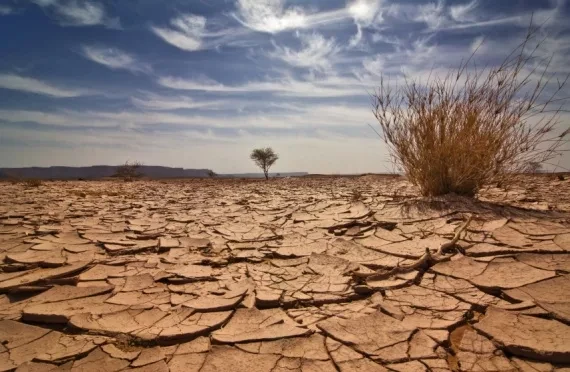
The Ministry of Agriculture emphasizes that the clearing of pastures is carried out purposefully and under strict environmental control. The main goal is to halt land degradation and restore their status as full-fledged forage lands, as the spread of Caragana not only deprives livestock of food but also creates safety risks for them. The work on implementing the new assessment methodology and eradicating harmful shrubs will be expanded nationwide to prevent the depletion of natural resources and support the livestock sector.