In the morning, there is high activity in the classrooms of the Probation Department under the Ministry of Justice of the Kyrgyz Republic. Here, people are mastering various professions: some are learning culinary skills, others are studying plumbing, while others are trying their hand at being hairdressers. The launched vocational courses aim to help probation participants acquire in-demand skills and return to a full life in society.
The courses cover three key areas: culinary arts, plumbing, and hairdressing. Each area has its own equipment and class schedule, where theory harmoniously combines with practical sessions. This approach allows learners to gradually master their profession and apply their knowledge in practice.
The training program lasts for five months and includes groups of 12 people. The course structure is well thought out: future chefs start by studying recipes, calculations, and cost analysis of dishes, as well as learning to plan purchases, which helps avoid product overuse, and only then move on to practical classes. A similar methodology is used in other courses.
Nurlanbek Bazarbaev, the deputy director of the department, noted that the main goal of this initiative is to assist probation participants in returning to normal life.
- We opened the courses to give our clients the opportunity to take their place in society, gain additional knowledge, and master a new profession. This helps them start a new life and become in-demand specialists, - he noted.
The choice of training directions is based on labor market needs. The food service sector is actively developing, the construction industry is experiencing a shortage of plumbers, and the profession of hairdresser remains relevant and profitable.
- We focus on the real needs of the labor market. The main thing is that after completing the training, a person can find a job and support themselves, - Bazarbaev added.
Previously, there were also courses for drivers; however, this program is currently undergoing reform. After resolving legal issues, driver training will be resumed.
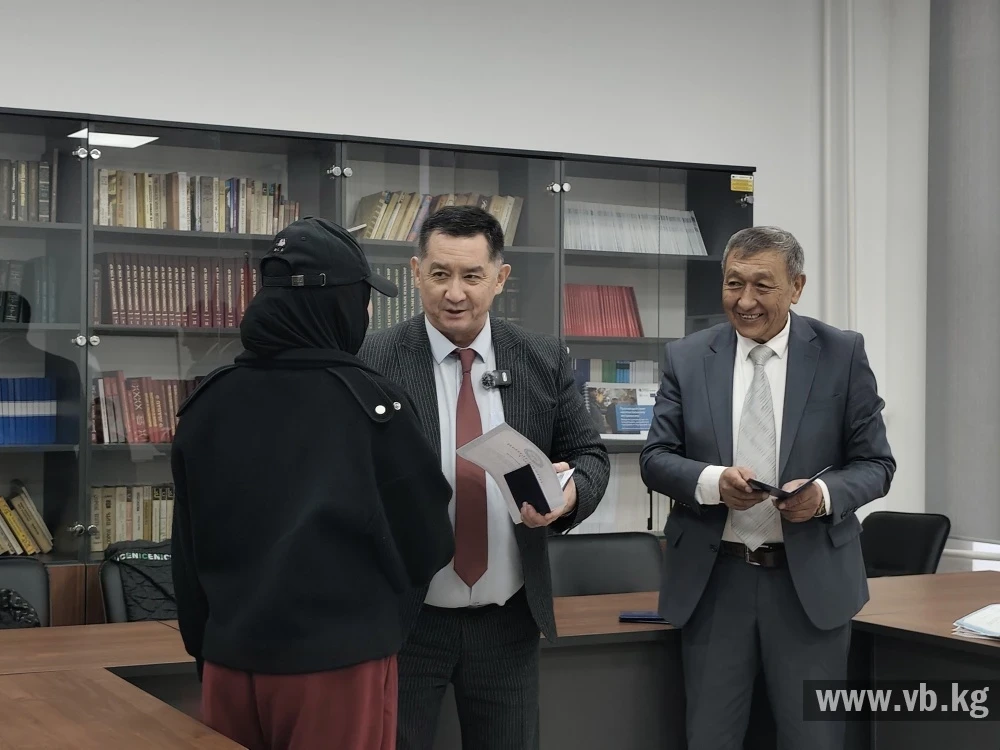
The first results are already noticeable: the first cohort of chefs and plumbers has completed their training and received certificates.
- Having a certificate is already a success for us. In the private sector, having confirming documents is becoming increasingly important for employment, - he emphasized.
The department strives not only to provide training but also to assist in the employment of its graduates.
- We do everything possible to ensure that graduates not only acquire a profession but also find work. If someone has difficulties with employment, we help them. During probation supervision, it is important for a person to be engaged, and we create all the necessary conditions for this, - Bazarbaev noted.
Psychological support for participants also plays an important role. Specialists conduct individual consultations, assess emotional states, and develop personalized support programs.
Enrollment in the courses is on a voluntary basis.
- Resocialization is impossible without the person's desire. We cannot force anyone. Our task is to create suitable conditions and support those who are ready to change their lives, - he concluded.
The project has long-term prospects. Plans include expanding the list of professions and increasing the number of facilities for practical classes.
The department notes that the program is already demonstrating real results, helping people return to professional activities and a full life in society.
Reference: The Law of the Kyrgyz Republic "On Probation" was adopted on February 24, 2017, and came into force on January 1, 2019. Since September 2019, the probation institute has been transferred to the Ministry of Justice, where the Probation Department was established. The main task of probation is the resocialization of offenders, their return to law-abiding life, and the reduction of recidivism.
Prepared by: Elizaveta Bliznyuk