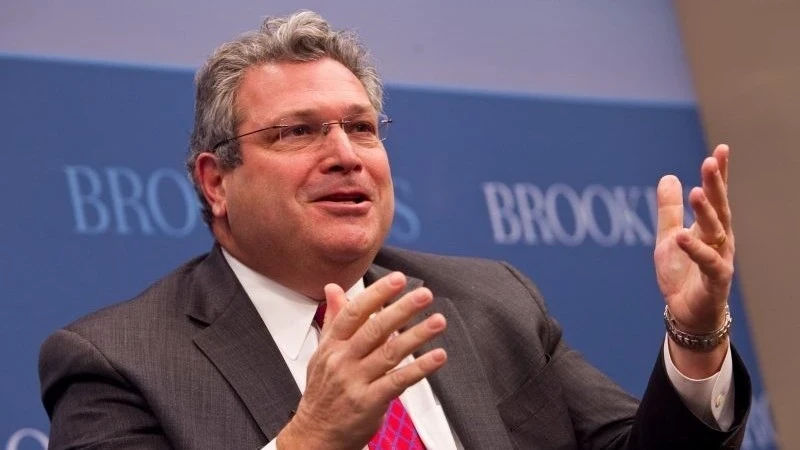
Eswar Prasad, a professor of economics and author of the book “The Future of Money: How the Digital Revolution is Changing Currencies and Finance”, in his report for the International Monetary Fund, examined the impact of stablecoins on the global financial system.
According to Prasad, cryptocurrencies were initially created to reduce dependence on central banks and large financial intermediaries. Bitcoin and other blockchain-based assets were intended to provide users with direct access to financial services, bypassing intermediaries.
However, high volatility and limited capacity to process significant volumes of transactions have made cryptocurrencies less practical for regular use.
In response to these shortcomings, stablecoins emerged in the market, which are digital assets whose value is tied to stable reserves, such as national currencies or bonds. This makes them more reliable means of exchange compared to traditional cryptocurrencies.
The professor mentioned examples of stablecoins such as USDT and USDC.
“Dollar-backed stablecoins are the most popular in the world. Ultimately, they may indirectly strengthen the dollar's position in the global payment system,” noted Eswar Prasad.
He also pointed out that stablecoins could enhance the existing structure of the international monetary system, increasing the influence of countries with strong reserve currencies.
At the same time, countries with less developed financial systems may find themselves in a vulnerable situation.
“States with limited regulatory capabilities may be forced to follow the rules set by more influential countries,” added the professor.
In Prasad's opinion, despite the potential benefits, stablecoins could lead to even greater concentration of financial power and increased global instability.
“While stablecoins serve a useful function, they could lead to the formation of a new financial order that does not promote innovation and competition, but rather exacerbates instability,” concluded Eswar Prasad.