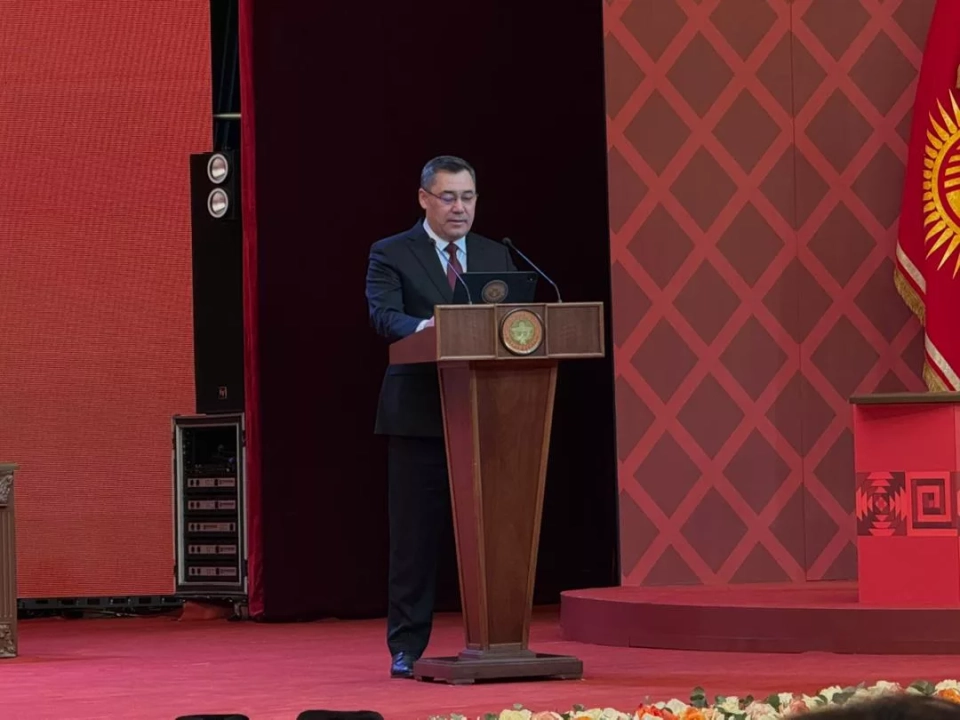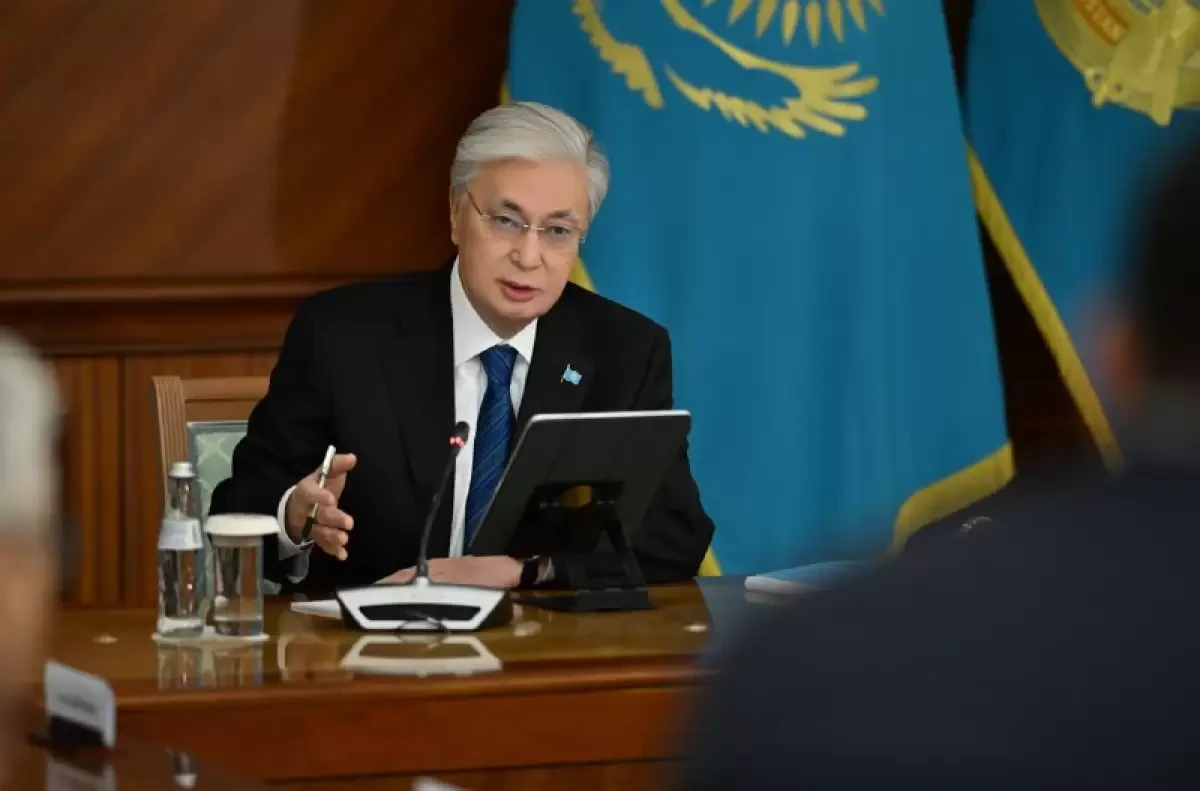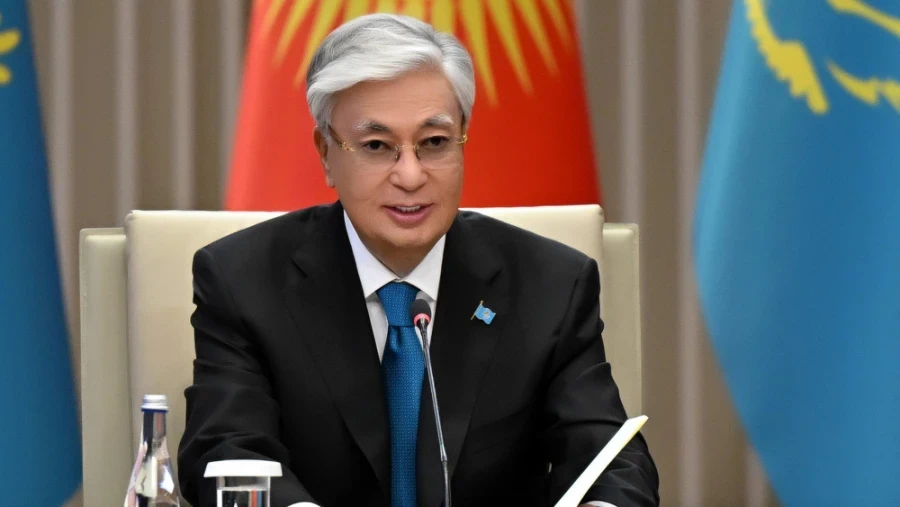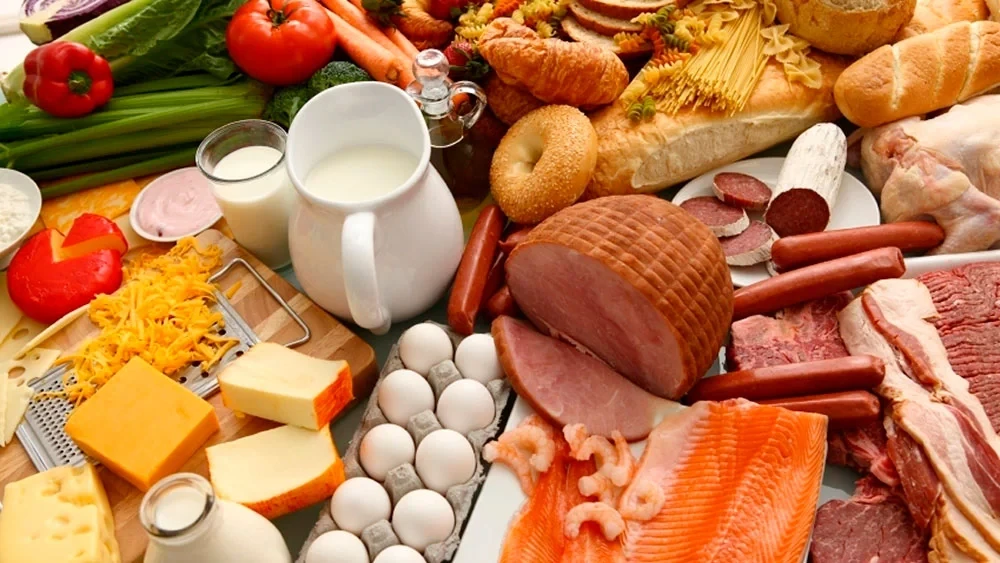

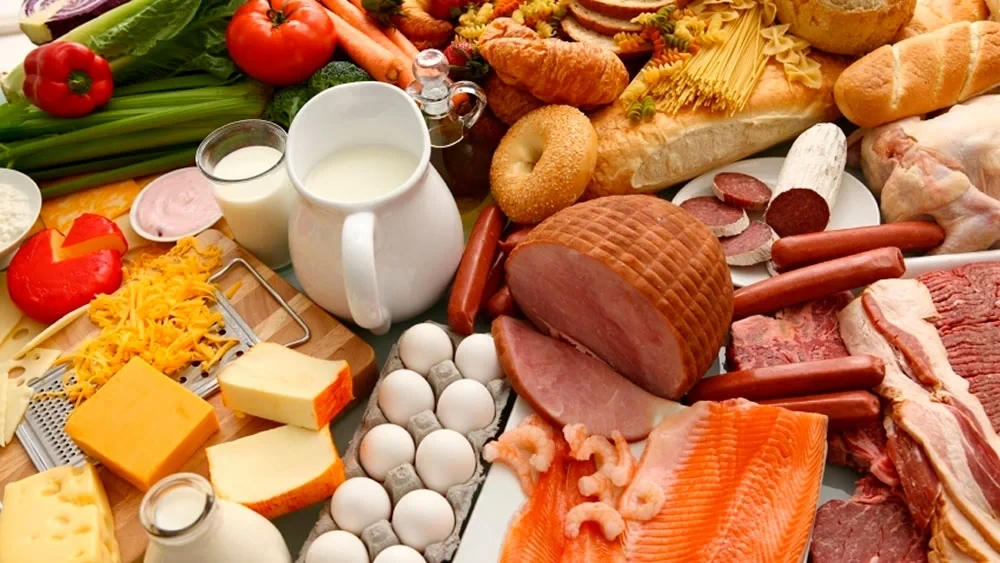

At a recent republican meeting dedicated to socio-economic outcomes, President Sadyr Japarov announced that Kyrgyzstan currently provides itself with six out of nine key food products.
He noted that achieving such indicators is an important step towards the country's food security. Previously, a large portion of these goods was imported, but in the coming years, the republic intends to achieve complete self-sufficiency in the remaining three categories.
Current Situation
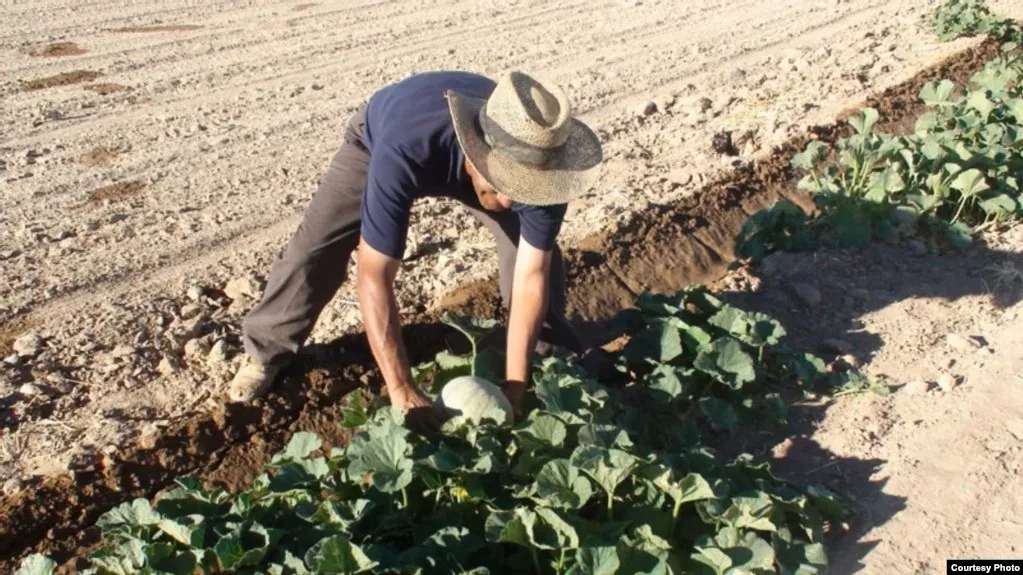
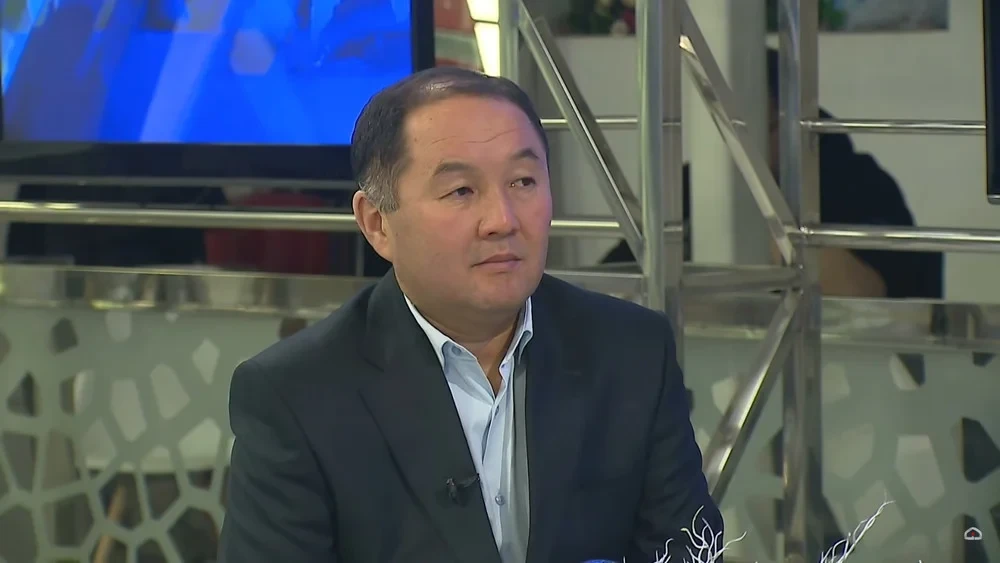
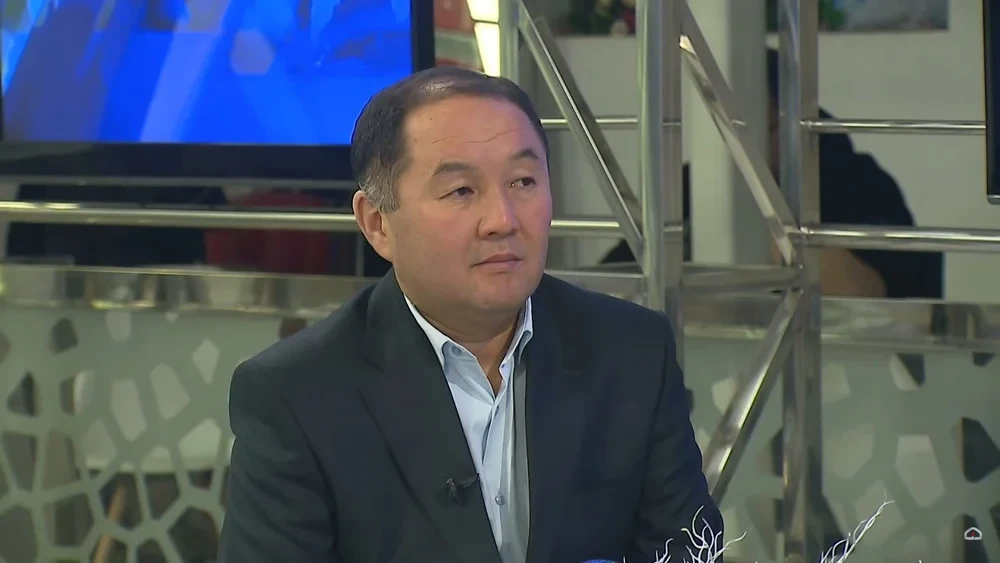
According to Uran Chekirbaev, head of the food security department of the Ministry of Agriculture of the Kyrgyz Republic, the republic fully meets its needs for meat, sugar, milk, eggs, potatoes, vegetables, and melons. However, dependence on imports remains for vegetable oil and flour, which predominantly come from Russia and Kazakhstan, as well as for citrus fruits, mainly imported from China.

Problems in the Grain Sector
The issue of self-sufficiency in flour remains relevant due to high competition. Chekirbaev pointed out that grain from Russia and Kazakhstan surpasses local production in quality and volume of hard varieties.
“In neighboring countries, large manufacturing enterprises operate, while in Kyrgyzstan, small farms dominate. This leads to a higher cost of our grain, reducing its competitiveness,” he explained.Additionally, Uran Chekirbaev noted that the priority will be the import of food wheat for further processing within the country, which will help meet domestic needs and create potential for exporting finished products.
Recommendations for Farmers and Government Support

To enhance agricultural efficiency, farmers should implement modern irrigation methods, such as drip and sprinkler systems. The government actively supports such initiatives by offering subsidies and loans on favorable terms.