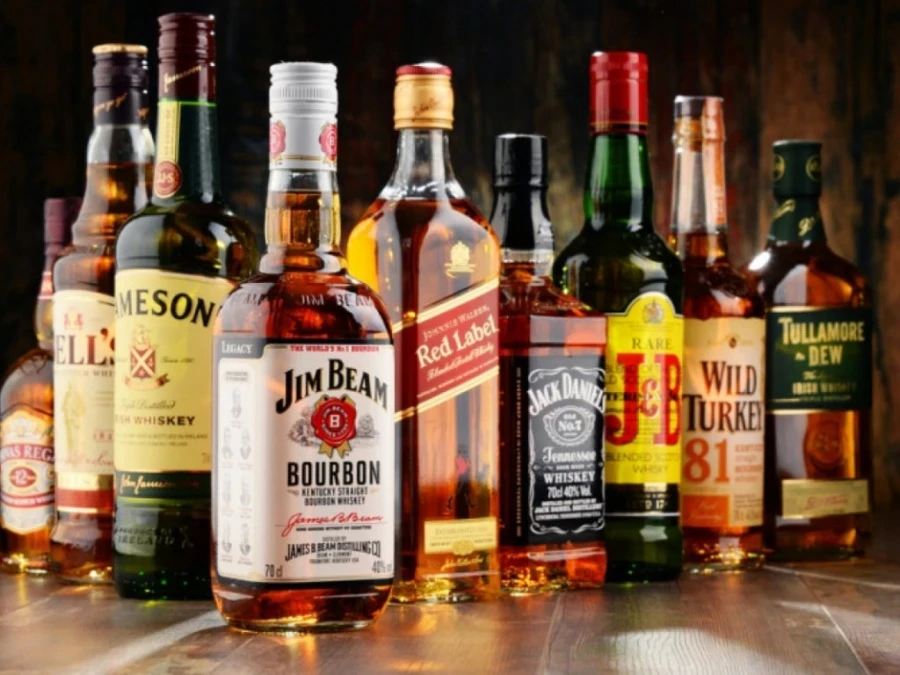
FT analyzed the impact of inflation on the alcohol industry
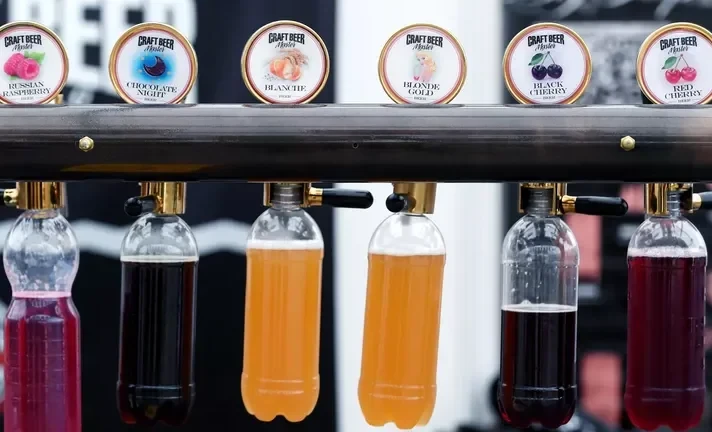
The decline in interest in beverages such as Scotch whisky, cognac, and tequila has caused serious problems for producers, who are facing a surplus of unsold goods. This is reported by the Financial Times.
The publication notes that this situation has forced companies to conserve factories and reduce prices on their products for the quick sale of accumulated stocks. Currently, the five largest European alcohol companies — Diageo, Pernod Ricard, Campari, Brown Forman, and Rémy Cointreau — have inventories worth $22 billion, which is the highest level in the last 10 years, as reported by RBC.
During the coronavirus pandemic, there was a surge in alcohol sales worldwide, prompting European companies to increase production. "In 2021 and 2022, everyone lost control and decided that high demand would continue," the publication quotes Bernstein analyst Trevor Stirling.
In his opinion, the sharp rise in inflation has once again brought the industry back to reality. The decline in disposable income over the past few years has affected the demand for alcohol, leading to a wave of profit warnings, management changes, and mass exits of shareholders from leading companies in the sector, as FT reports.
In December 2025, the European Commission published its annual agricultural forecast, predicting a possible reduction in wine consumption in Europe by more than 9% by 2035. Analysts at IWSR (International Wine and Spirits Research) also forecast an overall decline in alcohol consumption worldwide: beer by 0.2%, spirits by 1.3%, and wine by 2.4%.
Photo www