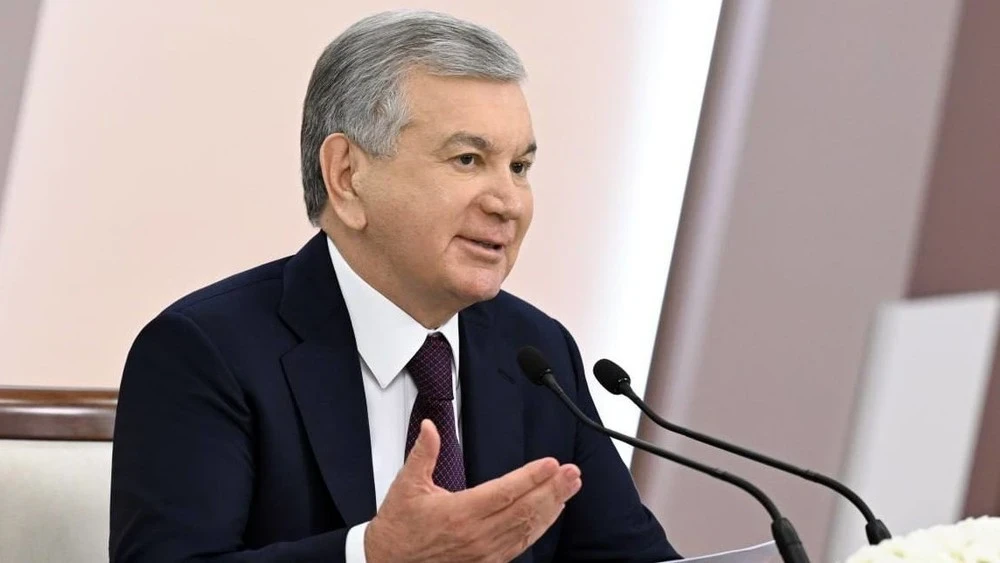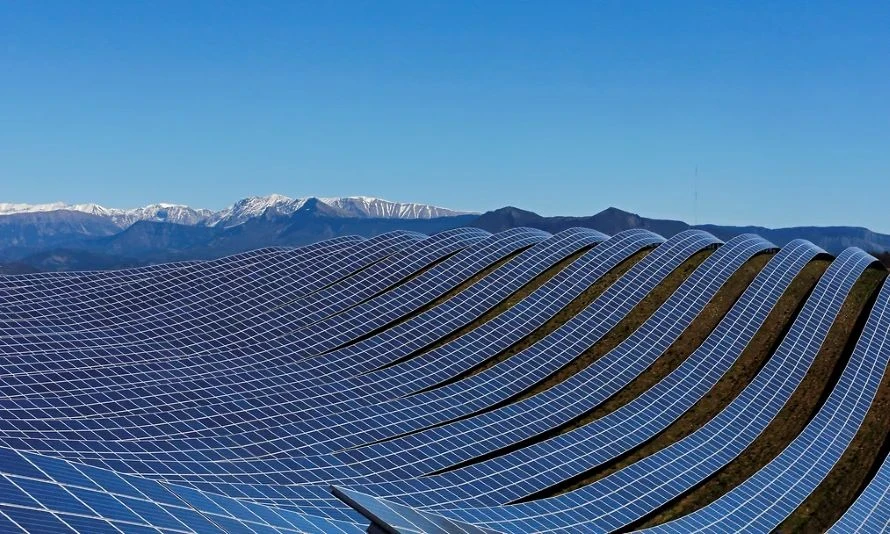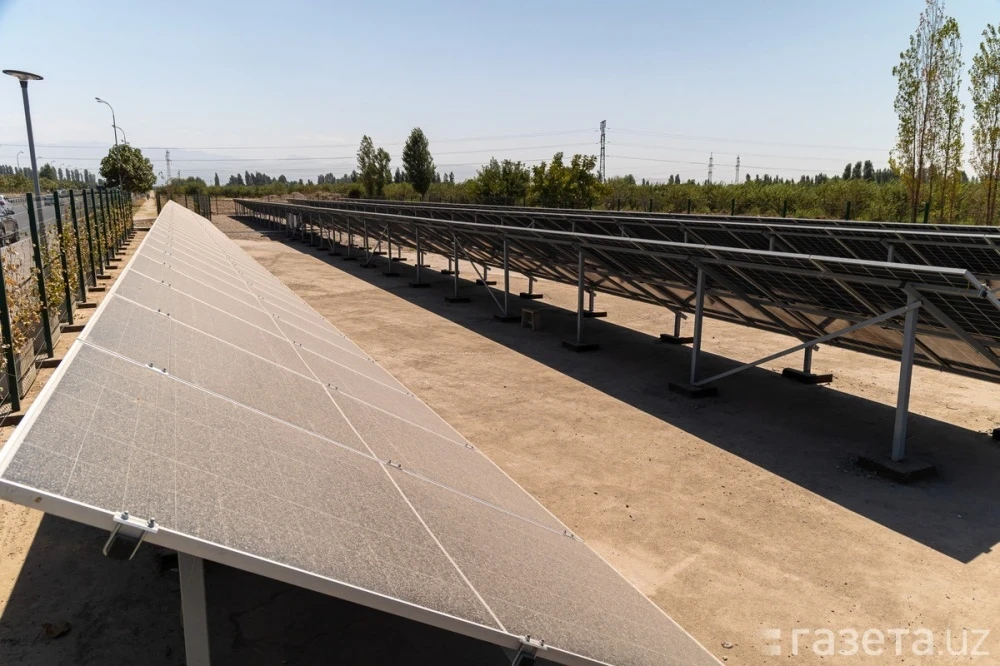
At a meeting on January 23, the president emphasized the need to implement a "social contract" system in "challenging" mahallas. Under this initiative, state support for infrastructure will depend on the activity of local residents. One of the key measures will be the implementation of the "solar reform": around 903 of the most vulnerable mahallas will receive small solar power plants with a capacity of 300 kW from the state free of charge. It is expected that each station will generate an income of up to 500 million sums (approximately 3.5 million dollars) per year for the local community, which can be used for home repairs and landscaping.
Additionally, the president announced significant changes in lending conditions for small businesses. In 2026, banks plan to allocate 140 trillion sums for these purposes. For the 37 most challenging districts, the interest rate on loans for family entrepreneurship will be reduced from 17.5% to 12%. The limits for preferential loans will increase: up to 100 million sums can be obtained for the purchase of pedigree livestock, and up to 150 million sums for opening guest houses or installing refrigeration equipment without collateral. In border areas and enclaves, the credit limit for business projects will be up to 1 billion sums.
The president also highlighted the necessity of personal initiative from local leaders. For those who can increase household incomes by 3–4 times, up to 2 billion sums will be allocated for road repairs and water supply in each mahalla. Support will also be provided to household farms: landowners will receive 50% compensation for seedlings and subsidies for installing trellises, and payments of 160 thousand sums will be provided for the implementation of drip irrigation for each hundredth of a hectare. This year, 2000 hectares of forest land will be transferred to low-income families for the creation of mulberry plantations and the development of sericulture with interest-free loans for equipment. Thus, the Uzbek government aims not just to distribute benefits but to create conditions for self-employment and sustainable economic growth in rural areas.