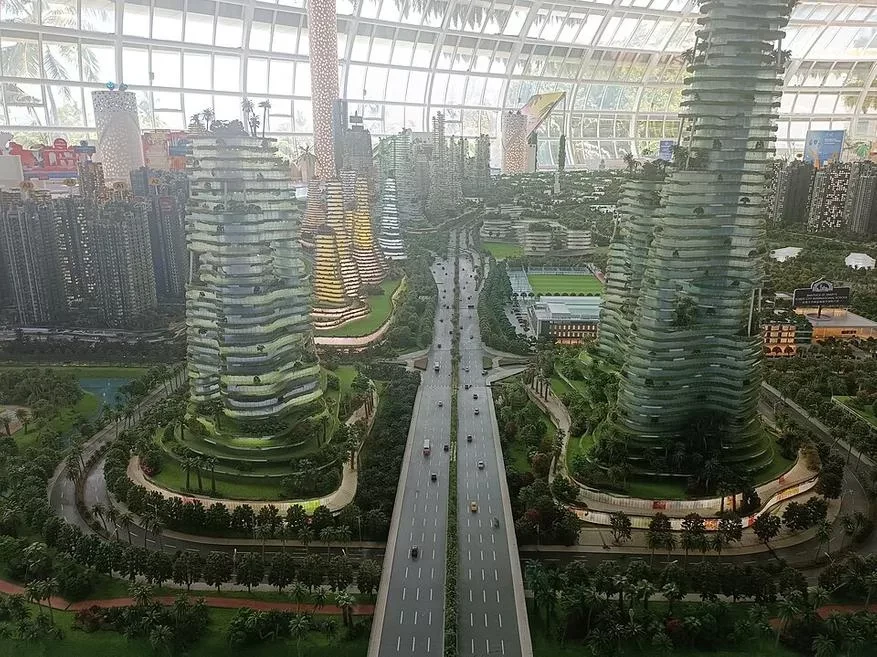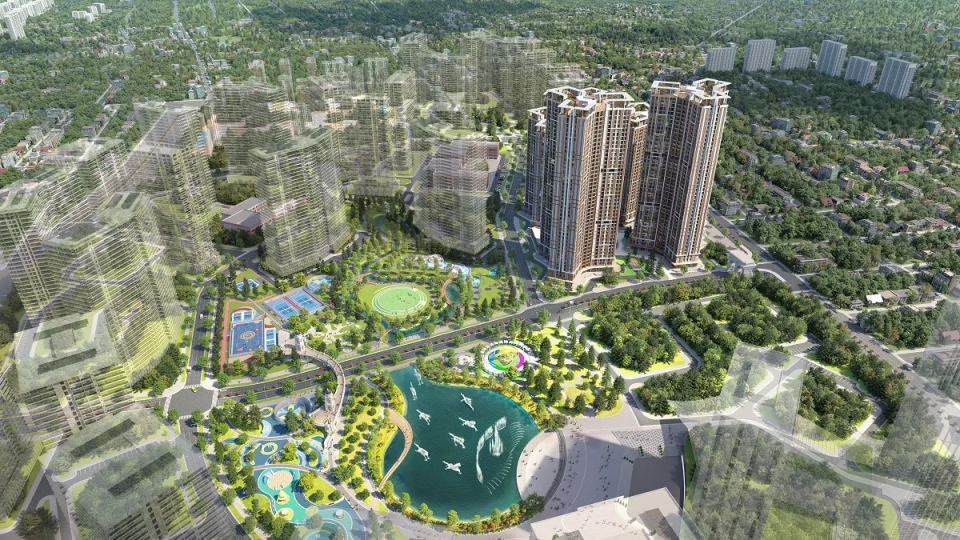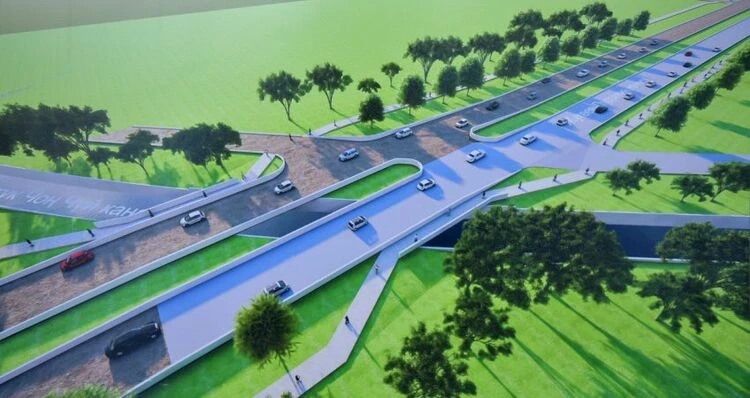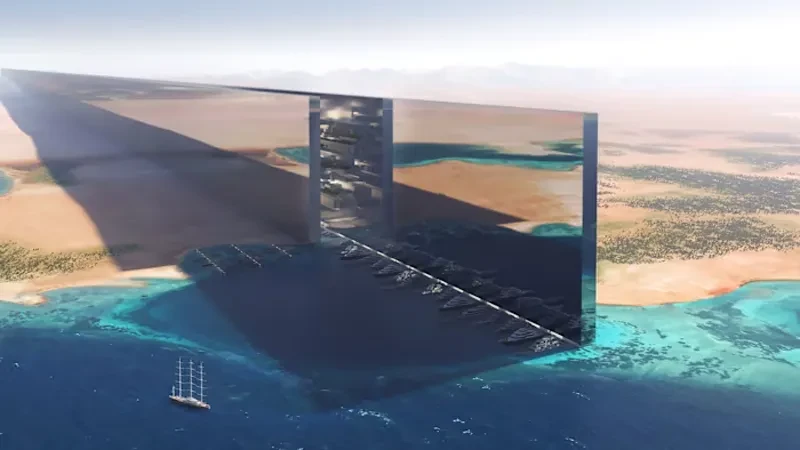
The Neom project, conceived by Crown Prince Mohammed bin Salman around eight years ago, is an ambitious plan to create a futuristic city-state on the shores of the Red Sea in Saudi Arabia. The main feature of this project, which has an area comparable to Belgium, is the “lying skyscraper” The Line, which is up to 170 kilometers long, 500 meters high, and 200 meters wide, intended to accommodate millions of people. However, the implementation of these plans has faced serious challenges.
According to informed sources, after long delays, significant budget overruns, and a lack of expected foreign investments, the authorities of Saudi Arabia have decided to radically revise the strategy for implementing Neom. The aim of this revision is to optimize costs and simplify the project, with new versions expected to be presented by the end of the first quarter of 2026 or shortly thereafter.
In particular, the concept of the “lying skyscraper” will undergo radical changes, and other elements, such as the Trojena ski resort, which was originally planned as a venue for the 2029 Asian Winter Games, will also be revised or scaled down. The fate of the Trojena resort, which has already been excluded from the winter games program, remains uncertain. The main task of the updated Neom project is to focus on more realistic and economically sustainable directions, including the creation of data processing centers and artificial intelligence hubs, utilizing the existing infrastructure.
One of the arguments for using the project for AI and data processing tasks is the availability of large reserves of seawater in close proximity to the complex. The water will be used for cooling data centers; however, this will require desalination and purification, which will entail significant operational costs. At the same time, the region has an abundance of solar energy, which will provide clean power for the data centers.
It was previously reported that the Neom project became the largest consumer of concrete in the world when it came to building the foundation for The Line. Reducing or halting construction could seriously impact the concrete industry, as it was the main global consumer of this resource. This could pose problems for many economies. Although this is not directly within the scope of our publication's interests, the consequences could affect the electronics market, as was the case during the payment crisis just over a decade ago when the construction sector in the U.S. faced difficulties.
But there is also good news. The Neom project could have had a negative impact on the climate in the region, and now the ecosystem, including scorpions, lizards, cormorants, and snakes, will face less threat.