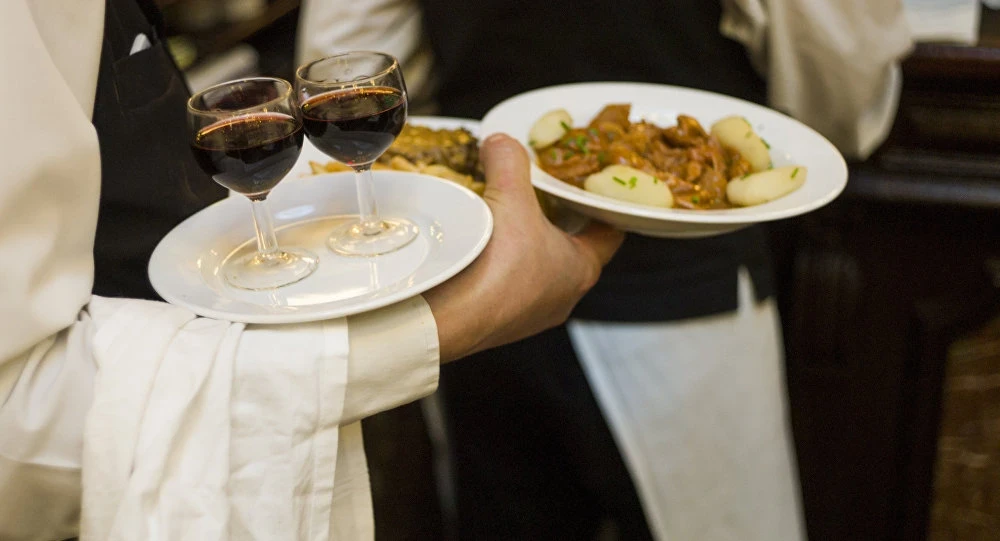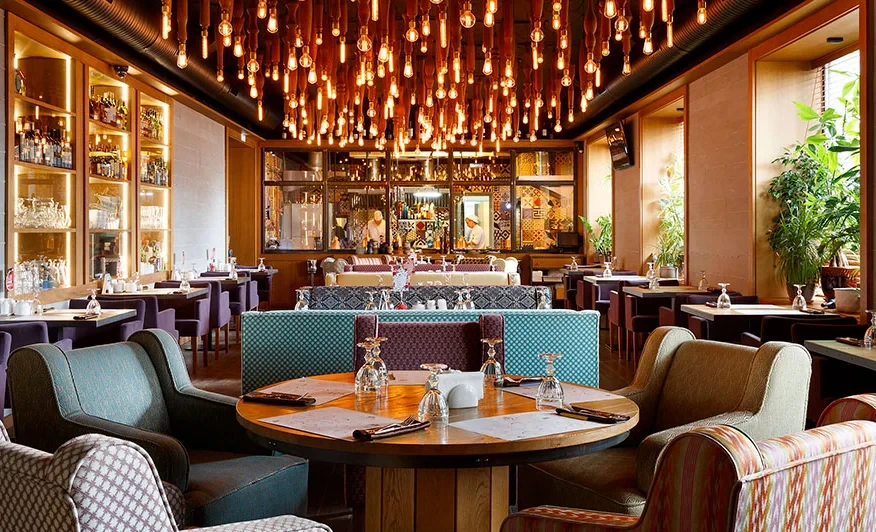
Since the beginning of the year, Kyrgyzstan has canceled the ability to charge for service separately from the cost of dishes. Previously, this amount usually constituted 15% of the total bill and was indicated separately. Now, even after the disappearance of this line, the final amount on the bill has not decreased.
Gulzat Raimbekova, head of the hotel and restaurant association HoReCa, states that without these 15%, many establishments will not be able to survive, so café and restaurant owners are forced to raise prices.
“We proposed to keep these 15%, as expenses remain unchanged and do not disappear anywhere. We were told in the Ministry of Economy that we could include them in the cost of dishes, and that’s what happened,” explains Raimbekova.
The discussion about the service charge has gone beyond the restaurant business and reached parliament, where some deputies expressed dissatisfaction with the Cabinet's decision.
“They created a situation that cannot be reversed now. It’s unclear why intervention was needed,” said deputy Dastan Bekeshev. “Why interfere in cafés when the entire restaurant business is in turmoil? Is it possible to cancel this decision?”
Cabinet representatives explained that the goal was to protect consumer rights, and including the service charge in the cost of dishes contradicts this idea.
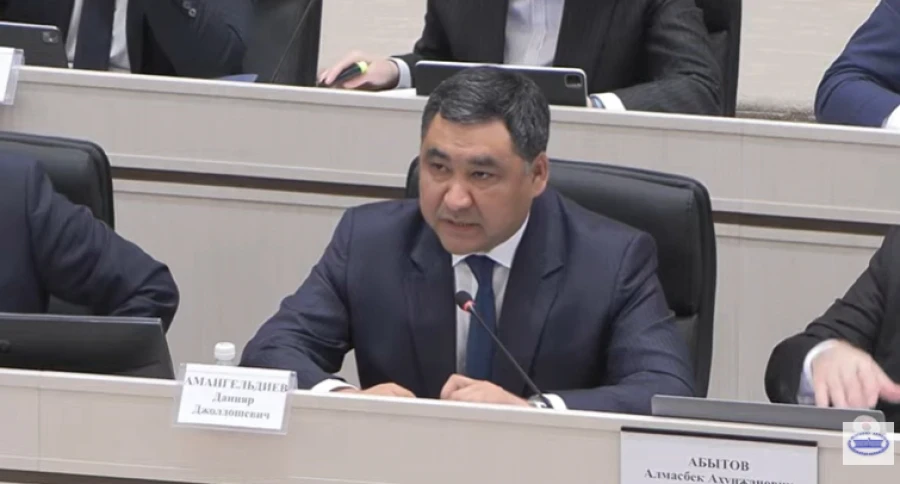
“According to the law, the service charge must be voluntary. Including it in the price violates consumer rights,” commented the First Deputy Prime Minister of Kyrgyzstan Daniyar Amangeldiev.
These words surprised representatives of the restaurant business, who prefer not to comment on the situation in the public sphere. Azattyk Asia's correspondent reached out to a dozen restaurants in Bishkek but received many refusals.
“I don’t want to draw attention to myself because... in such times, I’m afraid. I’m just stating the facts,” noted an administrator of one of the capital's restaurants.
Gulzat Raimbekova, representing over 80 large establishments, is confident that she can speak openly on behalf of her colleagues. According to her, serving customers is not just a service, but a real expense: salaries for waiters, cooks, taxes, rent, and equipment maintenance. If these expenses are not covered, the business will not survive, which could leave 400,000 people unemployed.
“Such a number of people could end up on the streets, and establishments could go bankrupt due to interference in pricing,” she exclaims.
Thus, the question of who benefits from these changes remains open. Consumers are also in an ambiguous situation: on one hand, the line that many considered an imposed service has disappeared, but on the other hand, the cost of dining in a restaurant has not only not decreased but in some cases even increased.