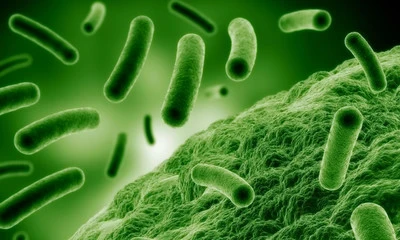
In the laboratory, researchers isolated various strains of bacteria, sequenced their genomes, and tested their resistance to 28 antibiotics belonging to 10 different classes used to treat bacterial infections in humans.
The Psychrobacter SC65A.3 strain, adapted to low temperatures, exhibited resistance to more than 10 modern antibiotics, including rifampicin, vancomycin, ciprofloxacin, trimethoprim, clindamycin, and metronidazole. It contains over 100 genes responsible for resistance and is capable of suppressing the growth of many "superbugs." The genome also contains nearly 600 genes with unknown functions and 11 genes that may slow the growth of bacteria, fungi, and viruses, as well as enzymes that have potential value in biotechnology.
These ancient microorganisms indicate that antibiotic resistance developed naturally long before the advent of modern drugs. Strains capable of surviving in extreme conditions may serve as a source of resistance genes that can be transferred to other bacteria.
The discovery highlights the dual potential of melting ice: on one hand, its thawing could lead to the release of these genes and exacerbate the problem of global antibiotic resistance; on the other hand, bacteria may produce unique enzymes and antimicrobial compounds that could serve as the basis for the development of new drugs and biotechnologies.
Dr. Kristina Purkarea from the Bucharest Institute of Biology noted that studying ancient bacteria is crucial for science and medicine, but it requires strict adherence to safety measures in laboratories to prevent their uncontrolled spread.