The project was implemented by journalists from Kyrgyzstan and Kazakhstan. The idea for the film belongs to Munara Borombaeva from Bishkek and Madina Ashilova from Almaty. The direction was carried out by both authors, while the editing work was done by Anarkhan Altymyshova (Kyrgyzstan) and Kalimash Begalieva (Kazakhstan).
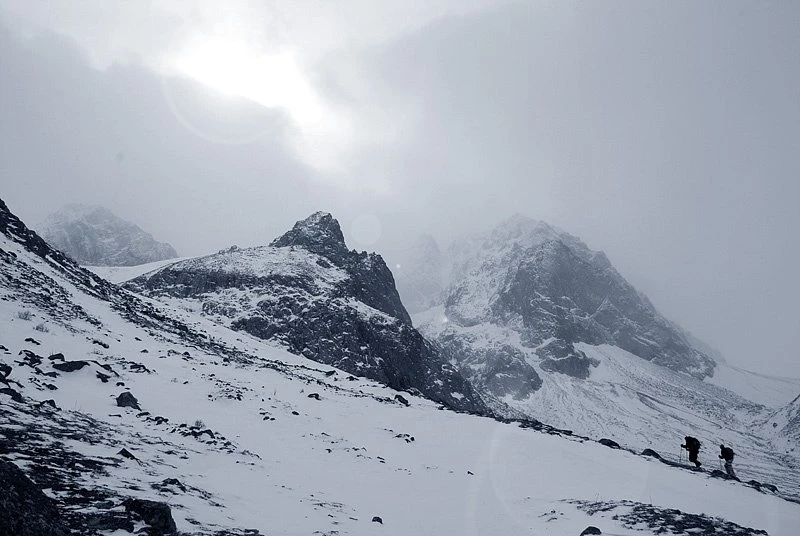
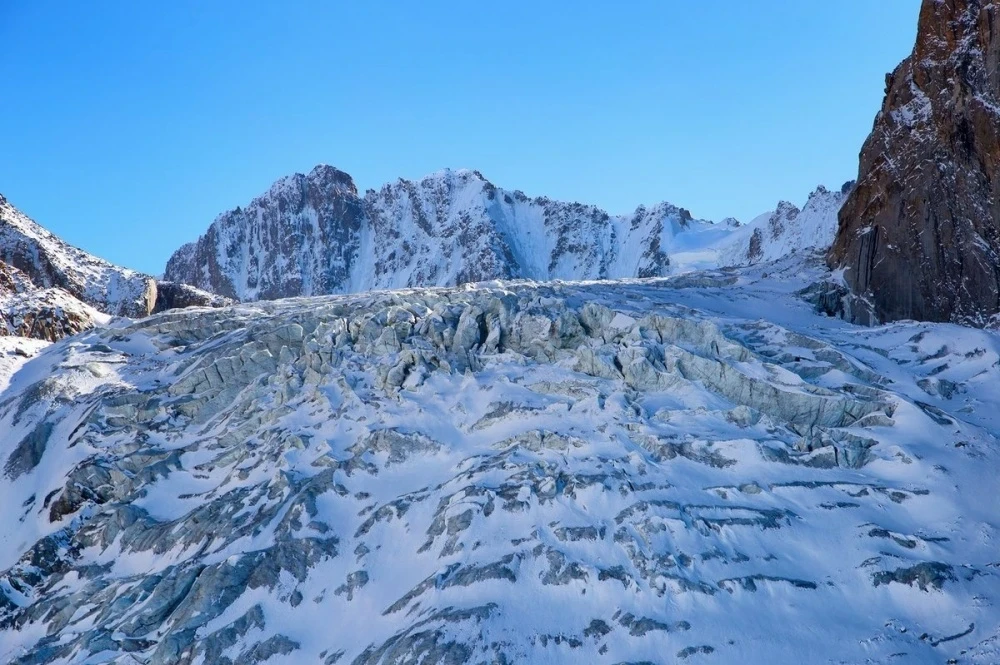
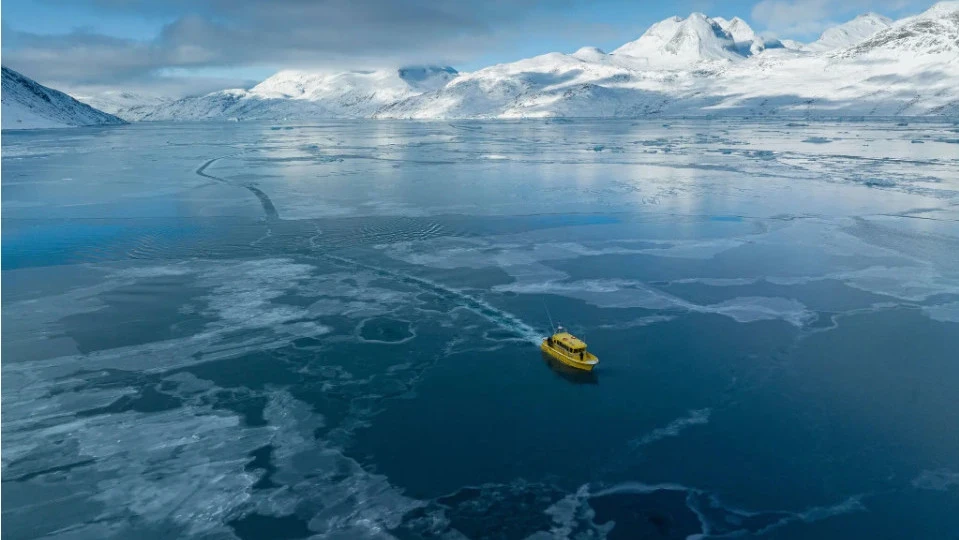
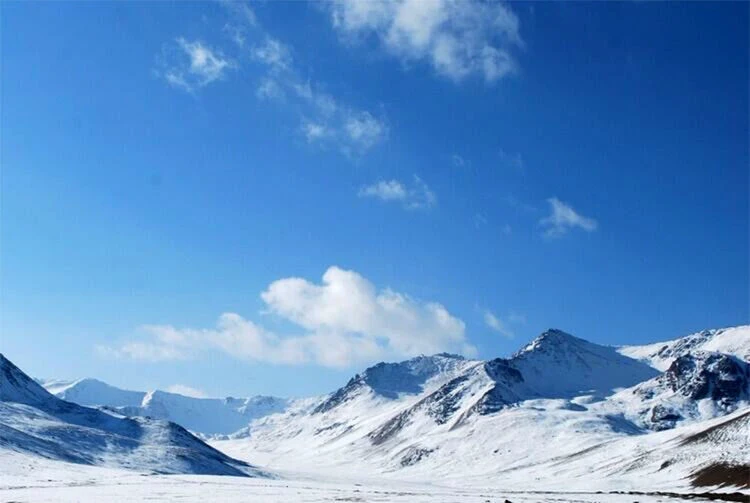
The film addresses pressing environmental issues that concern both countries and represents a comprehensive journalistic investigation into one of the most serious problems in Central Asia — the rapid melting of glaciers and its consequences for the population.
At the heart of the narrative are not only research and statistics but also personal stories:
— the voices of glaciologists who have been observing and documenting the acceleration of glacier melting for decades;
- — the voices of emergency specialists working to minimize the mudflow threat to major cities;
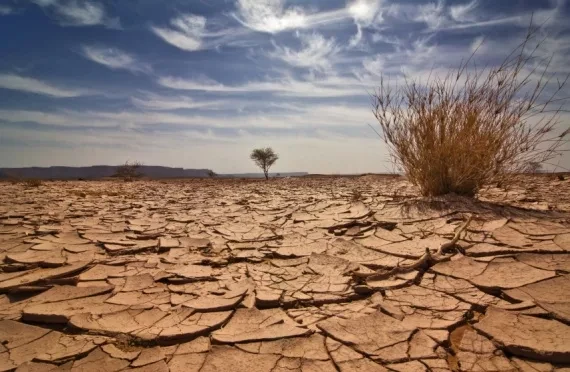
- — the voices of those affected, such as residents of Almaty who experienced the devastating mudflow of 2015, and climate migrants from Kyrgyzstan who lost their homes due to drought;
- — the voices of experts and activists analyzing the causes of what is happening and proposing ways to interact and adapt to changes.
The film illustrates how transboundary environmental issues impact water and food security, social stability, gender equality, and the right to a quality environment.
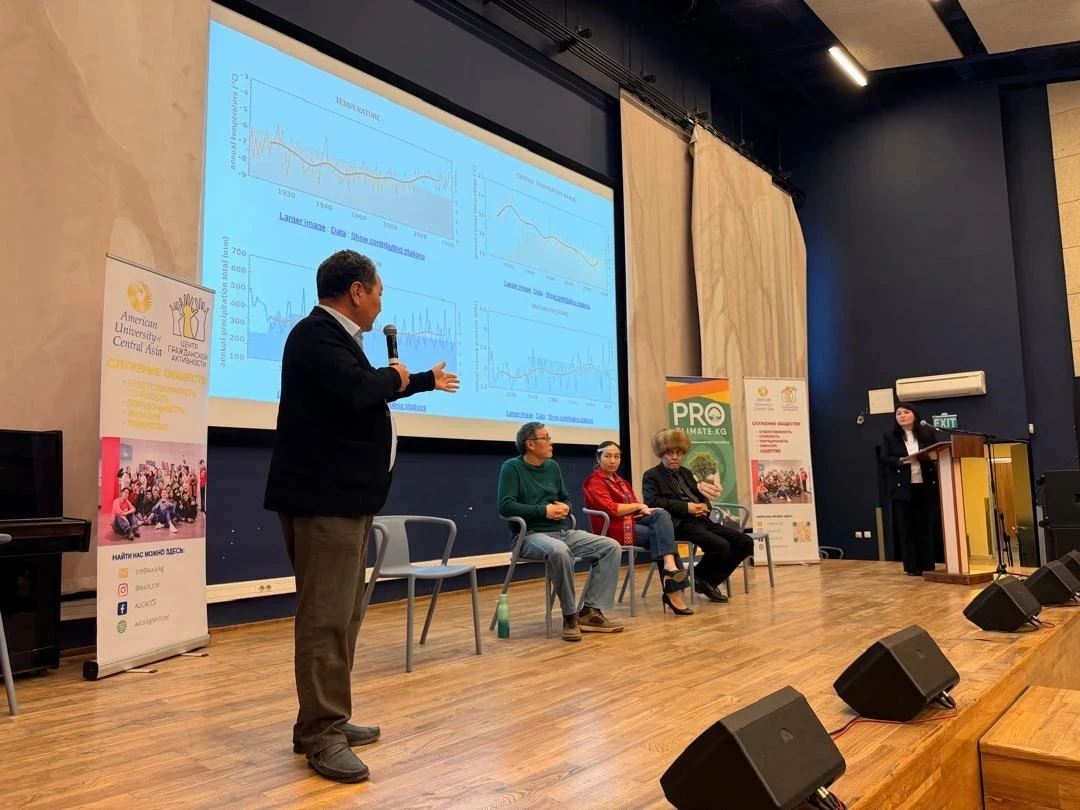
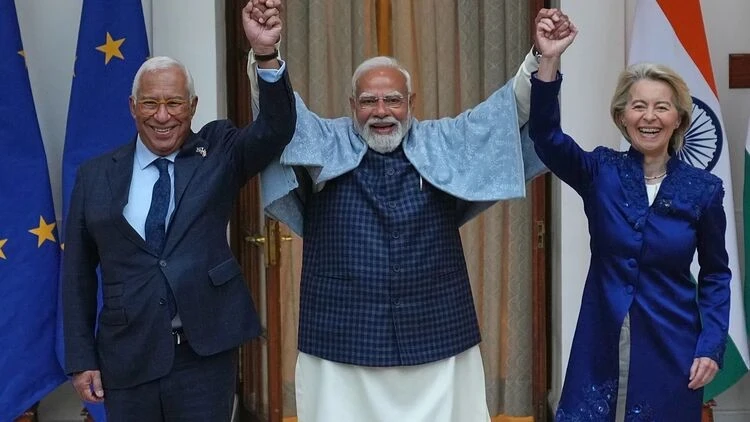
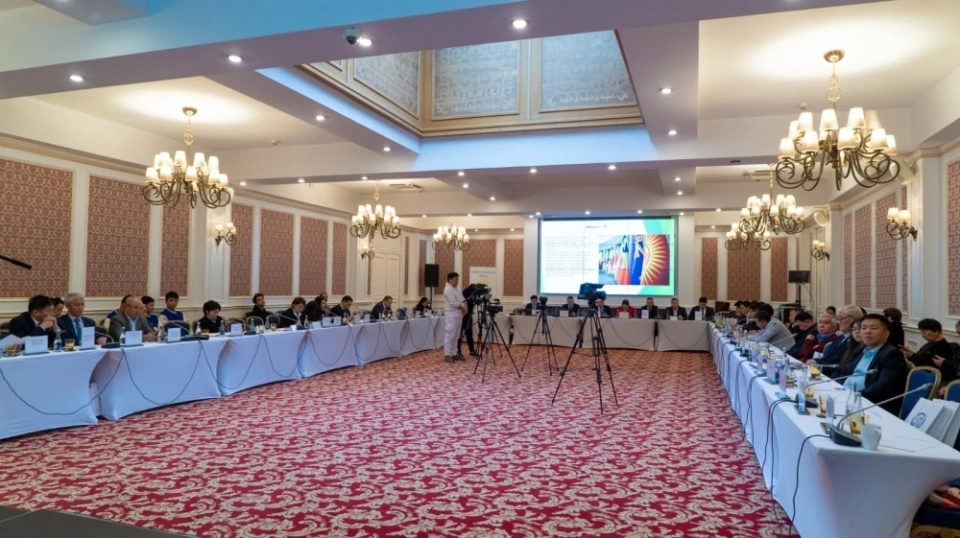
The premiere served as a platform for discussion. The organizers aim to draw the attention of diplomats, international organizations, government structures, and civil society to the climate challenges of the region and the need for joint efforts within the framework of the UN Sustainable Development Goals.
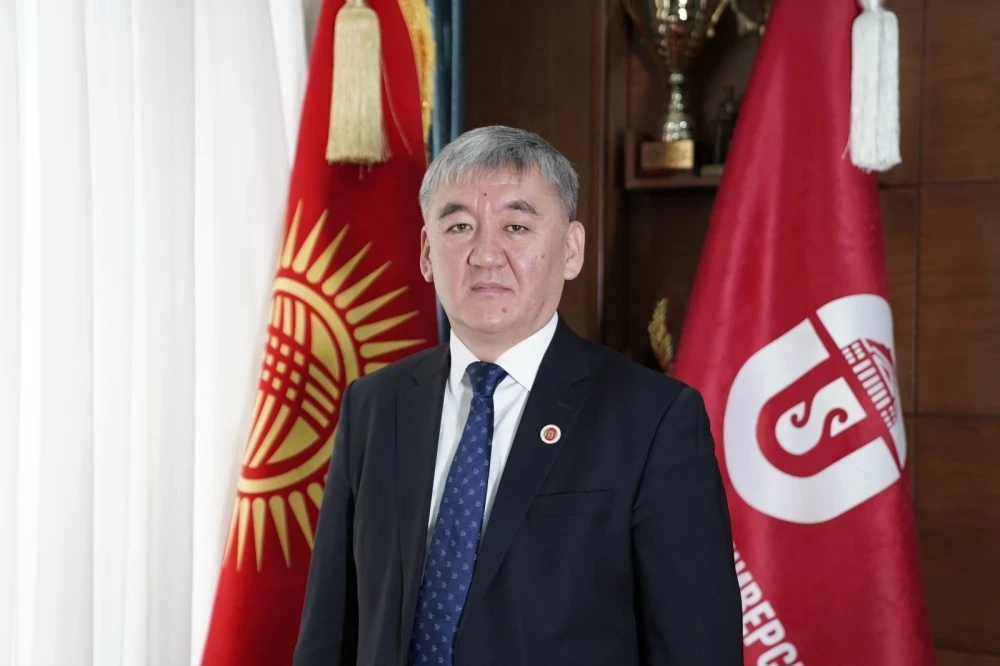
Munara Borombaeva, the film's author, noted: "We wanted to show that glacier melting is not something abstract and distant, but a real threat that the region is facing today. The film illustrates the connection between glacier reduction, emergencies, climate migration, and drought. We discuss not only the problems but also possible solutions and ways to adapt to climate change."