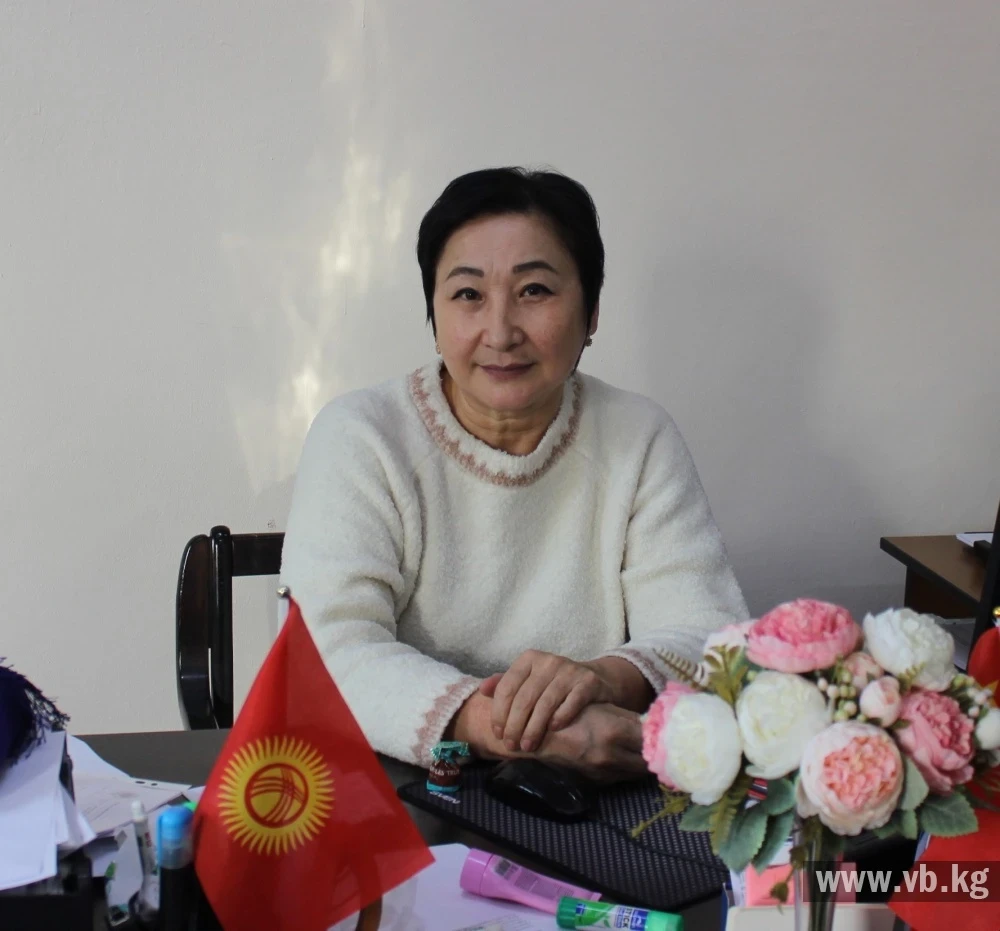
The film was created by Kyrgyz and Kazakh journalists Munara Borombaeva and Madina Ashilova.
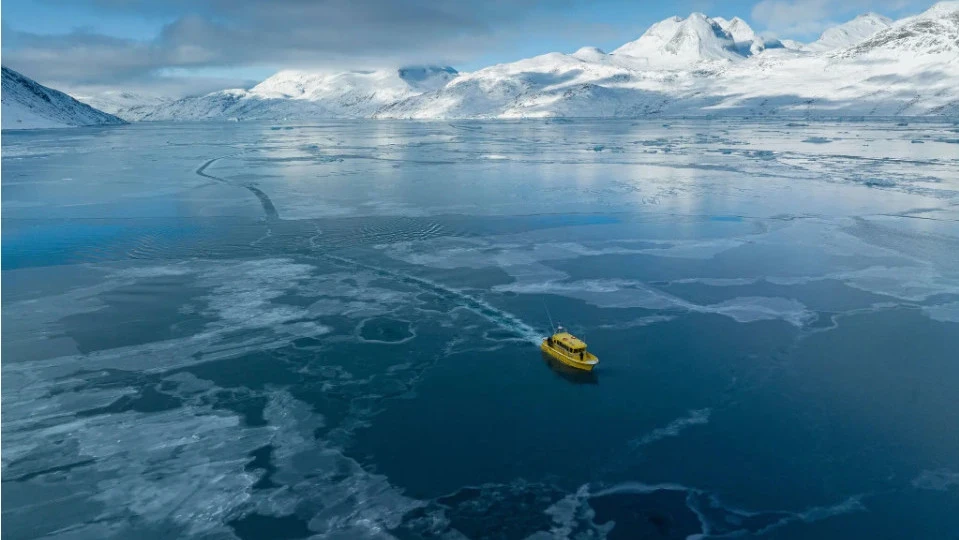
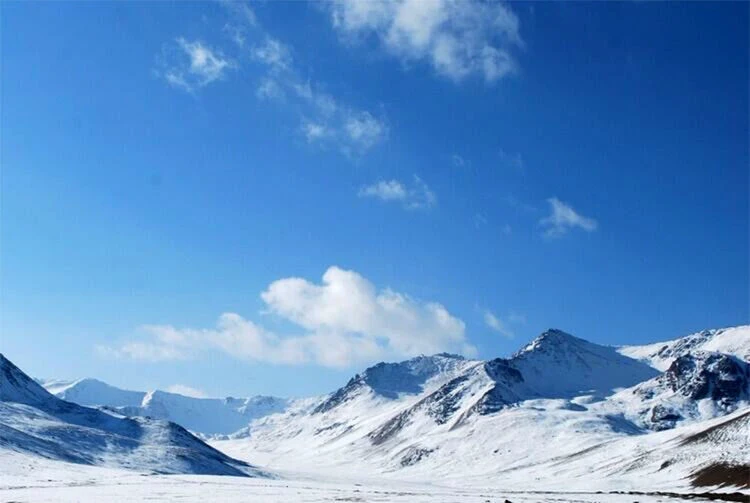
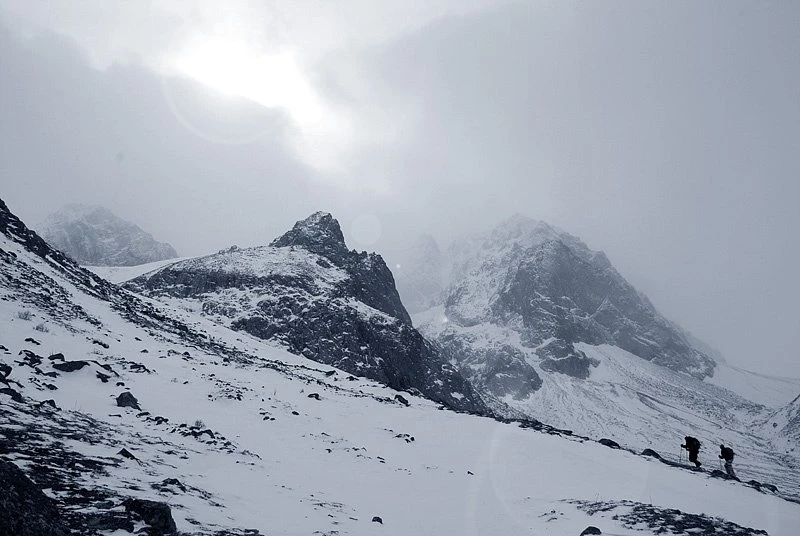
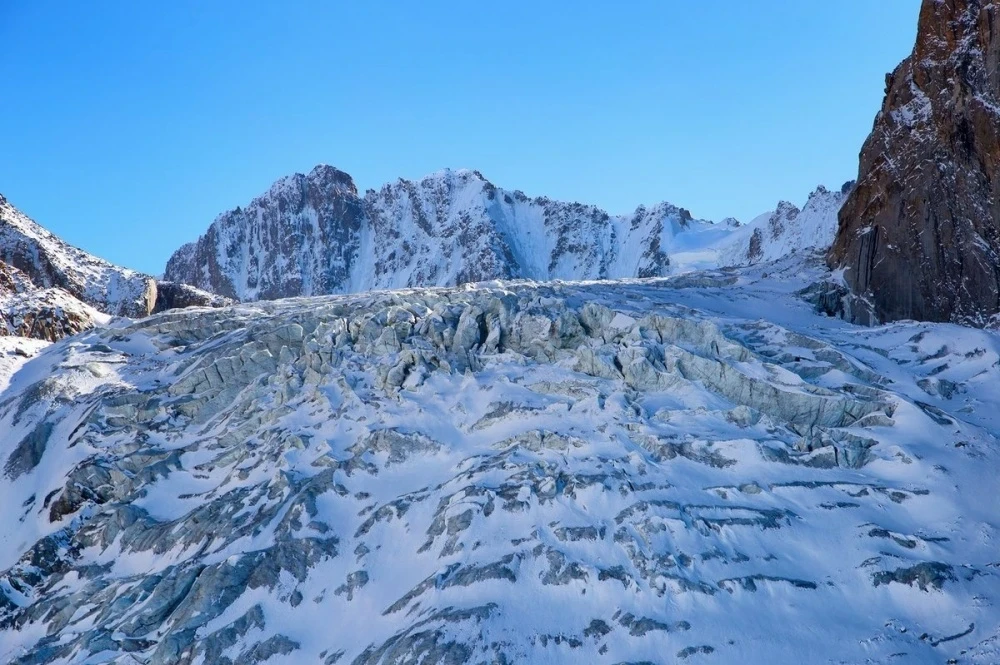
The authors noted that it is based on journalistic research into one of the most significant problems in Central Asia — the rapid melting of glaciers and its consequences for millions of residents in the region.
A key aspect of the film is not only scientific facts but also personal stories:
• Scientific data — opinions from glaciologists who have been observing glacier melting for a long time;
• Voices of defenders — emergency response workers who fight daily against the risk of mudflows for major cities;
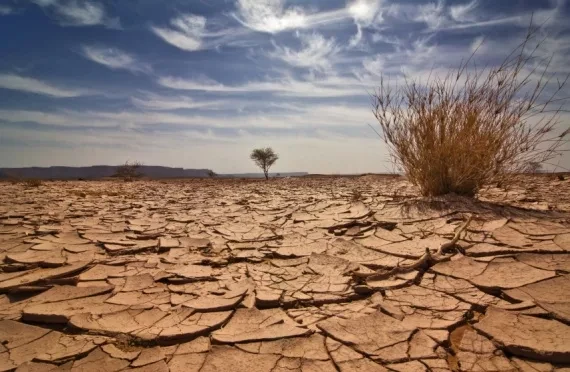
• Testimonies of victims — residents of Almaty who experienced the devastating mudflow of 2015, as well as climate migrants from Kyrgyzstan who were forced to leave their homes due to drought;
• Opinions of experts and activists — leading ecologists from Kazakhstan and Kyrgyzstan analyze the causes of what is happening, debunk myths, and propose ways for adaptation and cooperation in the region.
The film illustrates how a transboundary environmental issue affects water and food security, social stability, gender equality, and the right to a favorable environment.
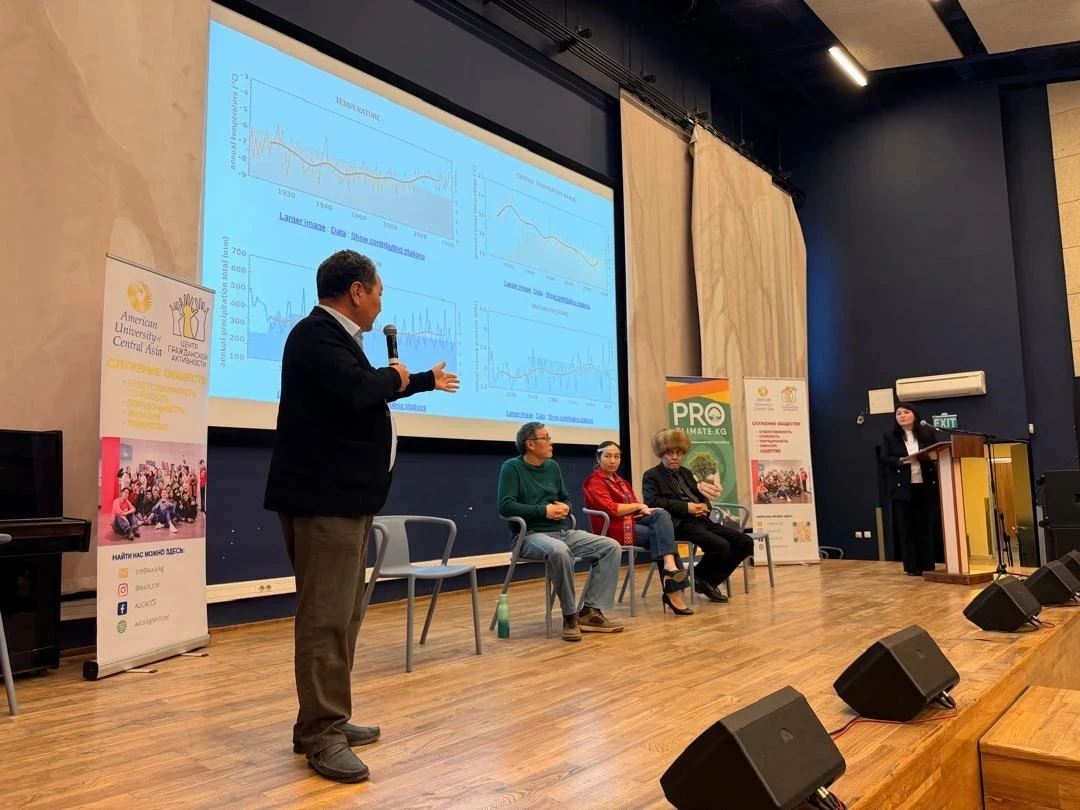
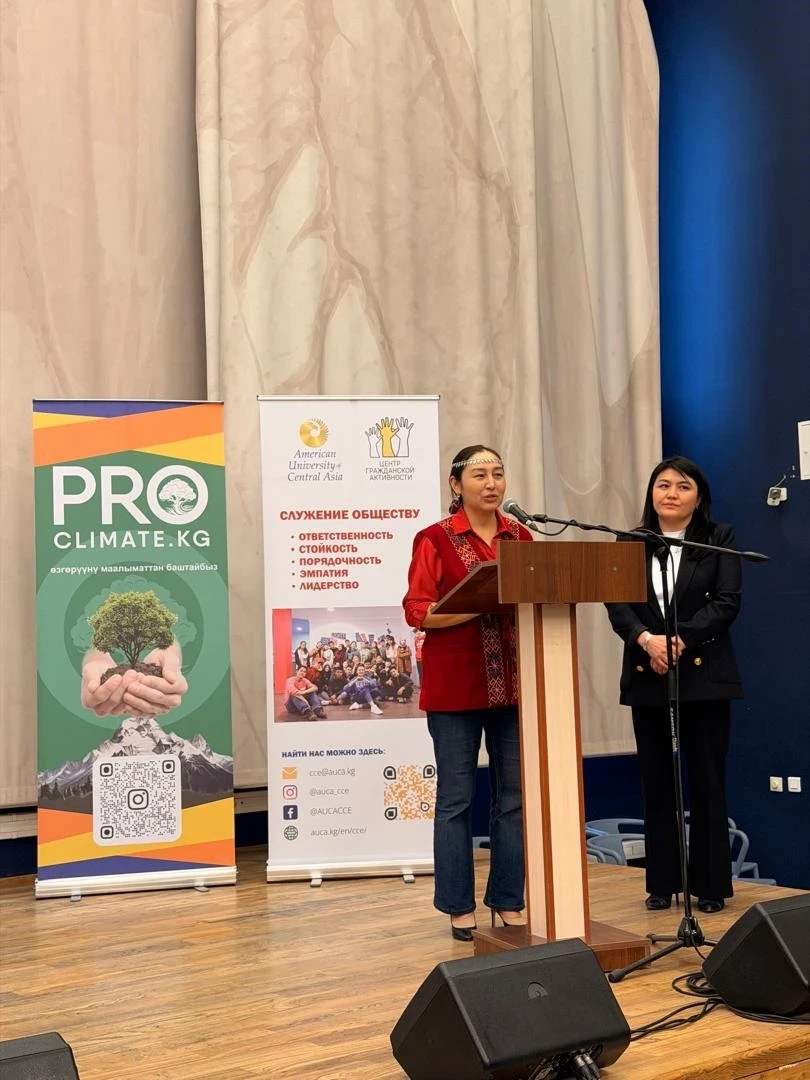
The premiere not only became a cultural event but also a platform for discussion. The organizers hope to draw the attention of representatives from the diplomatic corps, international organizations, government structures, and civil society to the climate challenges in the region and the need for collective efforts within the framework of the UN Sustainable Development Goals.
Munara Borombaeva, the film's author, emphasized:
“We aimed to show that glacier melting is not a hypothetical threat of the future, but a reality that the region is facing right now. The film demonstrates the connection between the reduction of glaciers, emergencies, climate migration, and drought. We discuss not only the problems but also possible solutions and mechanisms for adapting to climate change.”
The documentary was filmed in 2025 with the support of the European Union as part of the project "Enhancing Audience Resilience through Authentic Stories" (CARAVAN), implemented by Internews.