She noted that the Department of Education is working on a reserve of personnel for teachers and leaders; however, she expressed the opinion that not all candidates who passed testing in the civil service system are capable of managing educational institutions effectively and for a long time. Kuznetsova suggested that the Department of Education take responsibility for training school and kindergarten directors.
The deputy also inquired about the current number of vacancies in Bishkek and the department's interaction with pedagogical universities. She asked about the possibility of concluding targeted contracts with universities so that graduates would return to work in city schools.
According to a representative of the Department of Education of the Bishkek City Hall, there are currently 433 vacancies for teachers and 190 positions in children's educational institutions open in the capital. Since the beginning of the academic year, the department has signed memorandums with five higher educational institutions: KNU, BGU, the Arabayev Institute, the Ermatov Music and Pedagogical Institute, and the Academy of Physical Culture, resulting in 384 students combining study and work.
According to the department's data, there are currently 11 vacancies for school directors and 12 for kindergartens. Applications have already been submitted to the Ministry of Education, and materials for the competition are currently being prepared.
The representative of the Department of Education also confirmed the need to create a reserve of managerial personnel. She reported that the Ministry of Education is developing changes to the relevant documents and that the department proposed creating a reserve so that vacancies would not remain unfilled after directors resign. Additionally, a third stage of the competition was proposed—an interview where candidates could present their development programs for educational institutions.
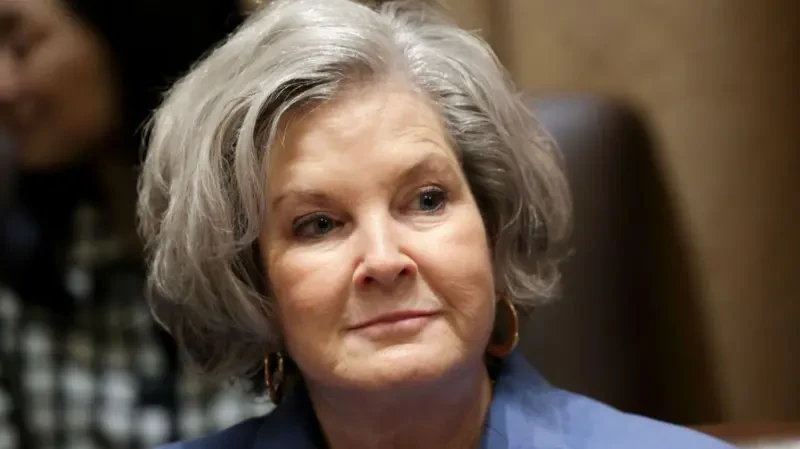
Tatiana Kuznetsova characterized the provided data as "not only negative but also regrettable." She noted that parents often complain about the absence of certain subjects being taught. The deputy also pointed out the illegitimacy of the practice where a physics teacher conducts math or geometry lessons. In her opinion, the introduction of STEM subjects has not solved the problem of staff shortages.
Kuznetsova asked about the program for providing teachers with computers, which the Ministry of Education announced. The department representative confirmed that all teachers, including newcomers, received laptops. However, when asked about the functionality and software of these devices, the representative was unable to respond, promising to provide information later.
The deputy suggested developing a system for preparing a reserve of managerial personnel based on the Department of Education. She is confident that among the staff of schools and kindergartens, there are competent specialists who are interested in the fate of their institutions. Kuznetsova proposed conducting surveys and testing to form an internal reserve, as well as organizing targeted training for potential leaders with the help of the department's methodological department.
Additionally, the deputy suggested involving experienced former directors in the training of new personnel. According to her, their experience in organizing work with the parent community and creating effective teams remains untapped. Kuznetsova also noted that pedagogical teams are disintegrating and proposed creating a "club" based at the department for training future leaders, where experienced specialists could share their knowledge with new staff.
The deputy also emphasized that alongside 120 municipal schools in Bishkek, there are about 126 private educational institutions operating. She suggested that the department not only approve the curricula of private schools but also involve their teachers in professional development programs, as well as consider the possibility of attracting educators from the private sector to work in municipal schools.